
18 March 2026 - 5 days for £4,995 per person
March 2027 - Register for 2027 and we will contact when confirmed details including dates and prices are available.
Discover a place of awe-inspiring natural beauty where scientists from all over the world come to study climate change and conduct research in an Arctic environment. From striking alpine forests to picturesque snowcapped mountains, travelling to northern Sweden during the winter months offers a truly magical experience.
Unearth the wonders of science, technology, and astronomy on this Arctic adventure timed perfectly for the March new moon, offering some of the best northern lights viewing conditions of the year.
Explore the wonders of science and astronomy in the Arctic as you journey through Abisko National Park, a pristine environment protected for over a century and a magnet for scientific research. At the renowned Aurora Sky Station, one of the world’s premier locations for viewing the northern lights, local experts will reveal the physics behind this breathtaking phenomenon. Continue to the Icehotel, a marvel of sustainable design and engineering, rebuilt each year from ice harvested from the frozen Torne River—a striking example of architecture shaped by nature. Then delve deep into the Kiruna Mine, the largest underground iron ore mine on Earth, where you’ll encounter cutting-edge technology—from autonomous loaders to remote-controlled drills—and explore how science and innovation are transforming both industry and the Arctic landscape.
Throughout the journey, you’ll be joined by Jamie Carter, a leading science and travel writer with 25 years of experience bringing astronomy to life. Author of A Stargazing Program for Beginners and contributor to BBC Sky at Night, Forbes, and SPACE.com, Jamie will guide you through the skies with talks, stargazing tips, and cosmic insights.
This tour is perfect for those with a particular interest in astronomy and nature, or for anyone wanting a truly remote escape.
In partnership with Intrepid Travel.
MAP
DAY 1: KIRUNA ARRIVAL
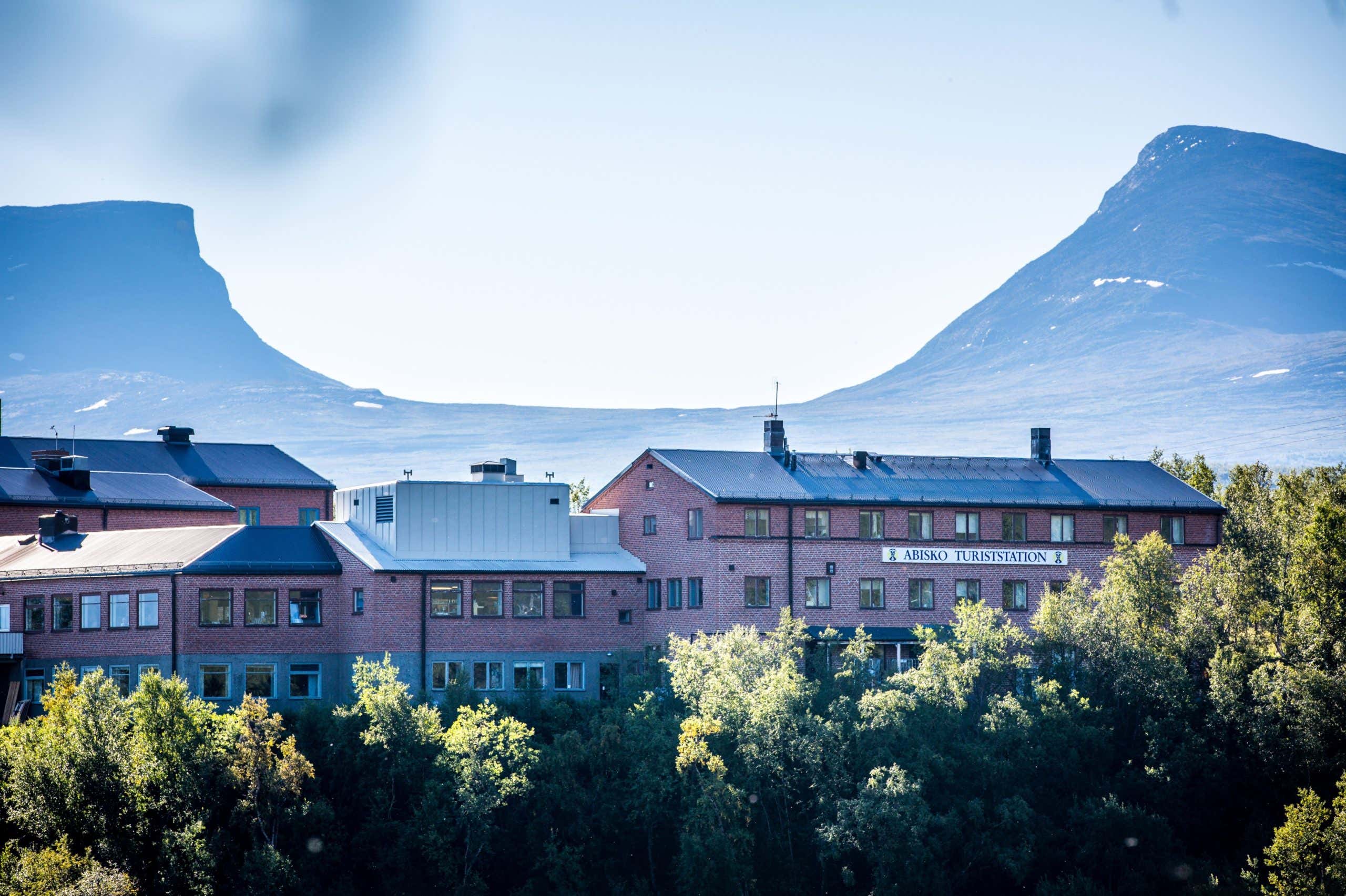
Welcome to Kiruna! On arrival at Kiruna Airport, you will be met and transferred to the STF Abisko Turistation, in Abisko National Park, which takes around 90 minutes. There will be time for you to settle into your accommodation before this evening’s welcome meeting and activities.
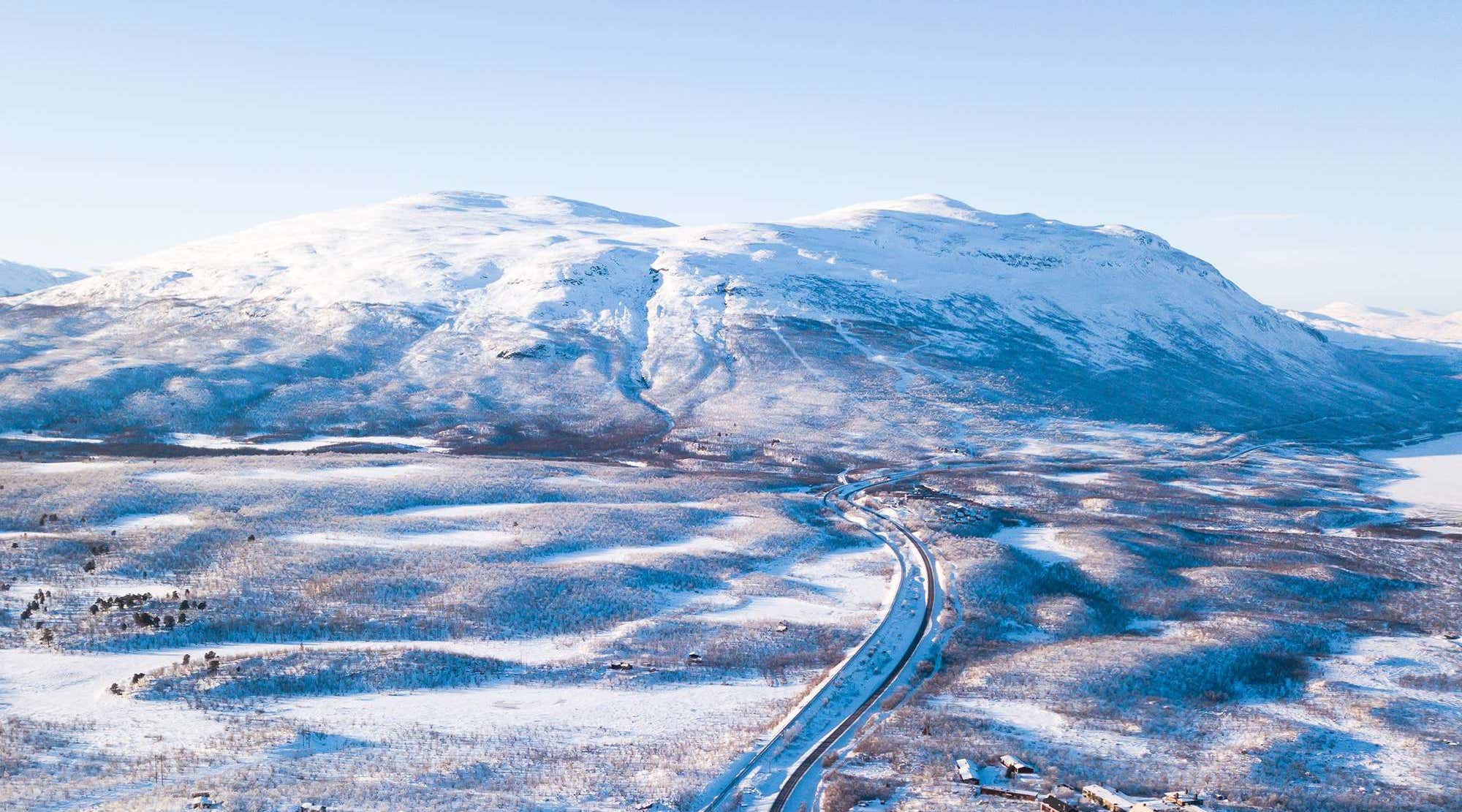
Situated 200 kilometres north of the Arctic circle on the shores of Lake Torneträsk, Abisko National Park was established in 1909 by a group of Swedish scientists who wanted to preserve the area in its original condition for research. The region has continued to be of key scientific interest and is home to the Abisko Scientific Research Station. The station is primarily used for biological, climate, ecological, environmental and geological research and contains on-site laboratories as well as smaller off-site field research facilities.
In the evening, there will be a welcome meeting with the group and your tour leader before dinner at the hotel.
DAY 2: SNOWSHOEING IN ABISKO NATIONAL PARK AND EVENING VISIT TO THE STF ABISKO TURISTATION
Today begins with the expert lecture from Jamie.
In the afternoon, strap on snowshoes and set off into the peaceful wilderness around Abisko National Park, as the experienced guide helps you track the footprints and signs of local wildlife. Along the way, you will learn to recognise animal trails and hear stories about surviving and thriving in the Arctic environment.
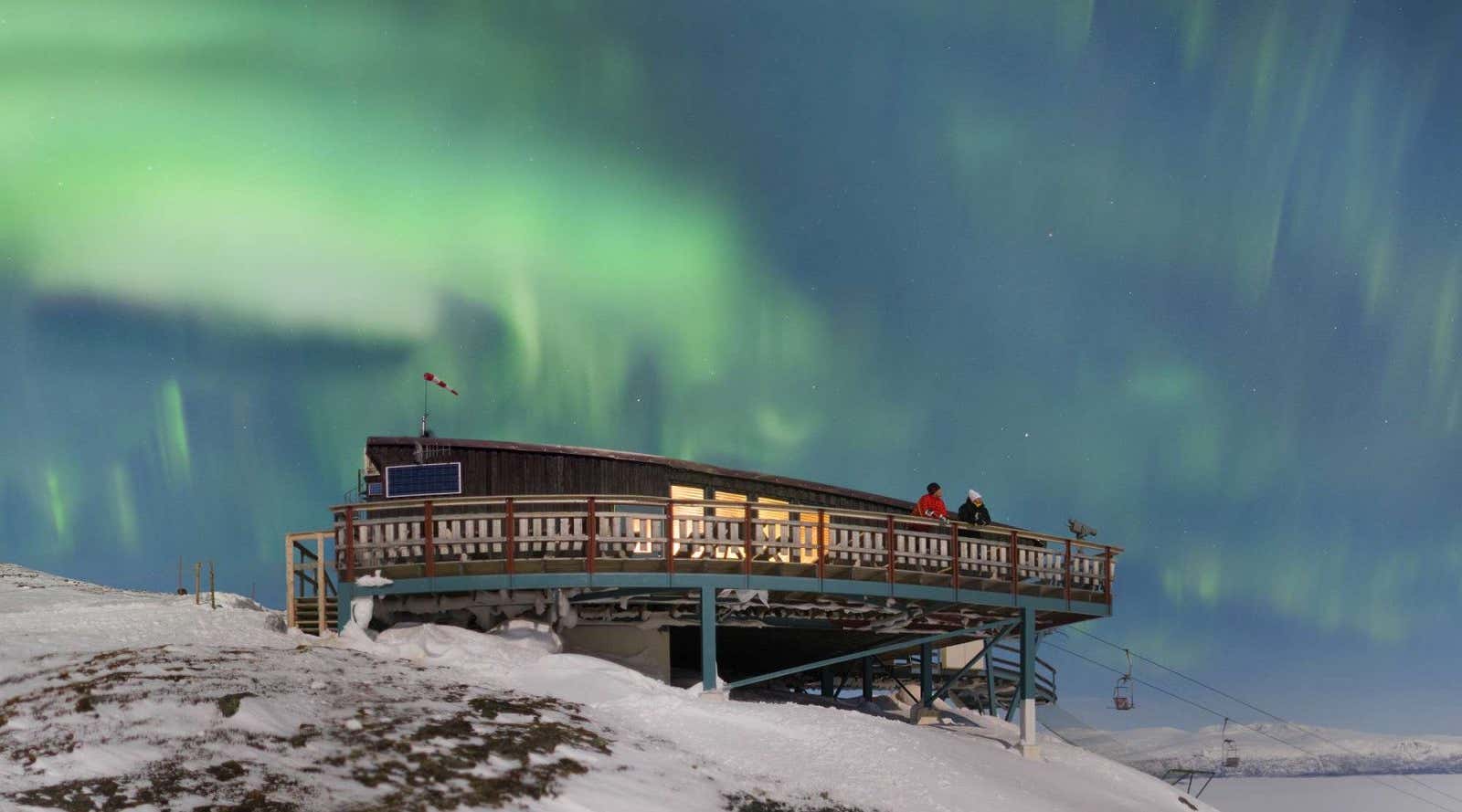
After dinner, take a short walk to the base of the nearby mountain, where you’ll be kitted out in warm clothing before a 20-minute ride on a chairlift to the Aurora Sky Station.
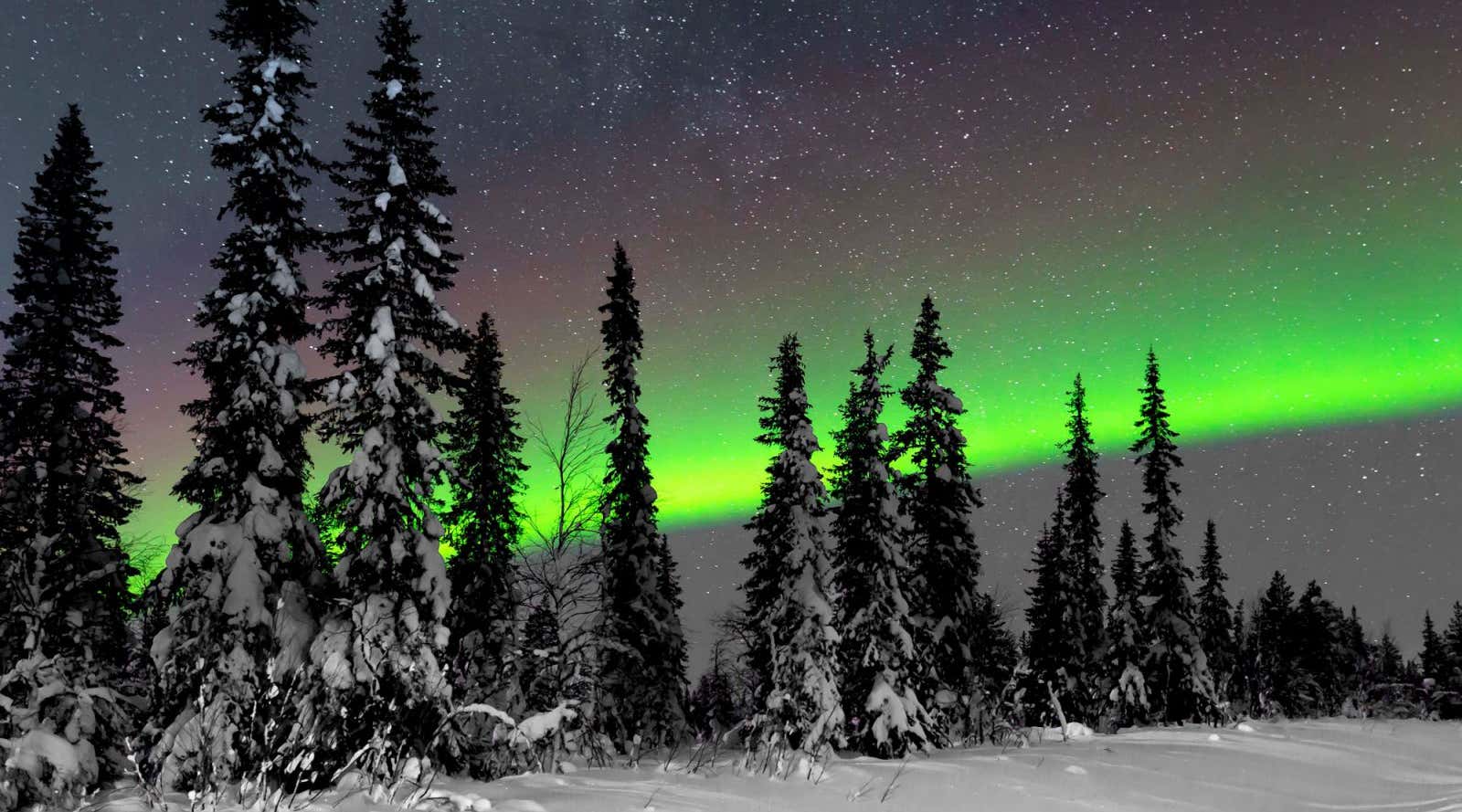
This world-famous spot is undoubtedly one of the best places in the world to see the northern lights. It lies 900 metres above sea level on Mount Nuolja, right at the centre of what is known as the "aurora oval", in an area with very few distracting sources of light or sound. During the winter months, with no light pollution and frequent cloudless skies, there is nothing to hinder auroral displays, and the peace and quiet of this area is the ideal atmosphere from which to look out for the northern lights.
Once at the station, you will learn more about the northern lights from Jamie and hopefully spend time enjoying this amazing natural phenomenon before returning to your hotel.
DAY 3: TRAVEL TO THE ICEHOTEL AND AFTERNOON VISIT TO A LOCAL REINDEER FARM
After breakfast, you will be transferred by road to the Icehotel, a journey of around 90 minutes through Sweden’s beautiful snowy wilderness.
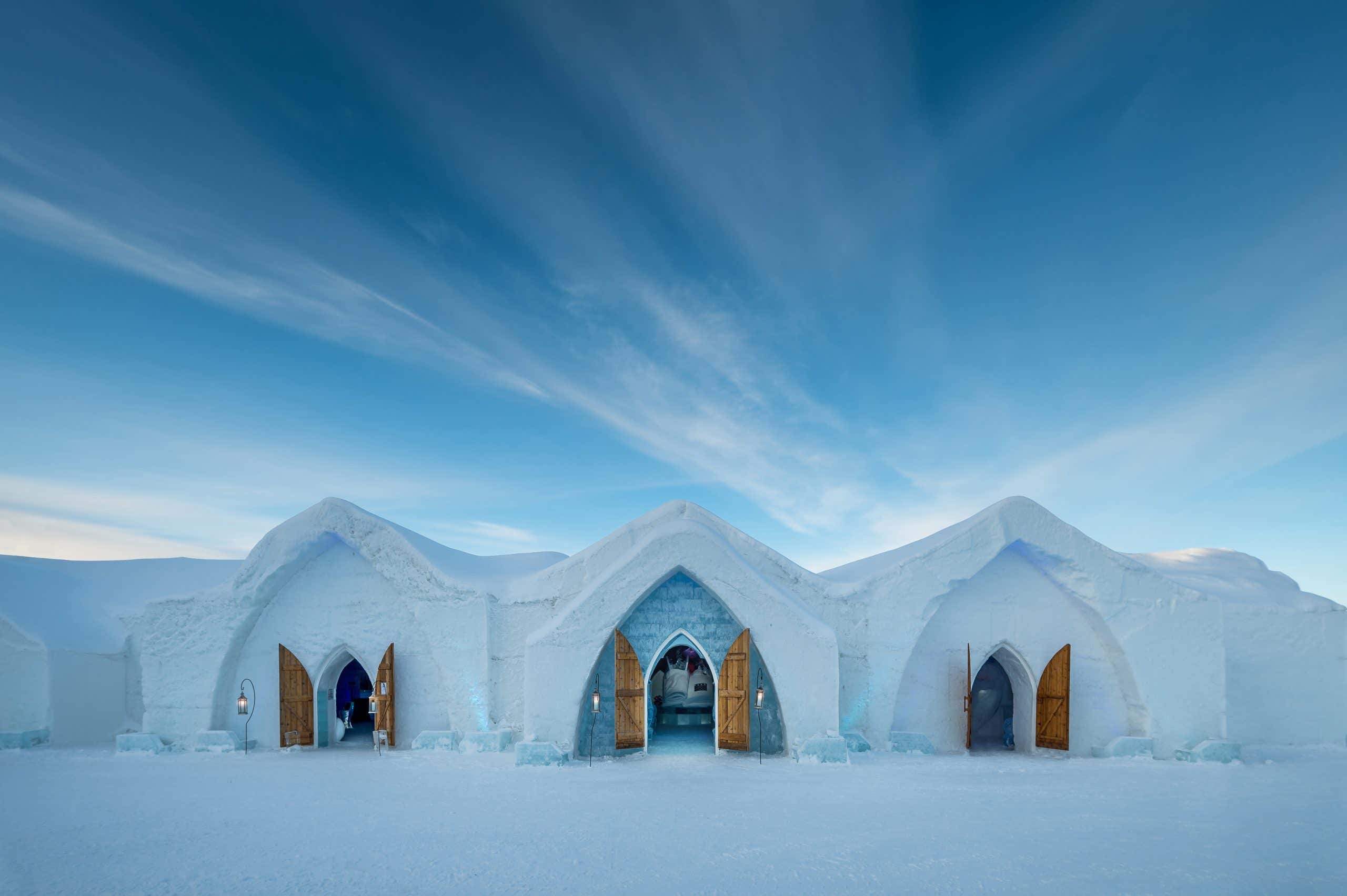
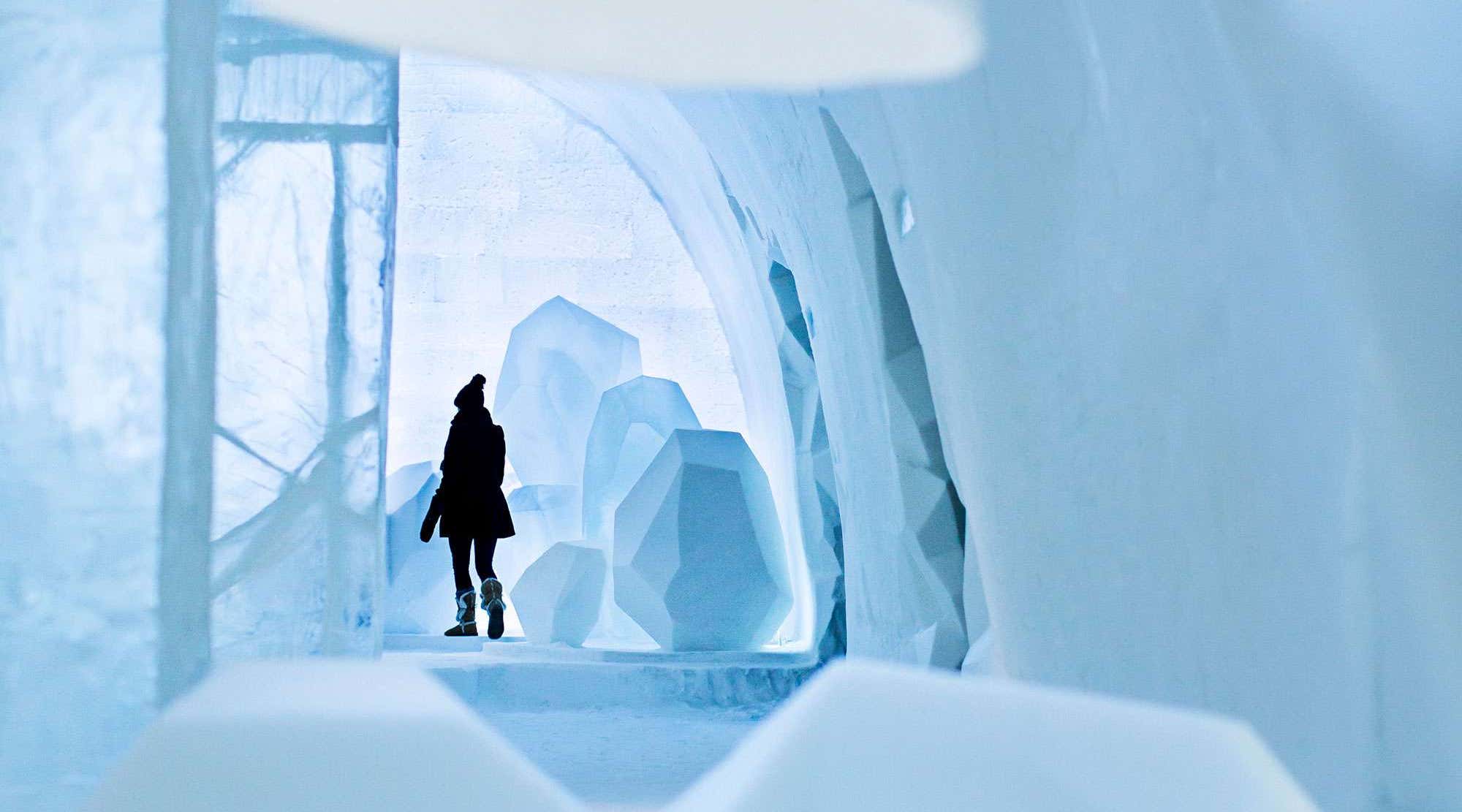
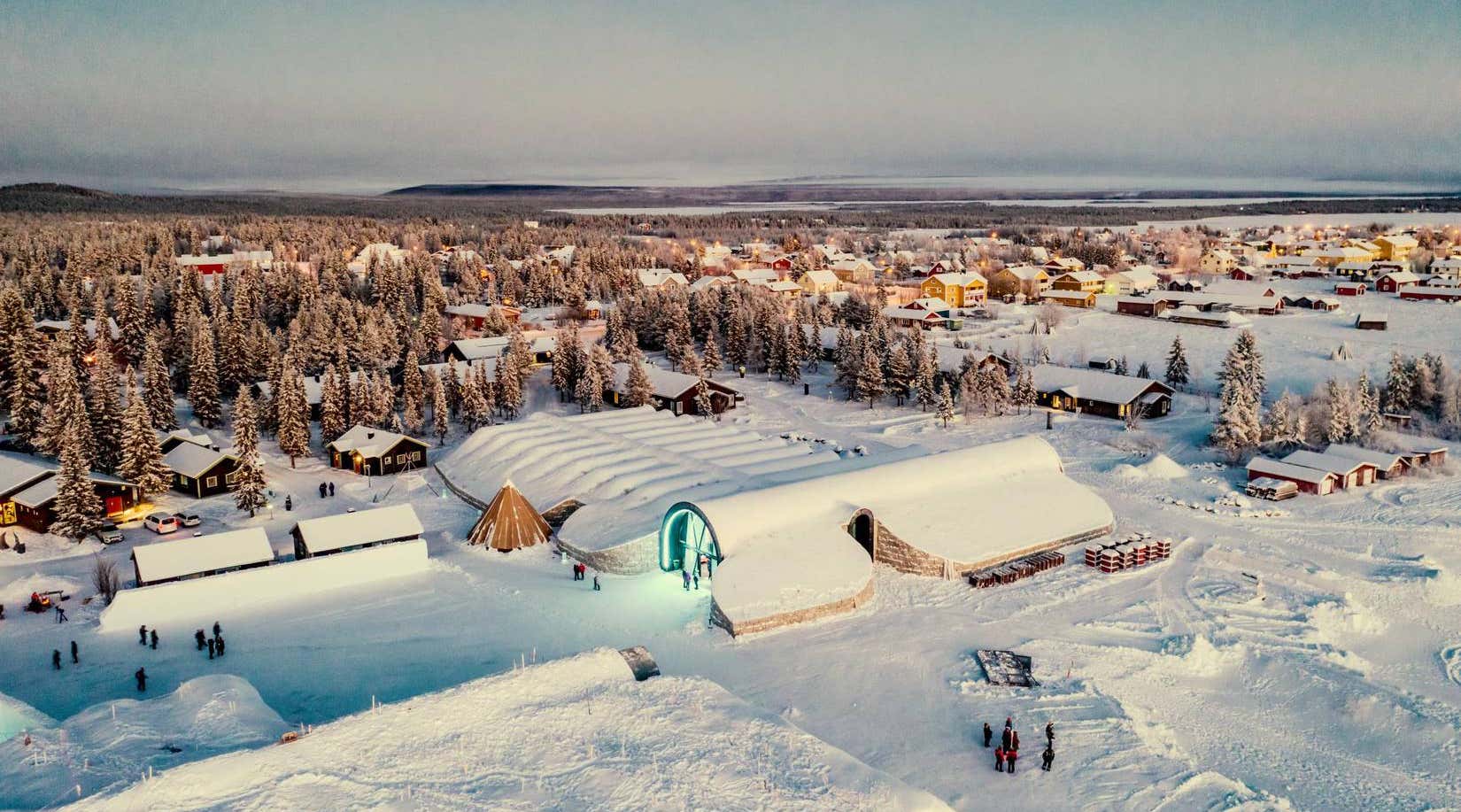
The first and original Icehotel was built in Jukkasjarvi, Swedish Lapland in 1989 and took just two weeks to complete. It was made out of ice, snow and "snice" – which combines snow, water and air. This was made using snow cannons and has a higher density than snow itself, making it stronger and perfect for building purposes. Small ice crystals in the snice trap air between them. It is as white as snow and a good insulator because of the trapped air. Kept at a constant -5°C to -8°C (23°F to 18°F), the interior actually feels quite pleasant, especially when outside temperatures can drop to around -37°C (-35°F)!
Enjoy a private tour of the Icehotel.
In the afternoon, after a short transfer you will visit Nutti Sámi Siida where you will step into the rich culture of the indigenous Sámi people. Meet and feed the friendly reindeer, learn about their significance in Sámi life, and try your hand at reindeer sledding, gliding around a 200 metre track in a wooden sled pulled by one of these gentle animals. Afterwards, warm up around the fire in a traditional Sámi tent (lavvu), enjoy freshly brewed coffee, and taste a hearty reindeer herder’s lunch, while hearing stories of a lifestyle deeply connected to nature and the Arctic landscape. Warm winter overall, warm shoes, gloves, and balaclava is included in your visit.
Return to the Icehotel where you will spend both nights sleeping in one of their warm rooms.
DAY 4: EXPLORE KIRUNA
This morning descend deep underground into the Kiruna mine (LKAB Visitor Centre) one of the world’s largest iron ore mines. Traveling by bus directly from the Tourist Centre into the mountain, you will arrive at the expansive visitor centre located 540 meters below the surface. Here, in a fully immersive environment, exhibitions, films, and heavy machinery showcase the story of over a century of mining. Learn how this industry shaped Kiruna and continues to define its future, including the massive urban relocation project currently underway. Your guide will also explain how modern mining technologies allow operations to reach depths of up to 1,365 meters.
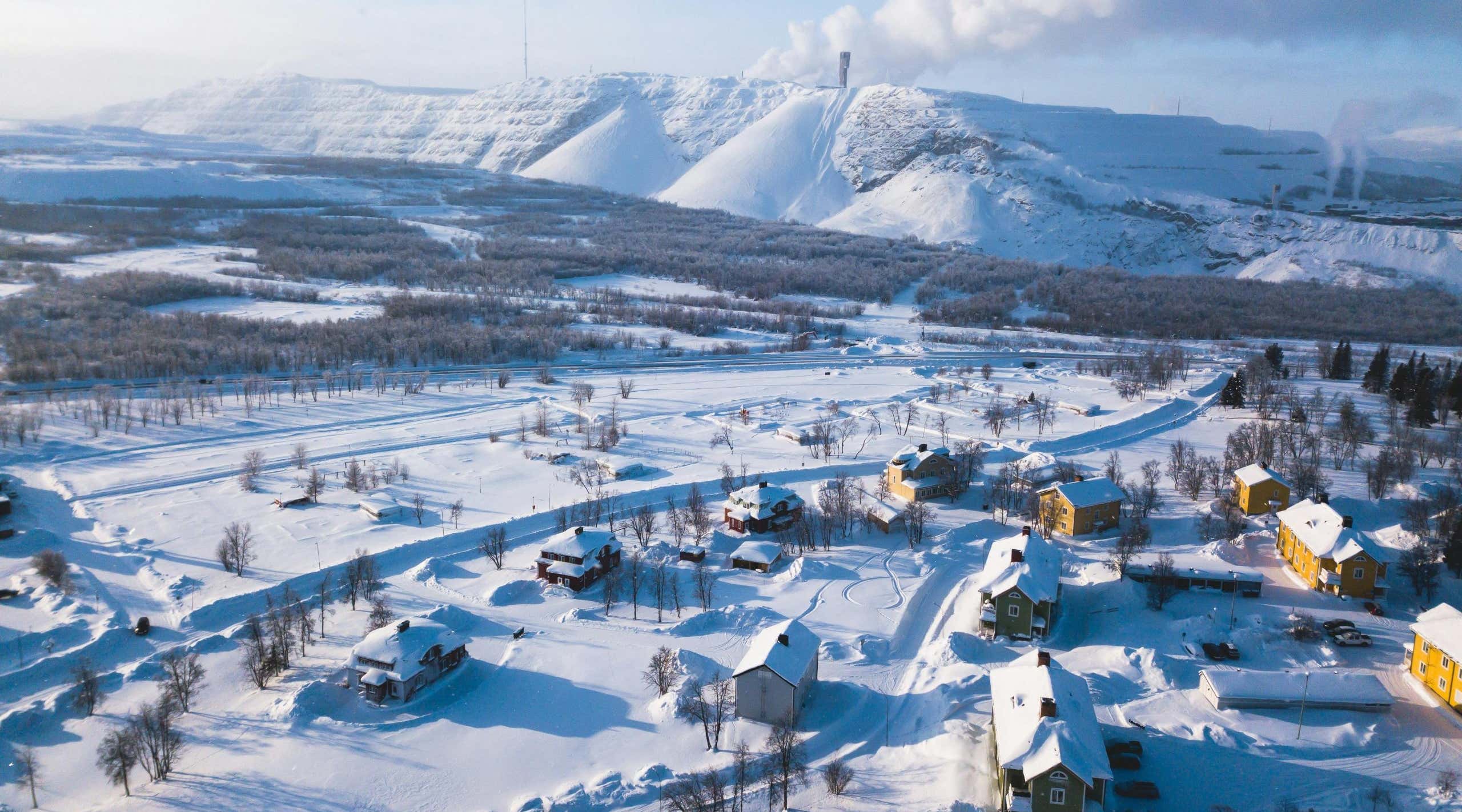
In the afternoon, travel to the town of Kiruna, the northernmost town in Sweden. Surrounded by snow-covered mountains and vast wilderness, Kiruna is a place where industry, Arctic nature, and indigenous Sámi culture come together. It’s also a town undergoing a remarkable transformation due to the expansion of the iron ore mine beneath it. Much of Kiruna, including its historic church and town centre, is being relocated several kilometres to the east.
Upon arrival, meet your local guide for a guided tour through Kiruna’s unique landscape. You will explore the town's shifting architecture and learn about its fascinating history from its founding in the early 1900s as a mining hub, to its current role in space research and sustainable Arctic living. Next, continue to the Esrange Space Visitor Centre, located just outside the city in the vast northern wilderness. This pioneering facility is Europe’s gateway to the edge of space, where high-altitude balloons and satellites are launched. During your visit, you'll gain insight into Sweden's contributions to space science, Arctic research, and the exciting future of exploration.
After a long day of travelling, conclude the day with a farewell dinner.
DAY 5: KIRUNA DEPARTURE
After breakfast, you will be transferred back to Kiruna Airport for your return flight home.
Northern lights sightings: Please note that while Abisko is one of the best places in the world to see the Northern Lights, as with all natural phenomena, sightings can never be guaranteed since the lights depend on both space weather and local conditions.