Subscribe now

Walking Tour

Human origins and gentle walking in prehistoric south-west England

Next trip

5 days from 24 August 2026

Prices from

£1,790

New Scientist. Science news and long reads from expert journalists, covering developments in science, technology, health and the environment on the website and the magazine.

Booking information

Contact an expert to discuss this weekend break

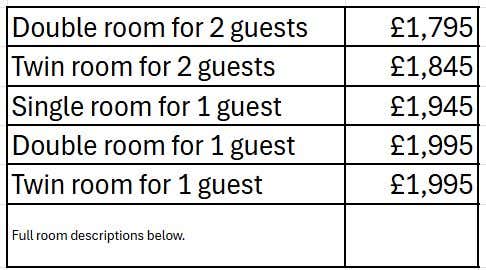
24 August 2026 - 5 days for £1,790 per person

Register for 2027 and we will contact when confirmed details including dates and prices are available.


Step into the world of our ancient ancestors on this exciting walking tour through south-west England’s prehistoric landscapes. Explore sites including Stonehenge, Old Sarum, Maiden Castle, and more, and see firsthand how archaeology reveal the secrets of our distant past. From mysterious stone circles to grand Iron Age hillforts, experience the places where early humans lived, worked, and left their mark. 

This tour blends gentle walking with immersive archaeological and scientific exploration, taking you to some of southwest England’s most iconic prehistoric and historic sites, including Stonehenge, Avebury, Old Sarum, and Maiden Castle. Discover the ritual and astronomical significance of Neolithic stone circles, the complex defensive strategies of Iron Age hillforts, and the evolving patterns of settlement, technology, and society across millennia. Along the way, you’ll also experience the region’s stunning landscapes, from rolling chalk downs and ancient woodlands to dramatic hillfort vistas, seeing how geography and environment shaped human activity over thousands of years.

Accompanied throughout by Emily H. Wilson, former editor-in-chief of New Scientist. Emily will offer thought-provoking talks that bring ancient landscapes vividly to life. Enhancing your experience, a team of experts - including the Director of Wiltshire Museum - will reveal the latest discoveries, interpretations, and archaeological insights, offering a unique perspective on prehistoric artefacts and the cultures that created them. Through daily walks, immersive site explorations, and engaging mini-seminars, you’ll connect scientific inquiry with history, uncovering the remarkable ingenuity of these ancient monuments.

This tour is ideal for those fascinated by human origins, archaeology, and the scientific study of our past. Gentle walks through extraordinary landscapes provide immersive access to sites of profound historical and geological significance, while expert-led discussions and behind-the-scenes insights transform each visit into a deeply rewarding exploration of how early societies shaped - and were shaped by - the world around them.

In partnership with Kirker Holidays.


DAY 1: ARRIVE AT SALISBURY AND MEET THE GROUP

Check into The Chapter House in the charming city of Salisbury. You will have the remainder of the day at leisure.

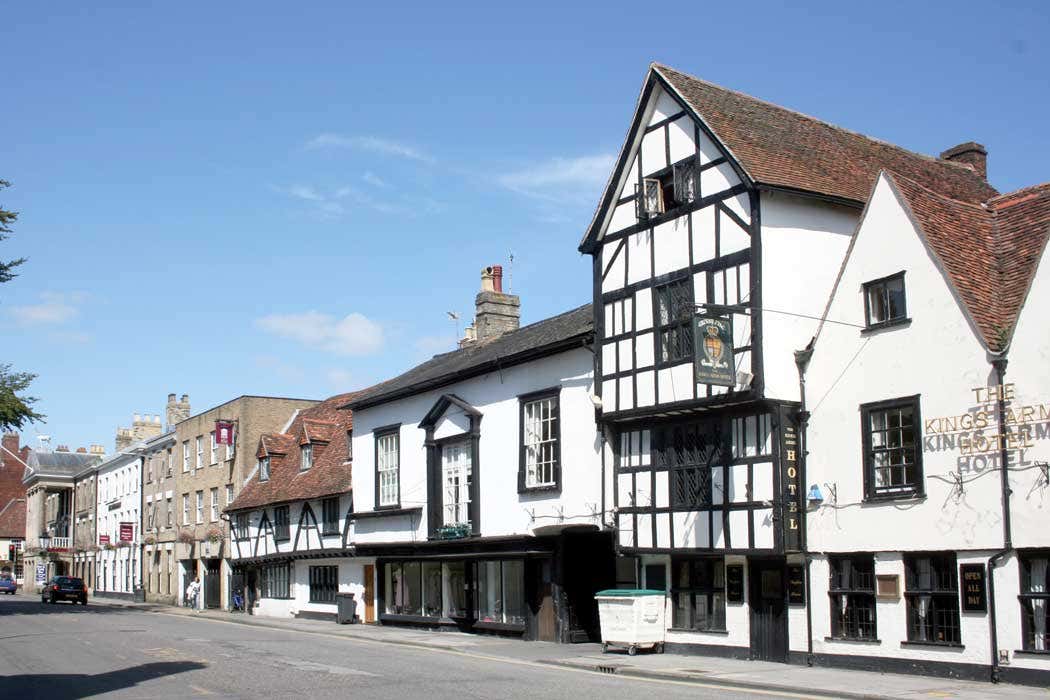
Salisbury is a captivating historic city in Wiltshire, England, where centuries of history unfold along elegant medieval streets. At its heart stands Salisbury Cathedral, founded in 1220 and crowned by the tallest church spire in Britain, a landmark that has shaped the city’s skyline and identity for over 800 years. Beyond the city, the landscape is steeped in deep time: Old Sarum reveals layers of Iron Age and Norman history, while nearby Stonehenge connects Salisbury to one of the world’s most famous prehistoric sites, making the area a compelling destination for lovers of history, archaeology, and culture.

In the evening, meet your tour leader and Emily Wilson, author and journalist and former New Scientist editor-in-chief; and your fellow guests for a welcome drink at the hotel.

Afterwards, Emily will give an informal talk about tomorrow's visit to Cerne Abbas, which will be followed by dinner at the hotel.

DAY 2: CERNE ABBAS AND MAIDEN CASTLE

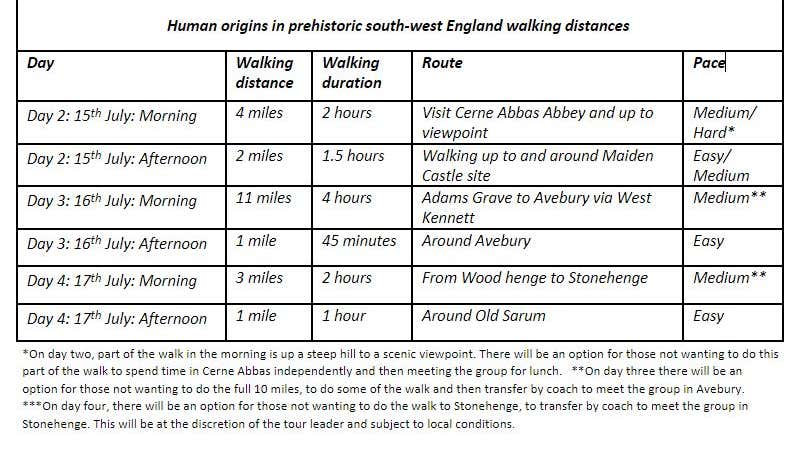
Walking distance: 6 kilometres - 2.5 - 3 hours 

This morning you will travel by coach to Cerne Abbas. During the journey, Emily will talk about her time living in the village and the numerous Iron Age tools on the local hilltops that she has found. 

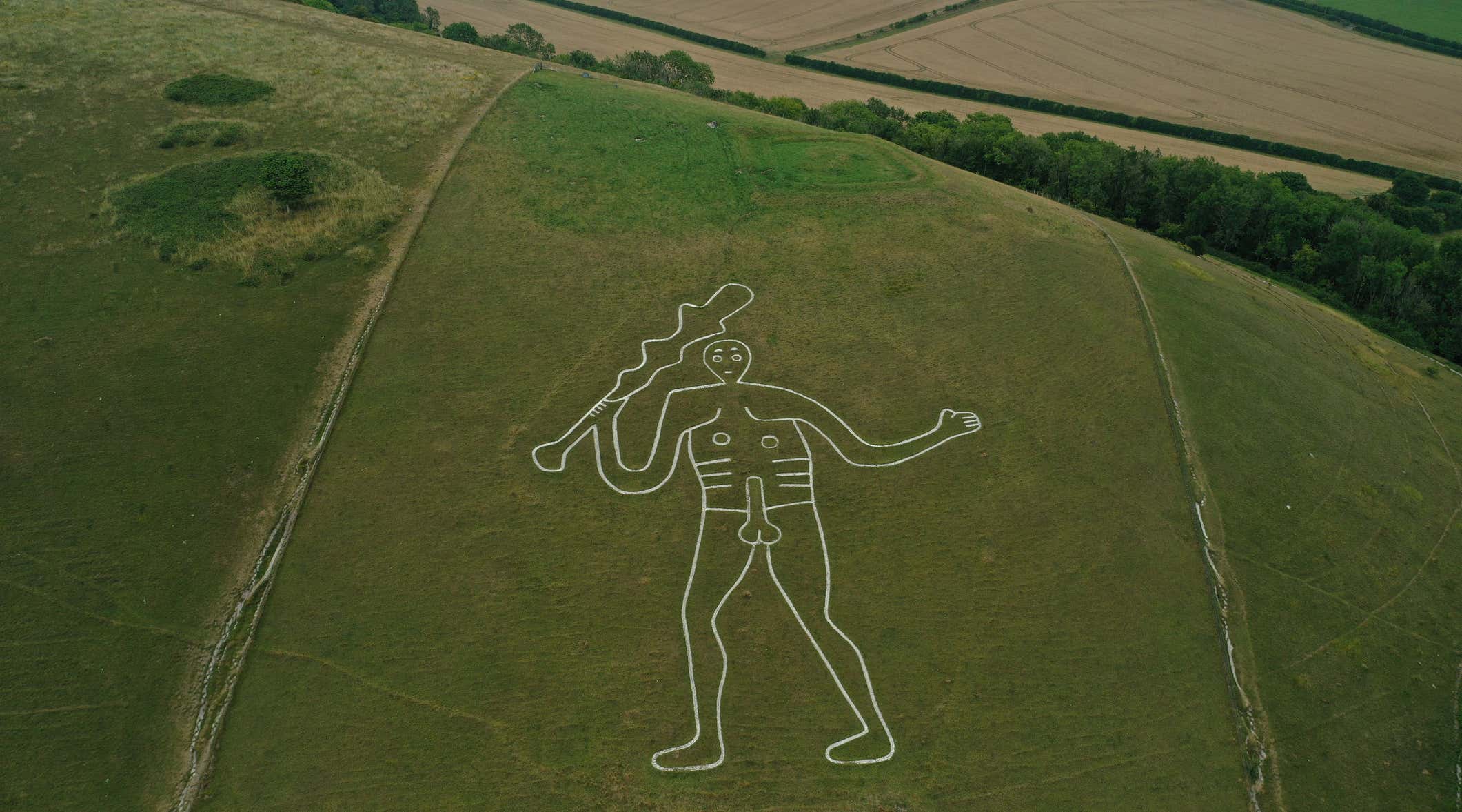
Cerne Abbas is known for the Cerne Giant geoglyph, an ancient, naked figure sculpted into the chalk hillside that is more than 50 metres in length. Its origin and age is unclear, although one recent study has suggested an age of about 1000 years. While the village grew up around a Benedictine abbey that was founded in AD 987, there is evidence of Iron Age settlements above the giant. Cerne’s chalk stream and ancient springs have fuelled a highly successful brewing trade in past centuries.

On arrival at the village, Emily will then lead you on a guided walk of under 5 kilometres around the prehistoric landscape. Afterwards, enjoy lunch at a local pub in the village before continuing onto Maiden Castle.

New Scientist. Science news and long reads from expert journalists, covering developments in science, technology, health and the environment on the website and the magazine.

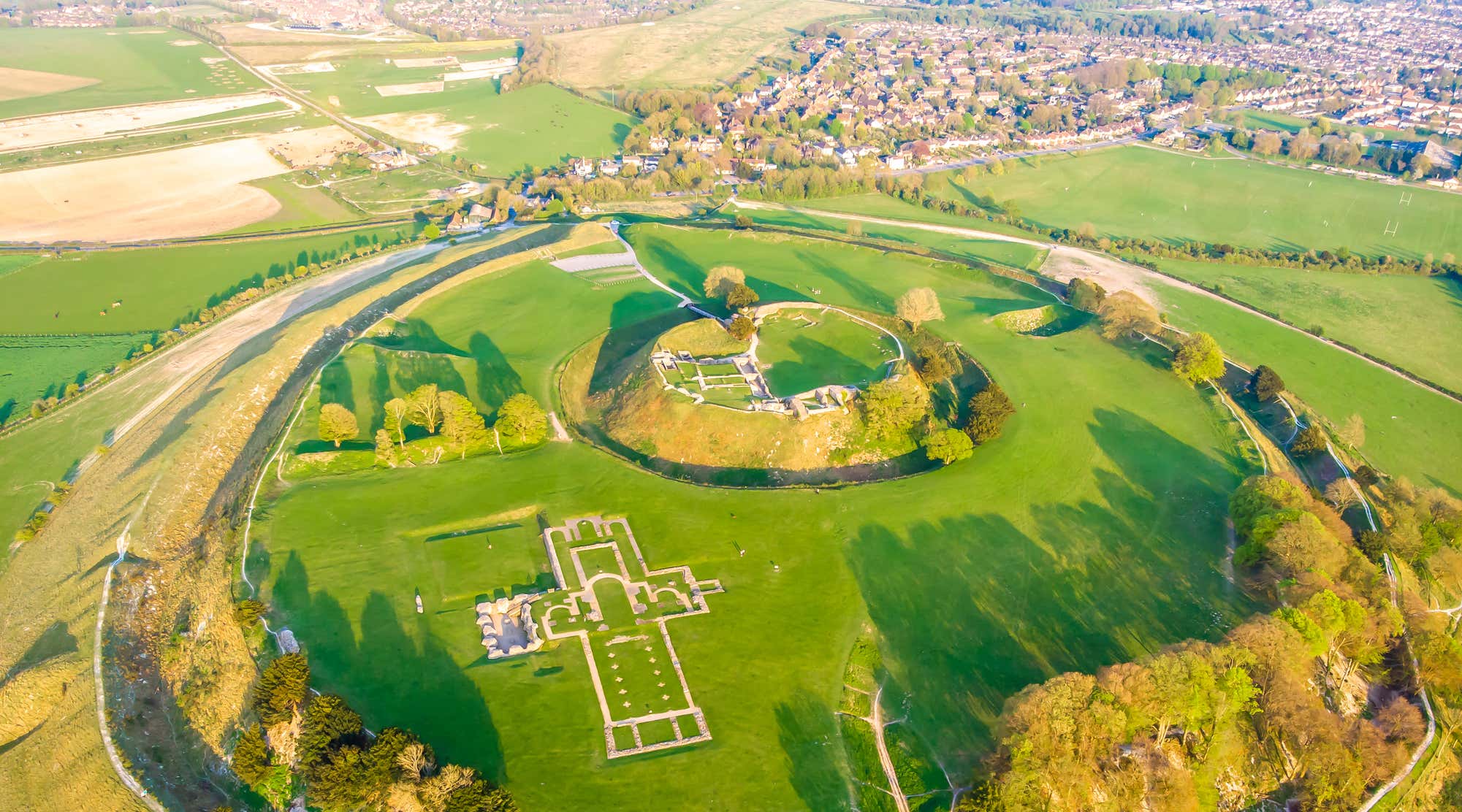
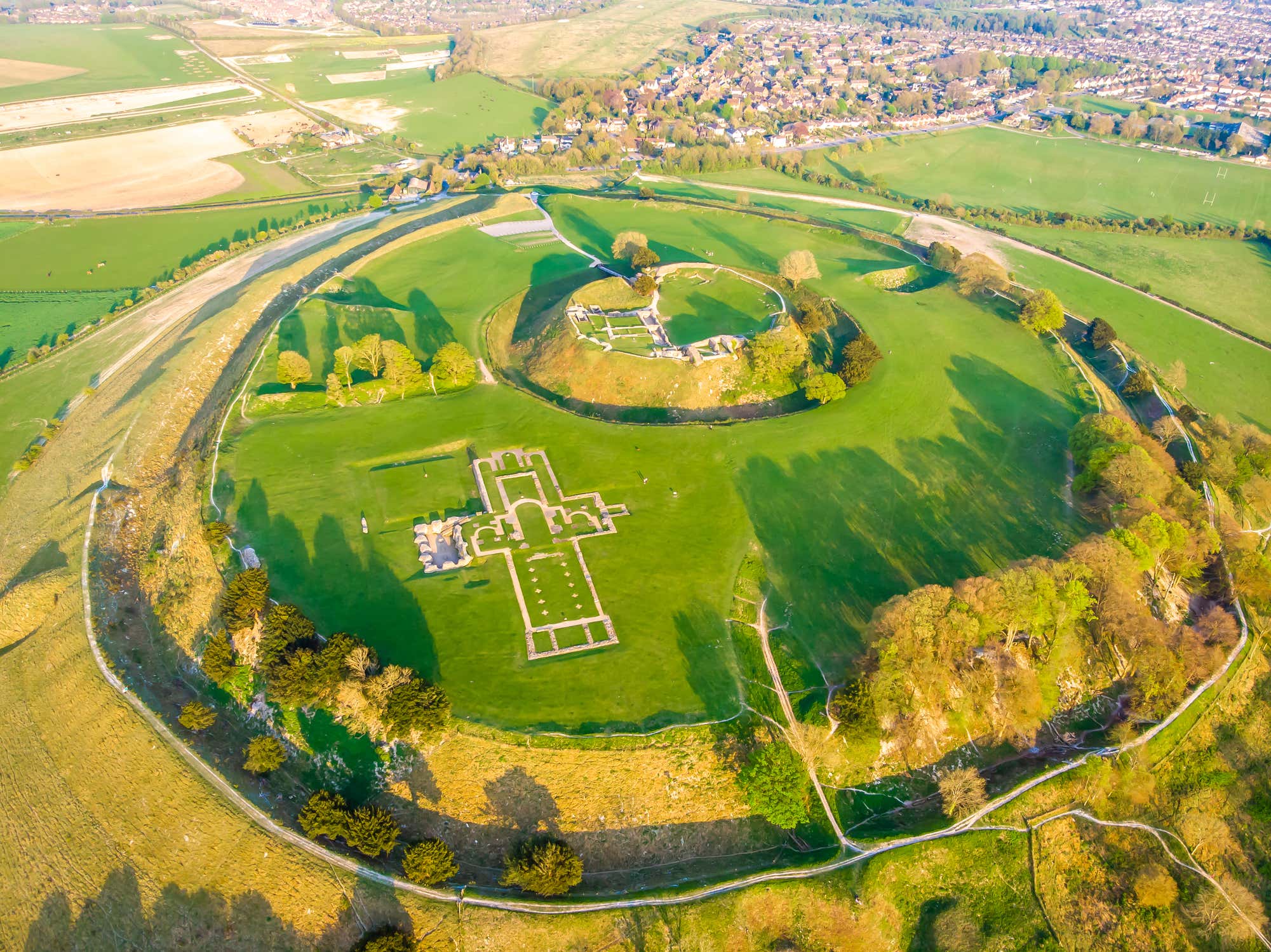
Aerial view of Old Sarum in England

Getty Images/iStockphoto
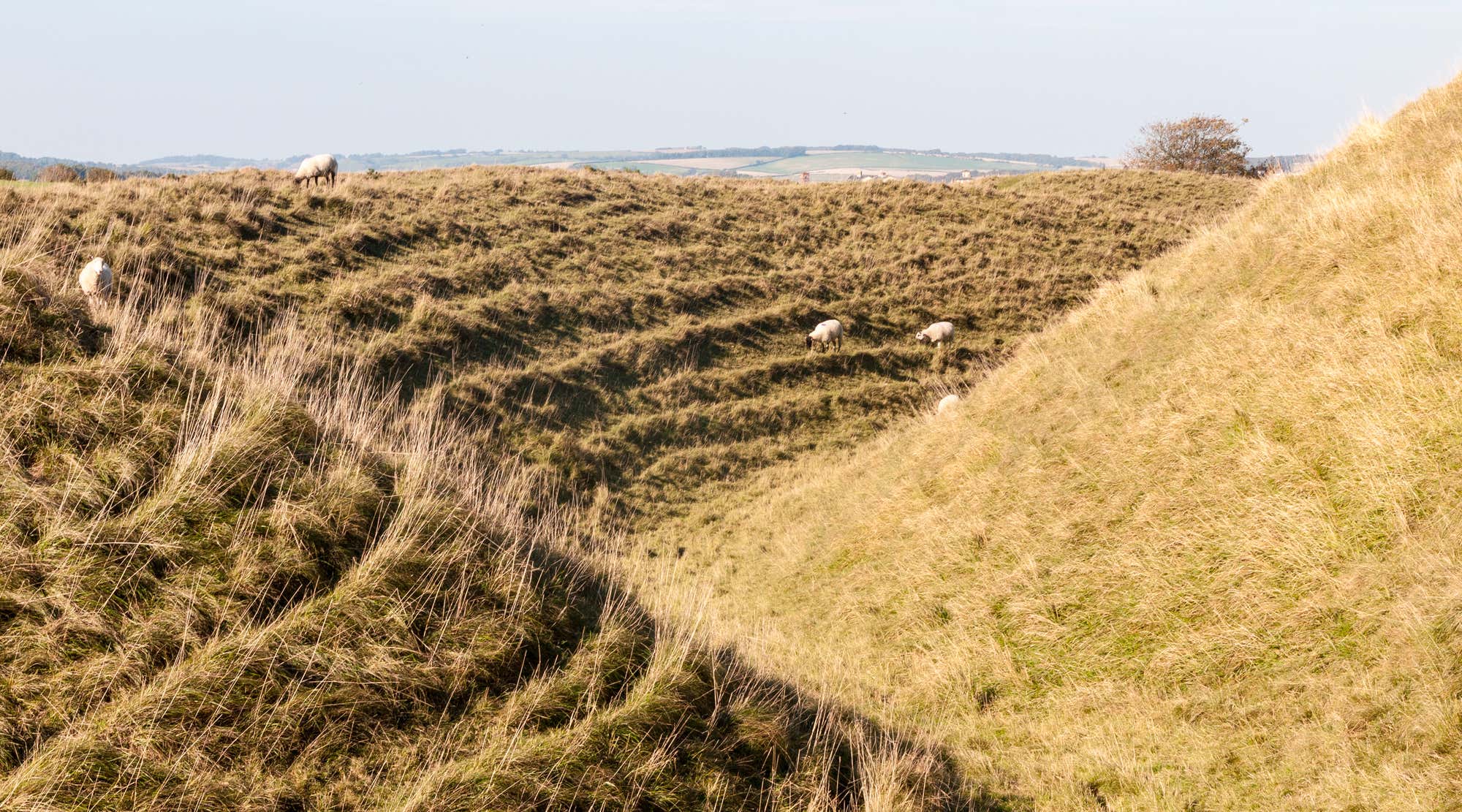
You will have a guided tour of Maiden Castle, one of the largest and most complex Iron Age hillforts in Europe. Mostly built in the 1st century BC, it has multiple huge ramparts and is the size of 50 football pitches. Excavations have revealed evidence of occupation during the Neolithic, Bronze Age, Iron Age and Roman periods. The walk to the top of the hill fort is quite steep in parts. 

In the late afternoon, return to the hotel and enjoy dinner together.

DAY 3: EARTH MOUNDS, AVEBURY STONE CIRCLE, ALEXANDER KEILLER MUSEUM AND WILTSHIRE MUSEUM

Walking distance: 11 kilometres - 3-4 hours  

After breakfast, drive by coach to the Neolithic long barrow Adam’s Grave, a trapezoidal earth mound covering burial chambers. From here, you will walk towards Avebury, stopping at West Kennet long barrow. It is one of the largest in Britain, built in around 3400 BC, and visitors can explore inside its five chambers. Afterwards, you will walk to view Silbury hill, the largest artificial mound in Europe. Completed in around 2400 BC, it contains no burial chambers or remains, so its original purpose remains unknown. The walk is around 11 kilometres and will take around 4 hours. For those who don't feel confident walking this distance, there will be the option to transfer from Adam's Grave to West Kennet long barrow by coach and then on to Silbury hill, meeting up with the group in Avebury. 

New Scientist. Science news and long reads from expert journalists, covering developments in science, technology, health and the environment on the website and the magazine.

Shutterstock

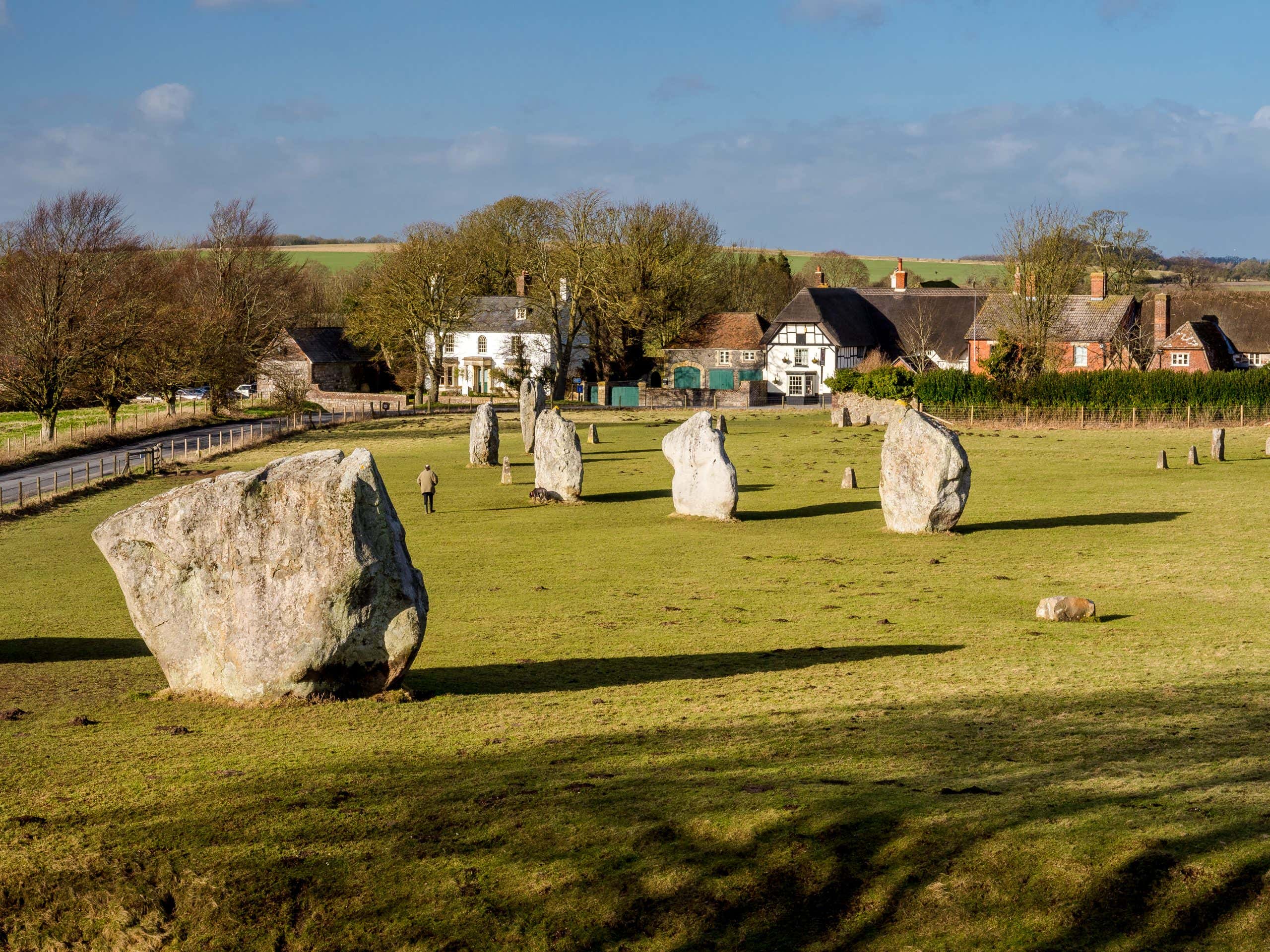
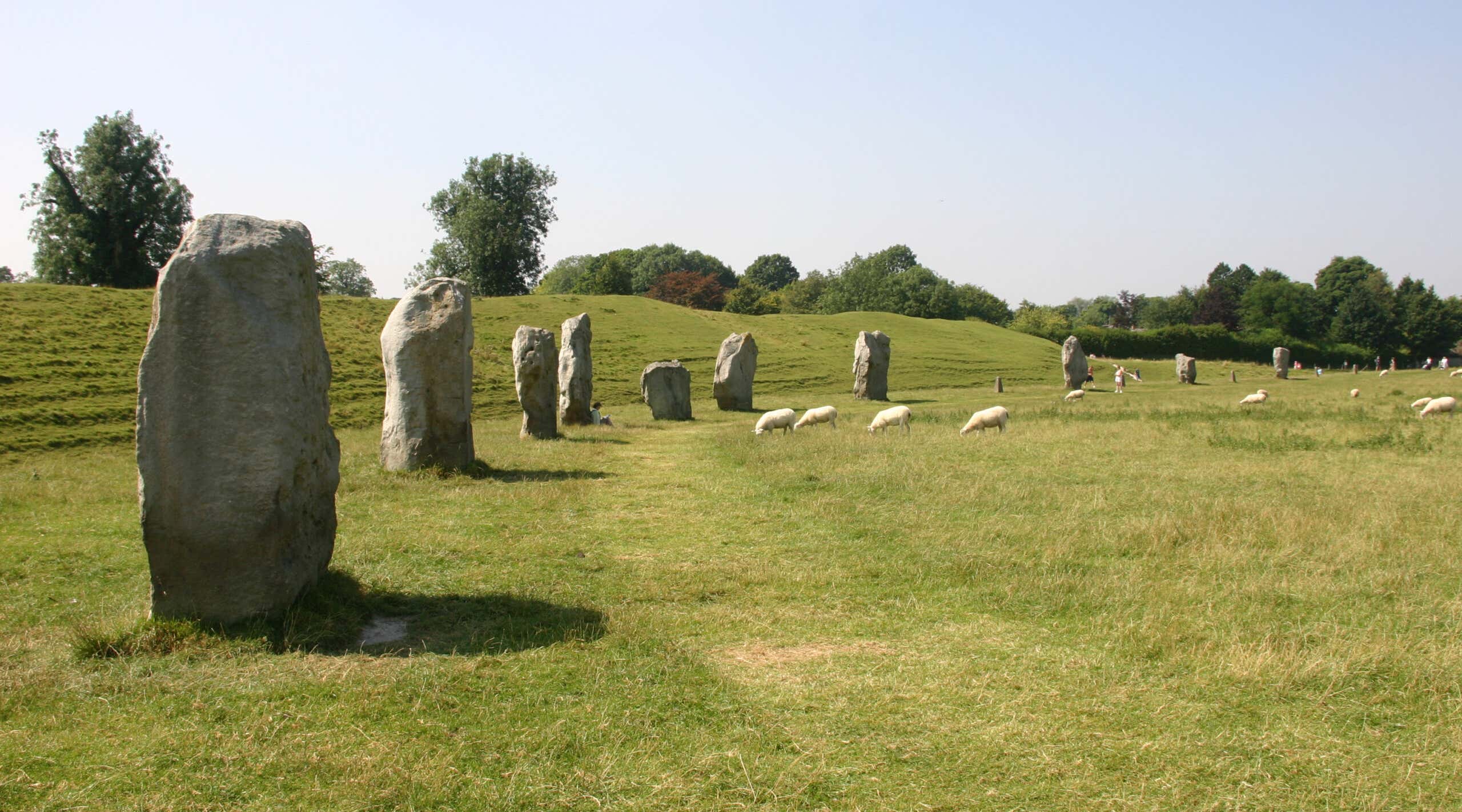
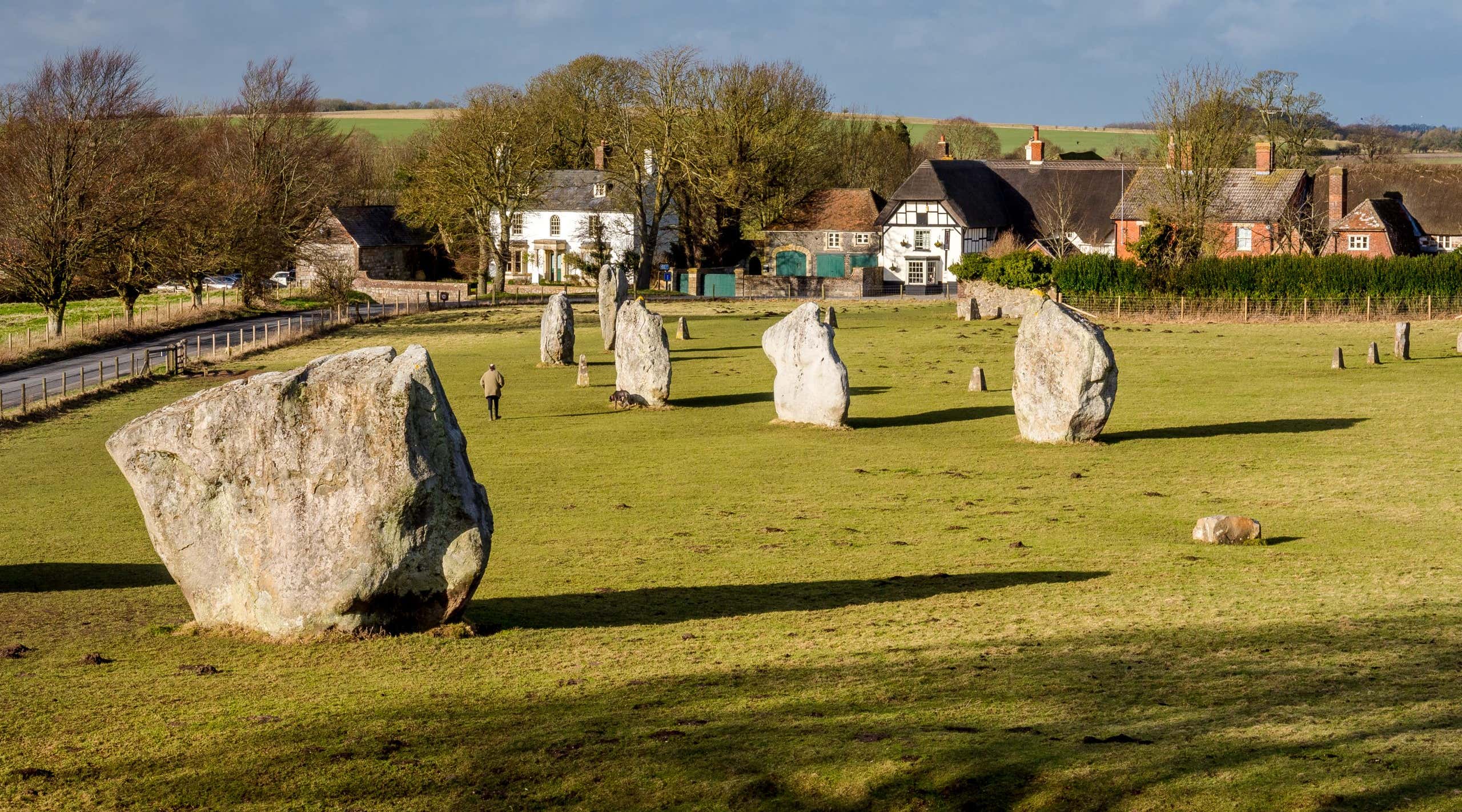
Today’s sites are part of the Stonehenge and Avebury UNESCO World Heritage Site and in the afternoon, you will reach Avebury henge and stone circles. The henge is a huge, circular bank and ditch encircling Avebury village. Inside is the largest stone circle in Britain, dating back to some time between 2850 BC and 2200 BC.

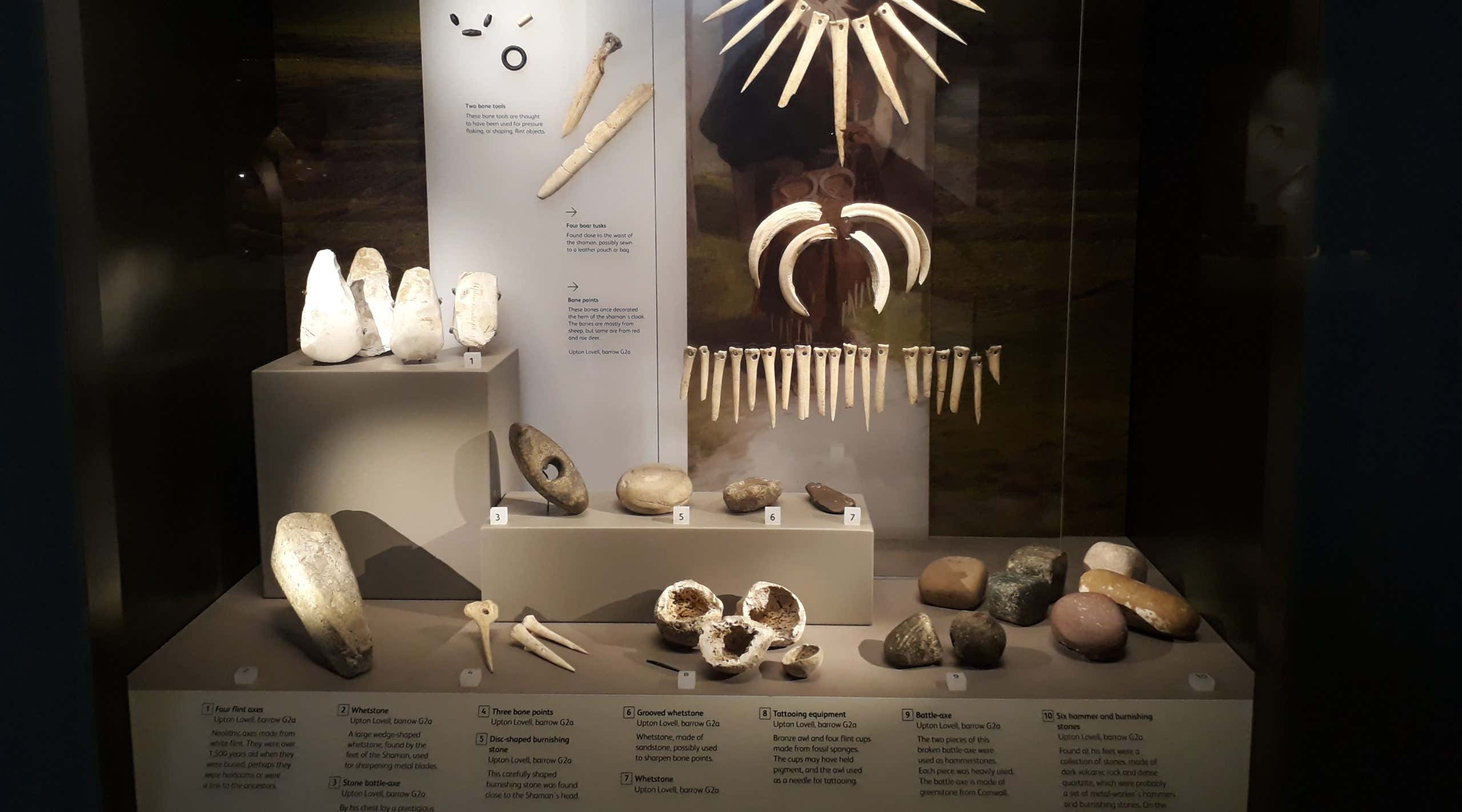
Afterwards continue to the Wiltshire Museum for a private visit and introduction from the museum director. Here, you will explore more than 500,000 years of Wiltshire’s story. The collection includes more finds from around Stonehenge, including tools and decorative objects. Afterwards, return to Salisbury where you will have dinner at your own leisure. 

DAY 4: STONEHENGE, OLD SARUM AND SALISBURY MUSEUM 

Walking distance: 5 kilometres - 2 hours

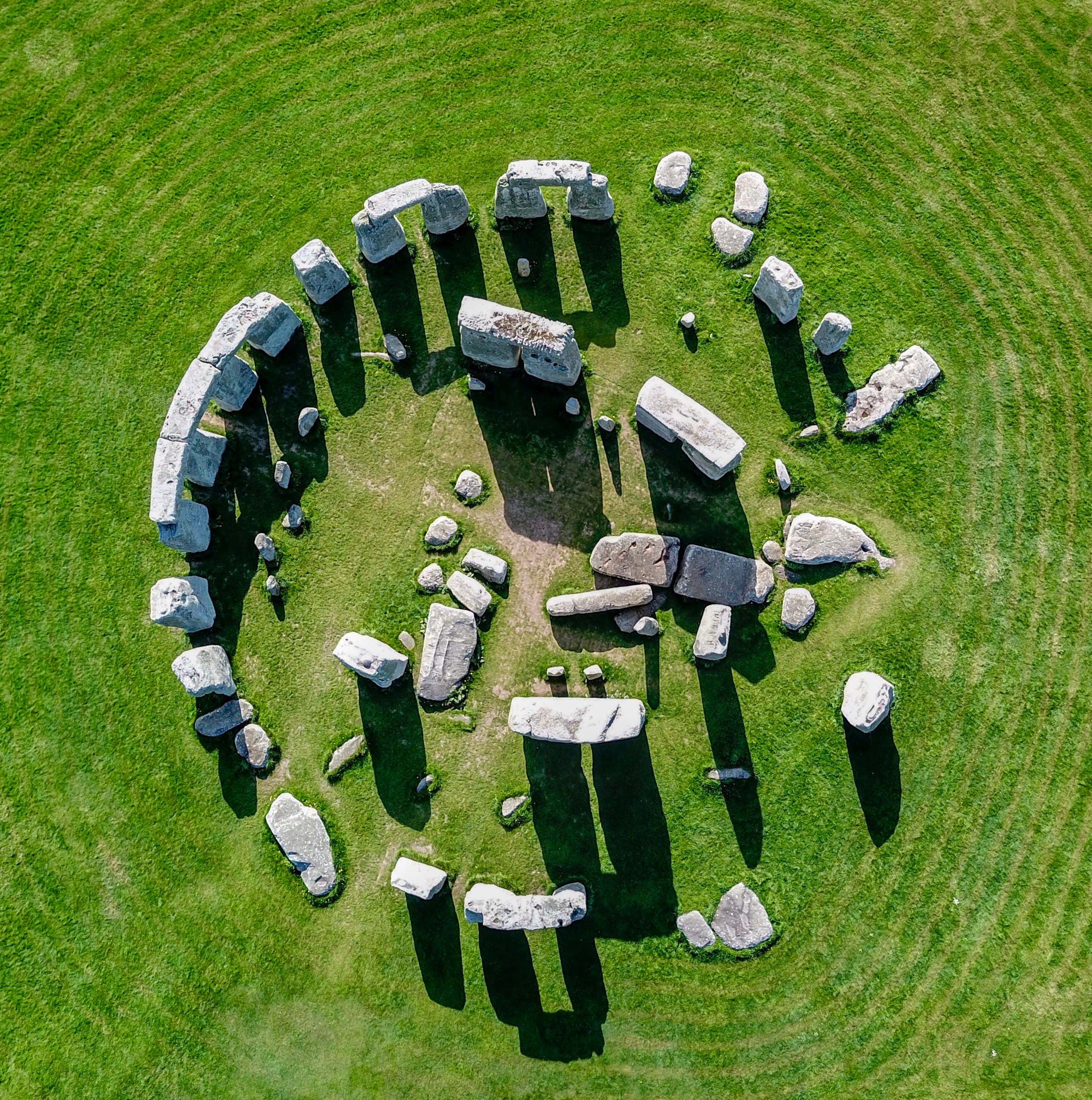
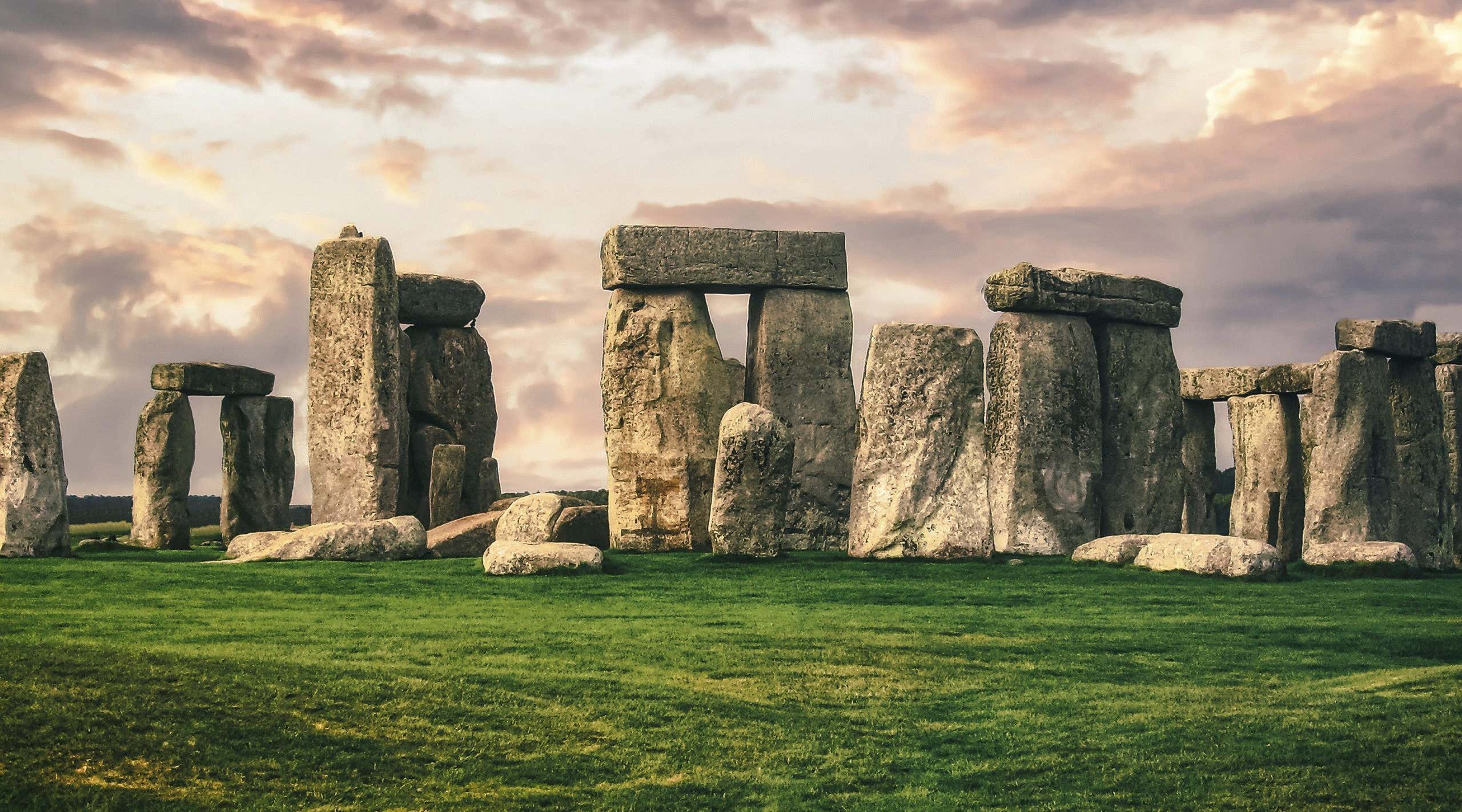
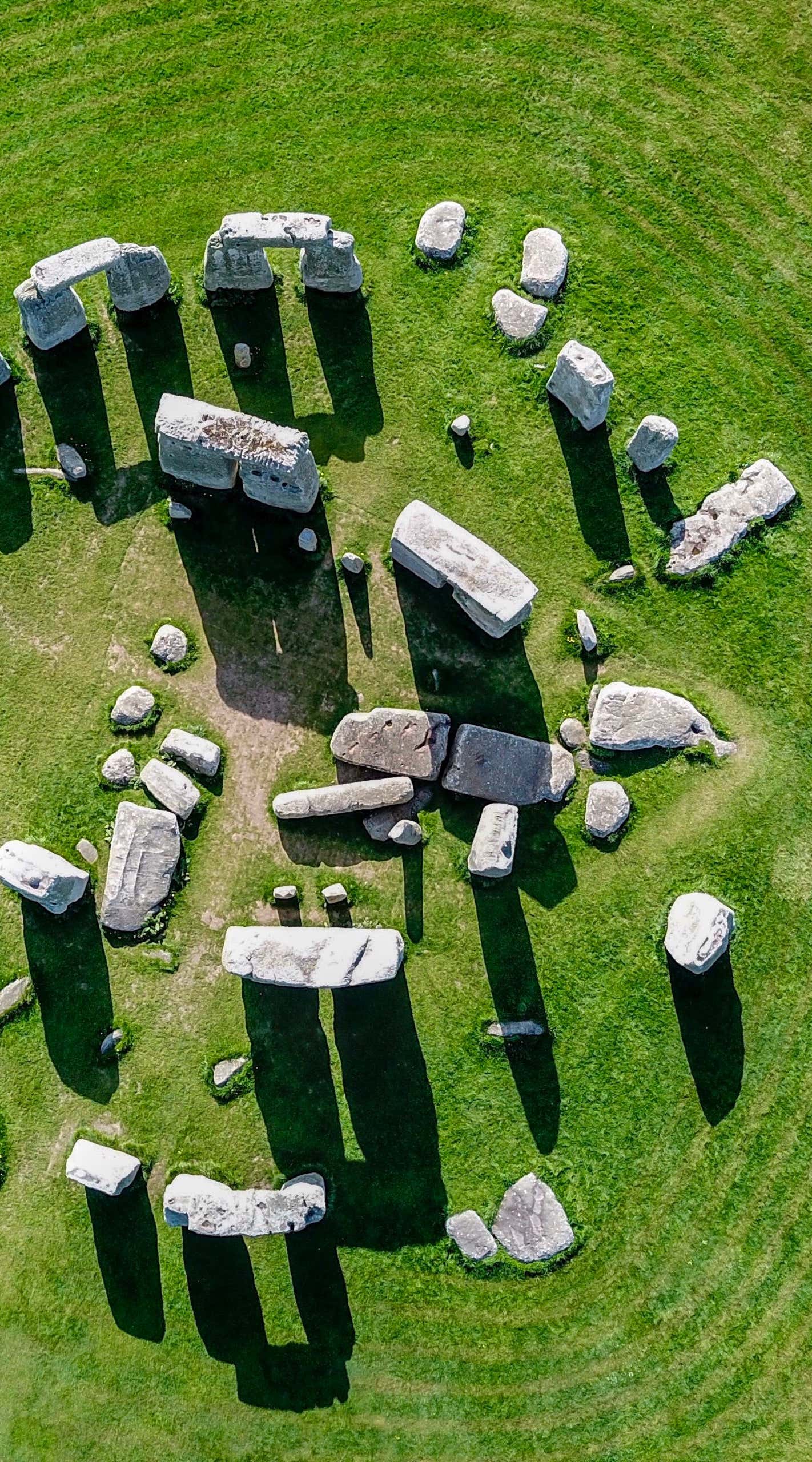
Departing by coach after an breakfast, start walking from about 5 kilometres east of Stonehenge. This will allow you to visit several interesting sites, including Woodhenge, Cuckoo Stone and the Cursus Barrows, before the majesty of Stonehenge slowly reveals itself. You will be accompanied by a guide from Woodhenge who will offer insight into Stonehenge. 

As one of the most famous landmarks in Britain, it attracts a lot of visitors, but we are aiming to get you there by 9:30am when it opens to appreciate its beauty without the crowds. Access to the site is through timed tickets, which we will have already booked for you. The visitor centre is also worth a visit, with an exhibition, outdoor gallery and reconstructed Neolithic houses. You will have plenty of time to explore the site.

New Scientist. Science news and long reads from expert journalists, covering developments in science, technology, health and the environment on the website and the magazine.

Shutterstock

Return to Salisbury with time in the afternoon to relax.

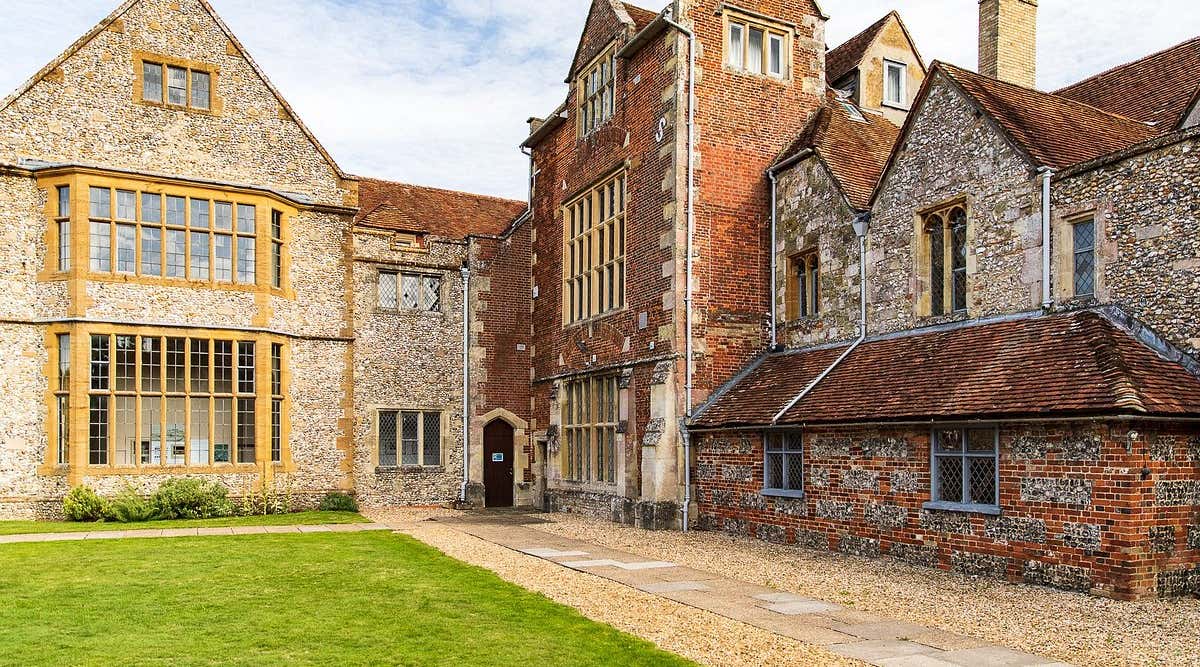
In the late afternoon, visit the Salisbury Museum, the museum covers the story of Salisbury from prehistoric times and includes artefacts from Stonehenge. Enjoy a final dinner with the group in the museum.

DAY 5: DEPART SALISBURY

After a final leisurely breakfast together, it’s time to depart. Checkout is at 11am, but if you wish to stay a few more nights to enjoy the area, we can arrange this for you.

Booking information

Contact an expert to discuss this weekend break

Highlights

  • Delightful walking tours around several prehistoric sites, including Avebury and Old Sarum
  • Guided walk to the UNESCO World Heritage Site of Stonehenge, offering a unique viewpoint of this wonderous site
  • Led in Cerne Abbas by former New Scientist editor-in-chief Emily Wilson for a guided walk around the prehistoric landscape
  • Behind-the-scenes tour of the Prehistory Galleries of the Wiltshire Museum and then private dinner with the Museum Director
  • Enjoy exploring the pre-eminent earthworks of Maiden Castle with a unique guided tour
  • Maximum group size 22 people.

Meet the expert

New Scientist. Science news and long reads from expert journalists, covering developments in science, technology, health and the environment on the website and the magazine.

Emily H. Wilson

Emily is a former editor-in-chief of New Scientist. Previously, she worked at The Guardian, where she served as features editor, website editor and editor-in-chief of the newspaper’s Australian edition, as well as running the paper’s science, technology, health and environment coverage. Her first novel, Inanna, was published in August 2023 and is set in ancient Sumer, the world’s first known civilisation.

Alongside her journalism career, she has always had a deep interest in prehistory and the earliest days of recorded time. She has attended digs, including one of a Bronze Age city in the east of Crete. She lives in Cerne Abbas where, in her spare time, she explores the Dorset countryside hunting for prehistoric stone tools.

New Scientist. Science news and long reads from expert journalists, covering developments in science, technology, health and the environment on the website and the magazine.

Callum Jenkins-Teague (Maiden Castle) 

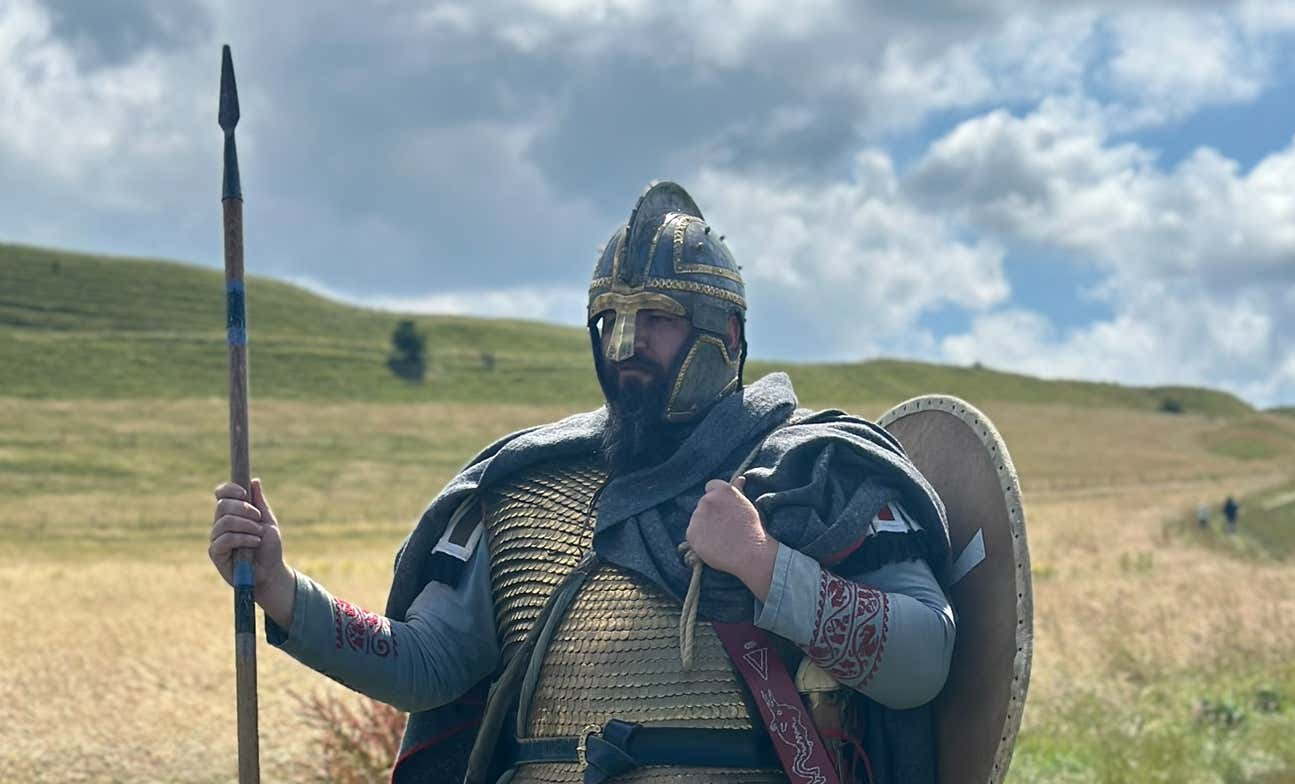
Callum leads a small team, where he combines his love and passion for re-enactment of early Iron age Britain and Europe, with historical walking tours. Offering a living breathing insight to the lives of ancient Britons who lived, worked and fought alongside the Romans, from the onset of the invasion of 43AD-410AD. He has worked alongside archaeologists, and across multiple locations in Britain with a growing number of historical interpreters and Experimental archaeologists. Callum will offer a guided tour at Maiden Castle.

New Scientist. Science news and long reads from expert journalists, covering developments in science, technology, health and the environment on the website and the magazine.

David Dawson (Wiltshire Museum)

David has been director of the Wiltshire Museum since 2008 and has a wide range of experience in museum management, from practical curatorial work to national and international policy and the use of digital technology. He is a fellow of the Society of Antiquaries and an associate of the Museums Association. He holds a BA in archaeology from Durham University, UK, and a postgraduate certificate in museum studies from The University of Leicester. He has worked as a field archaeologist on a number of excavations in the UK, France and Italy, which included several seasons as a site supervisor for English Heritage.

WHAT'S INCLUDED

  • Four nights’ accommodation based in a twin/double room on a bed-and-breakfast basis
  • Three dinners, including an exclusive private dinner at the Salisbury Museum
  • Two lunches
  • Accompanied by New Scientist former editor-in-chief Emily Wilson on days 1 and 2
  • English-speaking tour guide throughout the trip
  • Full touring itinerary as detailed
  • Entry to all sites and attractions
  • Transport throughout in a comfortable air-condtioned coach
  • Free parking at the Bear Hotel

WHAT'S NOT INCLUDED

  • Transport to the hotel for the start of the tour
  • Meals other than those stated
  • Travel insurance
  • Items of a personal nature, such as drinks, laundry, telephone calls
  • Porterage and gratuities
  • Visa/ETA (if applicable)
  • Single supplement - £149 per person

HOW TO GET THERE

This tour begins and ends in Salisbury.

Arriving by car: Salisbury can be reached via the A36 from Bath or Southampton, and the A30 from London and surrounding areas. The city is well-signposted, with ample parking options in and around the city centre.

Arriving by rail: The closest railway station is Salisbury Station, located just under a mile from the city centre. It offers regular services to major cities including London, Bristol, and Exeter, making it easy to reach Salisbury from across the country.

Arriving by bus: Direct bus services connect Salisbury with nearby towns such as Bath, Southampton, and Winchester, as well as longer routes from London via connecting services. Local buses and park-and-ride options make getting around the city straightforward.

PACE AND PHYSICALITY

This tour contains walking on most days. This is mostly on established tracks, but there will be some rough terrain and hills. The walk in Cerne Abbas and to Maiden Castle are up steep hills, additional days walking is on flatter paths with occasional hills. Therefore, guests should have a good level of fitness and manual dexterity.

The walking will be at a relaxed pace, but isn't suitable for guests with mobility issues.

Comfortable walking shoes or boots are recommended, along with wet weather clothing that can be easily carried.

Accommodation

The Chapter House, Salisbury 

Nestled in the heart of Salisbury, just a stone’s throw from the iconic cathedral, The Chapter House is a delightful boutique hotel and pub that perfectly blends historic charm with modern comfort. This historic building brims with character, offering 17 individually styled en‑suite rooms, some featuring original wood panelling and cosy fireplaces. Each room tells its own story, making it a captivating stay for visitors who love history, character, and a touch of local flair.

Please note due to the historic nature of this property, rooms will vary in size. 

New Scientist. Science news and long reads from expert journalists, covering developments in science, technology, health and the environment on the website and the magazine.

Please note: If required for reasons beyond our control, we reserve the right to substitute alternative accommodation of equal or higher quality or adapt the itinerary if required.

Piano Exit Overlay Banner Mobile Piano Exit Overlay Banner Desktop