Booking information
Contact an expert to discuss this tour
September 2026 – 9 days
Register for 2026 now at tours@newscientist.com and we will contact you with confirmed tour details, including dates and prices, when available.
Embark on an unforgettable journey through Sweden and Denmark, tracing the remarkable history of scientific discovery in northern Europe. From the meticulous observations of Tycho Brahe, whose revolutionary study of the stars transformed our understanding of the cosmos, to the pioneering work of Anders Celsius, whose temperature scale continues to guide us today, this tour celebrates centuries of innovation and curiosity.
Explore iconic historic observatories, state-of-the-art museums and dynamic research laboratories that showcase the evolution of scientific thought — from the early studies of natural history to the cutting-edge breakthroughs shaping the modern world. Each stop offers a window into the minds of the visionaries whose discoveries have left a lasting mark on science and society.
Your journey will be enriched by award-winning science writer, journalist and broadcaster Marcus Chown. With his gift for making complex ideas clear and captivating, Marcus will reveal the hidden science woven into the fabric of these historic cities. Through lively talks and guided walks, he will connect you with everything from the physics of the cosmos to the scientific breakthroughs that shaped human history, deepening your appreciation at every step.
Whether you are a seasoned science enthusiast or simply curious about the forces that have shaped our understanding of the universe, this immersive tour offers a unique opportunity to experience northern Europe through the lens of its extraordinary scientific legacy.
This tour is ideal for science enthusiasts and curious travellers alike, and it uncovers the stories and locations that made northern Europe a global hub of scientific progress.
In partnership with Kirker Holidays.
DAY 1: ARRIVE IN COPENHAGEN, DENMARK
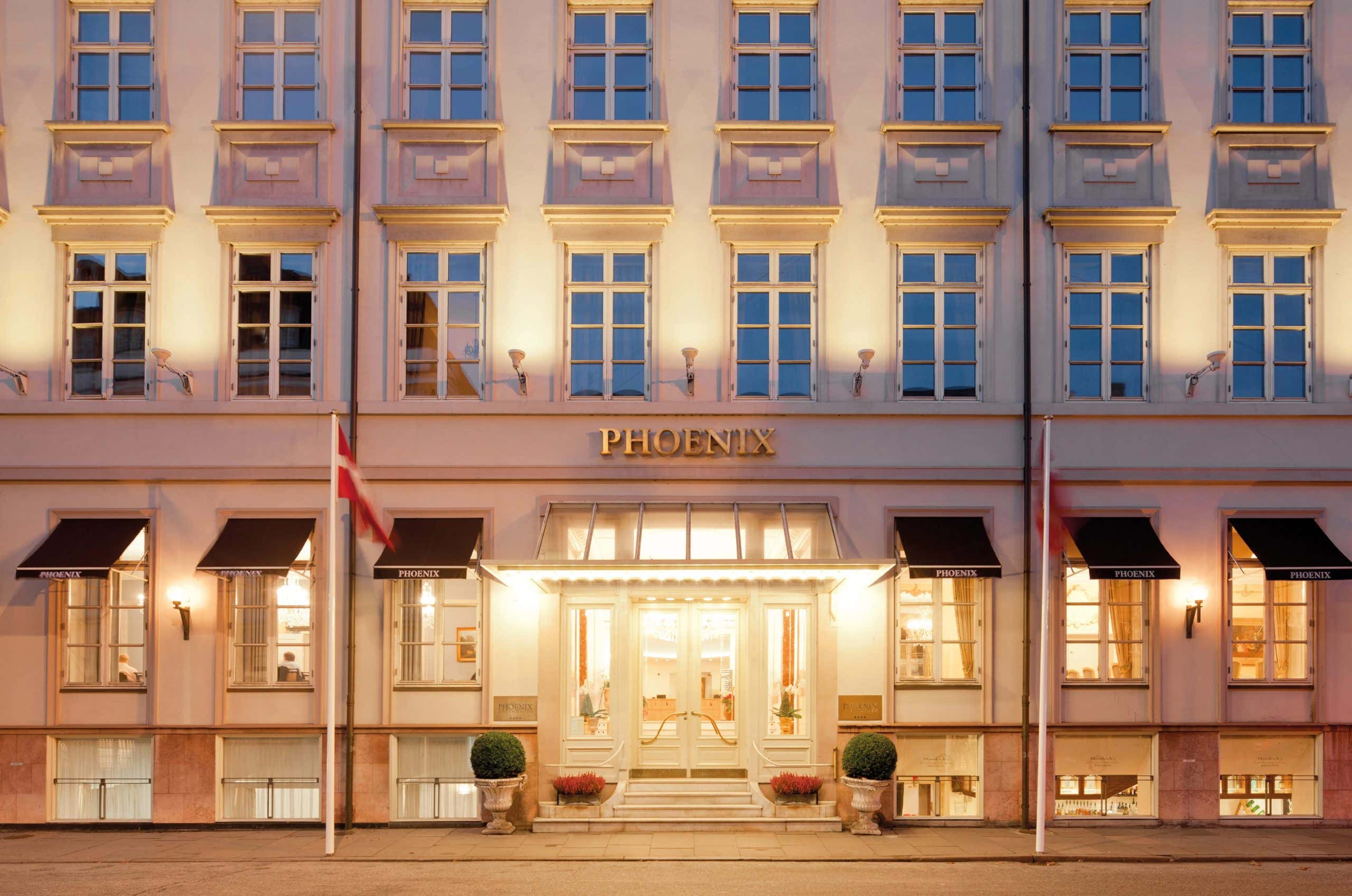
Arrive in Copenhagen, Denmark, and make your own way to your centrally-located hotel.
In the evening, meet with the group, your local tour leader and expert for a welcome session. Afterwards, enjoy a welcome dinner followed by the first of the tour talks, which will cover a brief history of physicist Niels Bohr's research and an outline of the days ahead.
DAY 2: COPENHAGEN CANAL BOAT TOUR AND VEN ISLAND
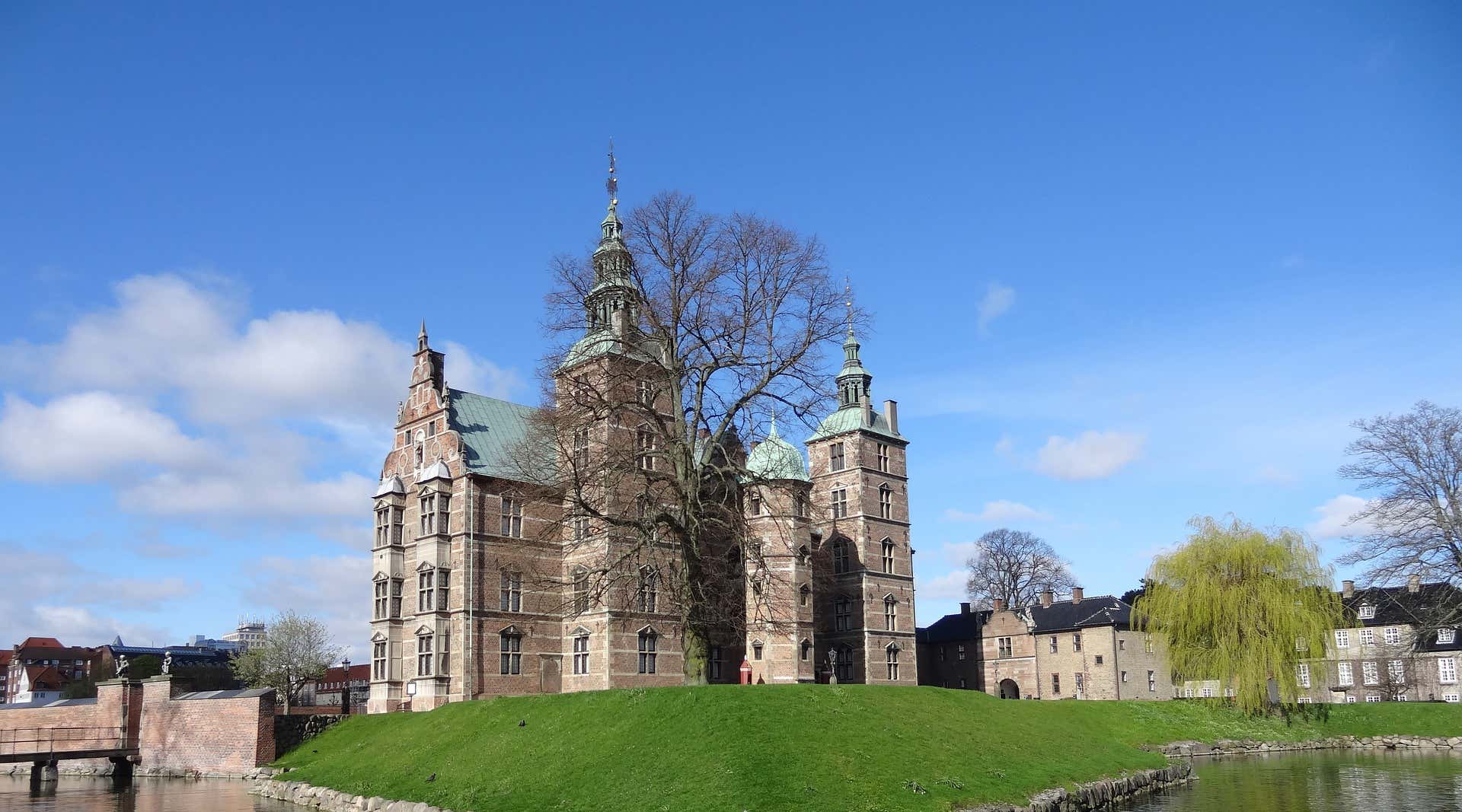
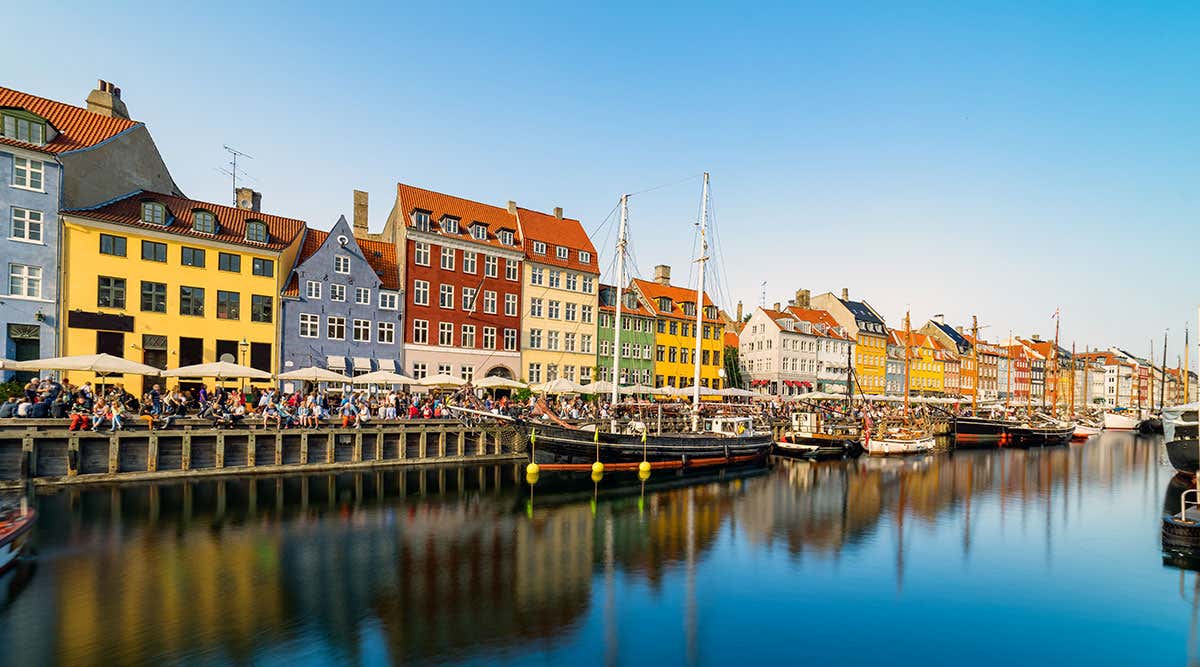
Today, you will begin with a tour of the canal district by boat, starting at the picturesque Nyhavn canal, followed by The Round Tower, which was built as an astronomical observatory for Christian Longomontanus (who replaced Tycho Brahe as astronomer to King Christian IV), and Rosenborg Castle.
In the afternoon, take the ferry from Copenhagen to Ven, an island located in the Öresund strait between Denmark and Sweden, which has changed hands over the centuries. It was in Ven that Tycho Brahe built his two observatories: Uraniborg, which was also an alchemy laboratory, the first custom-built observatory in modern Europe, and Stjerneborg, an underground observatory.
Over dinner, Marcus will discuss the application of the work today in the modern world.
DAY 3: THE CARLSBERG FOUNDATION, THE NIELS BOHR INSTITUTE AND THE NATIONAL SPACE INSTITUTE
In the morning you will head to the Carlsberg Foundation, where Niels Bohr once lived and worked. You will be given a private guided tour of the foundation and learn more about Bohr’s life and work, as well as the foundation’s philanthropy work and an insight into the support it offers scientific research through its grants.
In the afternoon, you are invited to the Niels Bohr Institute and the University of Copenhagen, where you will have a tour of the archives, celebrating 100 years of the institute in 2021. Also at the university are the Cosmic Dawn Centre (DAWN) and the Dark Cosmology Centre. The research at the two centres focuses on the formation of the first stars and black holes, as well as gamma rays, dark matter, galaxies and neutrinos. If possible, you will meet with scientists from these research centres to discuss the ongoing projects.
Additionally, you will meet the European Spallation Source (ESS) scientists at the Data Management and Software Centre, which will be used to interpret data from the ESS facility currently being constructed in Lund, Sweden. You will hear from experts about the ongoing research there.
Finally, visit the National Space Institute at the Technical University of Denmark, where you will learn about how the research of Bohr and his predecessors is being built on for the research of the future.
DAY 4: LUND, SWEDEN, AND ANDERS CELSIUS
Depart Copenhagen this morning and travel across the Öresund bridge into Sweden, arriving in the historic university town of Lund. Founded in 1666, Lund University has long been a hub of scientific thought, particularly in the fields of astronomy and physics. You’ll explore the Lund Observatory, where astronomers have been charting the heavens for centuries, and see how Swedish researchers pioneered new ways of measuring and mapping the cosmos. The visit offers a perfect opportunity to connect the early work of Anders Celsius with modern astronomy, linking the story of 18th-century star catalogues to today’s astrophysical research.
In the afternoon, enjoy a guided stroll through Lund’s medieval centre.
Marcus will lead an informal talk reflecting on Celsius’s contributions to both astronomy and meteorology, and how a simple temperature scale became one of the most enduring scientific standards in the world.
DAY 5: LUND TO STOCKHOLM
Departing Lund this morning, you’ll board the train for a scenic journey north through the Swedish countryside, arriving in Stockholm by midday.
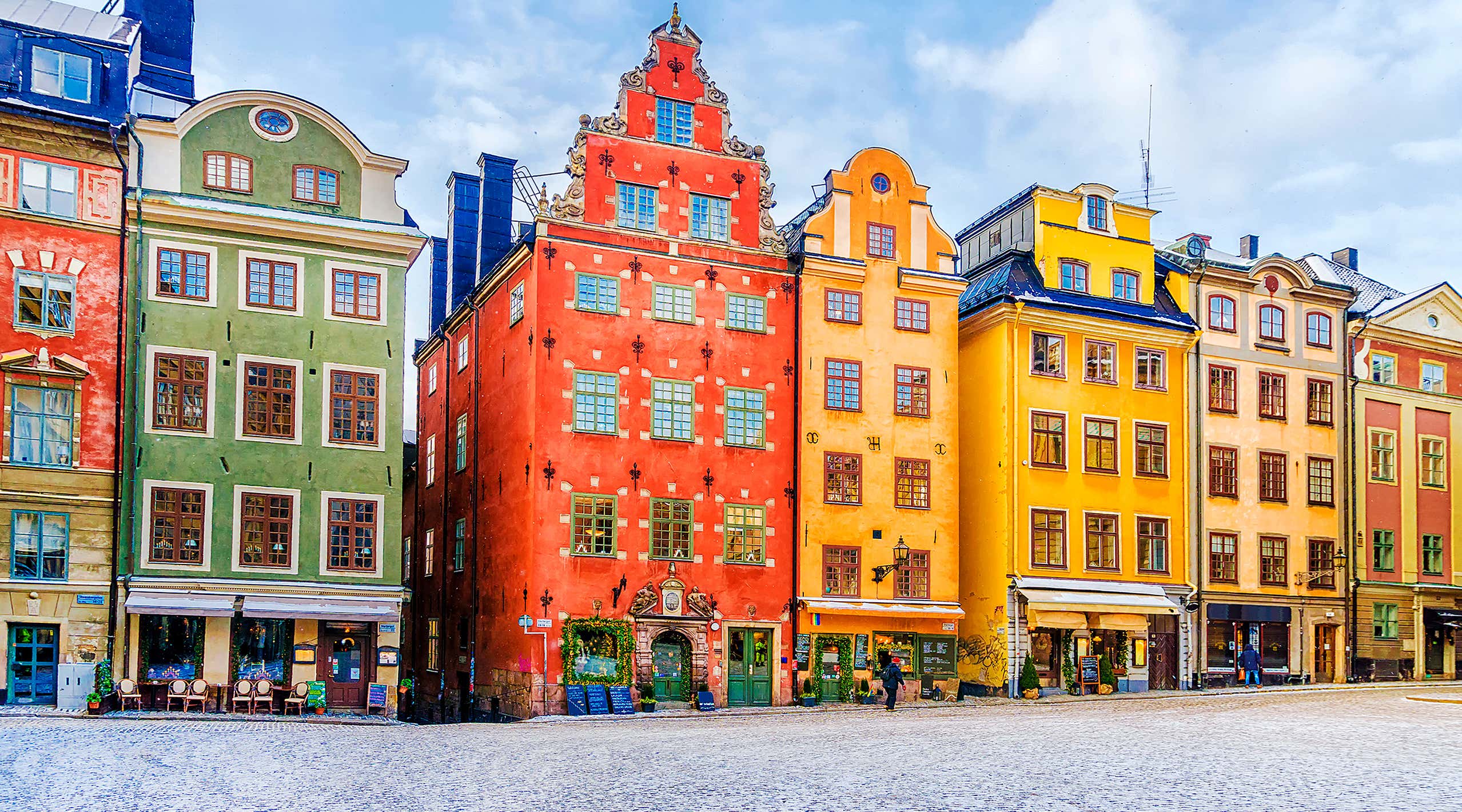
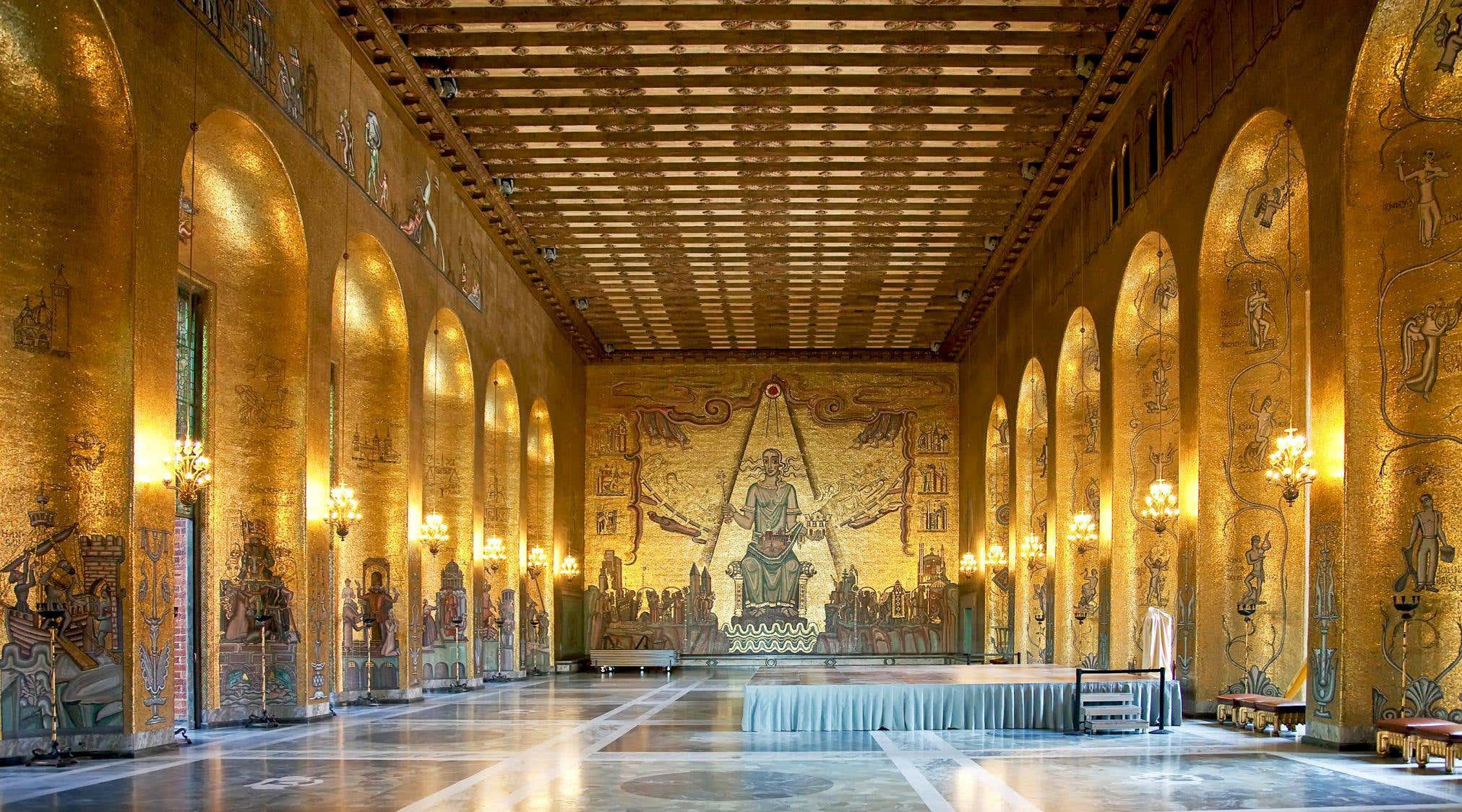
In the afternoon, enjoy a guided walking tour through the old town’s medieval maze of narrow streets, ending at Stockholm’s City Hall, Ragnar Östberg’s landmark building on the shores of Riddarfjärden, in which the annual Nobel banquet is held. Walking up the many steps to the top of the tower is worth the effort, as you will have a panoramic view of most of the city and its waterways. You will have a guided tour here before continuing through town and back into Gamla Stan and to the Nobel Prize Museum.
In the evening, you will visit Vinterviken Bay by catching a boat from just outside the City Hall. Home to Alfred Nobel’s old dynamite factory and blasting tunnels, the premises have now been turned into a restaurant where you can enjoy dinner overlooking the bay.
DAY 6: CITY SOLAR SYSTEM, UNDERGROUND ARTWORK, SWEDISH MUSEUM OF NATURAL HISTORY AND SCILIFELAB
Hidden in the city and across the country is the Sweden Solar System: sculptures, installations and lights that represent the planets and moons of our solar system at a scale of 1:20 million. It is the world’s largest model of a planetary system and turns Sweden into a giant science exhibit in its own right. During this tour, you will find seven of these structures tucked away in various places, taking you as far out as Saturn (or at least a 20-millionth of the way there).
As you travel around Stockholm today, you will also dip underground to visit different subway stations, famous for their artwork and all of them honouring science. Some examples you will see include Tekniska Högskolan station, celebrating the theory of gravity with a giant apple, and Universitetet station, tiled with panels outlining the travels of Carl Linnaeus, the famous botanist, physician and zoologist. You will learn more about Linnaeus tomorrow.
From these stations, you will visit the underground reactor hall of Sweden’s first nuclear reactor, R1, which was used for the majority of Sweden’s nuclear research until the 1970s. Long since disused, the venue now hosts modern art and dance exhibits.
You will also stop by Vetenskapens Hus (the house of science) at the AlbaNova University Centre, where the model of Venus is hiding. You will get the opportunity to meet experts from the department of astronomy and see Scharmer's Small Solar Telescope, which is a scale model of the world's second largest lensed telescope, one capable of showing images of the surface of the sun.
Continuing north, you will visit the Swedish Museum of Natural History and Cosmonova, which has nine permanent exhibitions about nature and the development of humankind under a 750-square-metre dome. Keen-eyed observers will discover the models of Earth and the moon here.
From here, you will travel on to visit Mars in Mörby, before continuing to Solna, where the SciLifeLab research laboratories are. Here, you will be given a behind-the-scenes guided tour of some of the facilities while learning about the ongoing research projects in biotechnology and how these are being applied in covid-19 research and other areas of biology.
You will return to the city centre having explored 300 years of science history and 1.3 billion kilometres of the solar system.
In your final talk from Marcus, he will be discussing scientists who surprisingly never won the Nobel prize and the ineligibility of larger teams and collaborations. He will also investigate the discoveries and controversies surrounding the prize.
DAY 7: WALKING TOUR, VASA MUSEUM, NOBEL ARBORETUM AND PIONEN DATA CENTRE
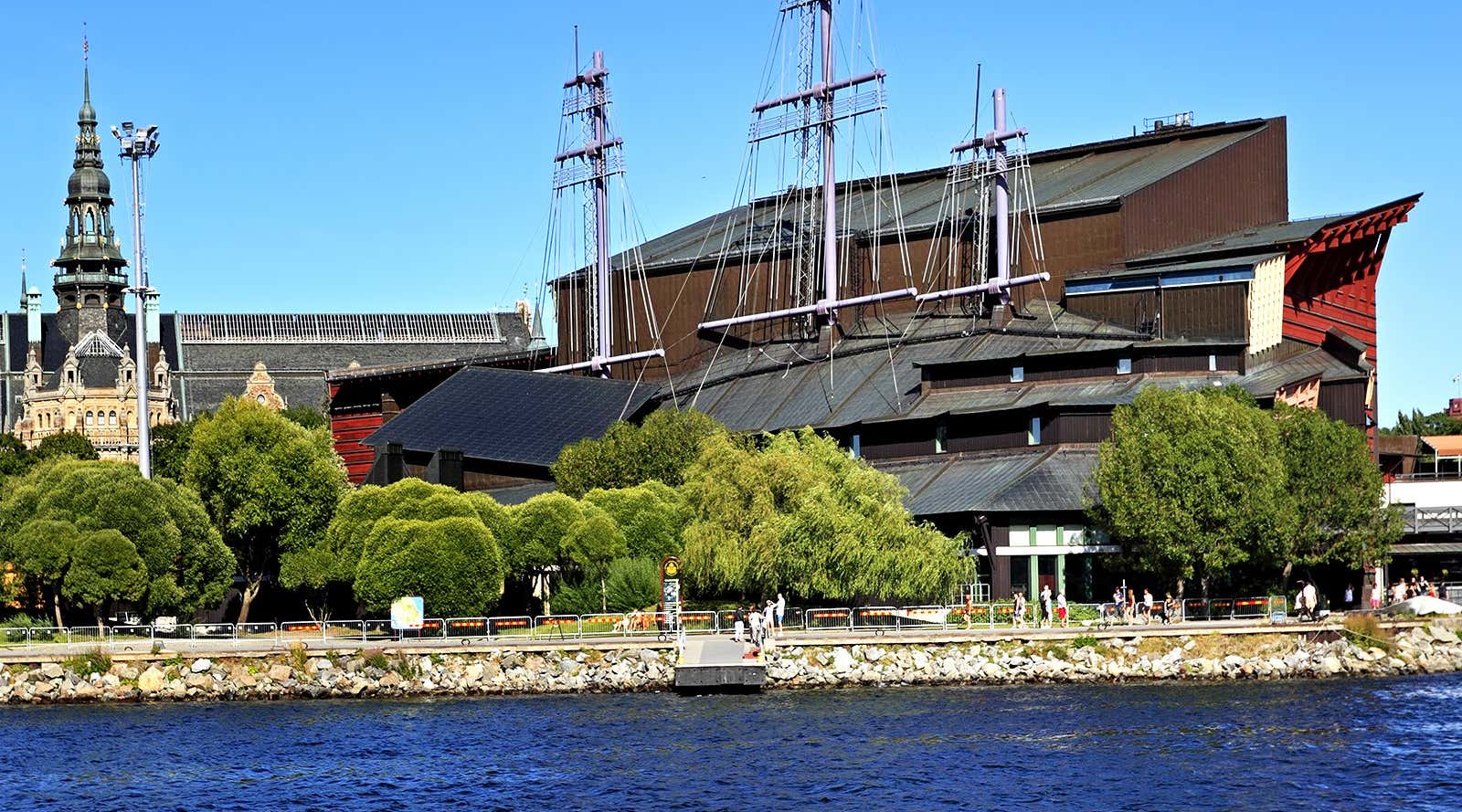
Enjoy the city coastline with this morning’s walking tour. Start at Sweden’s largest art museum, the recently reopened National Museum of Fine Arts. Continuing east, you will visit the Nobel Park, an arboretum in which nearly every species of tree which grows in Sweden can be found and studied, before continuing on to the Vasa Museum to learn about a time before Linnaeus, Nobel or Celsius, and discover the dramatic sinking of the Vasa ship on her maiden voyage in 1628 as well as modern day restoration in a specially-designed museum. Here, experts will give you a guided tour of the impressive ship and discuss the science behind restoration.
Leaving the past behind, take the short ferry across to Södermalm and visit the Pionen data centre. Beneath 30 metres of rock capable of withstanding a hydrogen bomb blast, the former bunker now has an eclectic design, with submarine engines for generators, waterfalls, fog, fish and tropical plants, similar to something out of a James Bond movie, and once used to house the Wikileaks servers. You will have a tour of the facility and a discussion on the modern science around data, before enjoying an afternoon of free time in the trendy Söder region of the city. You can explore the many restaurants, shops and bars nearby, or walk back through Gamla Stan and into the city centre.
DAY 8: UPPSALA, BOTANICAL GARDENS, ULRIKSDAL PALACE AND ARCHIPELAGO BOAT TOUR
Travelling to the nearby town of Uppsala, you will visit the botanical gardens of Carl Linnaeus, which were also his home and workplace of 35 years. In the orangery of the gardens, you will have a light lunch and listen to a talk about botany. Saturn, the furthest planet you will see in the Sweden Solar System, can also be found nearby. On the way back to Stockholm, you will stop by Ulriksdal Palace, located in the leafy surroundings of the Royal National City Park. Tour the palace, as well as the exquisite 18th-century rococo theatre, Confidencen.
This evening, you will explore Stockholm’s archipelago and sample the city's food and drink scene. Walking through town to reach the ferry ports, you will pass through Berzelii Park, named after one of Sweden’s most famous chemists, Jons Berzelius. He is credited with developing the modern system of chemical notation in the 19th century.
Ending at the nearby docks, you will head out onto the waves as you enjoy an evening boat trip through the archipelago. Visit Vaxholm, the fortress island designed to defend Stockholm, and enjoy a traditional crayfish party before returning as the sun sets on the tree-lined coasts. Your ferry will drop you off at the perfect location for either continuing your evening by exploring one of the many bars and cafes or taking a scenic walk past the palace grounds and back to your hotel.
DAY 9: DEPART STOCKHOLM
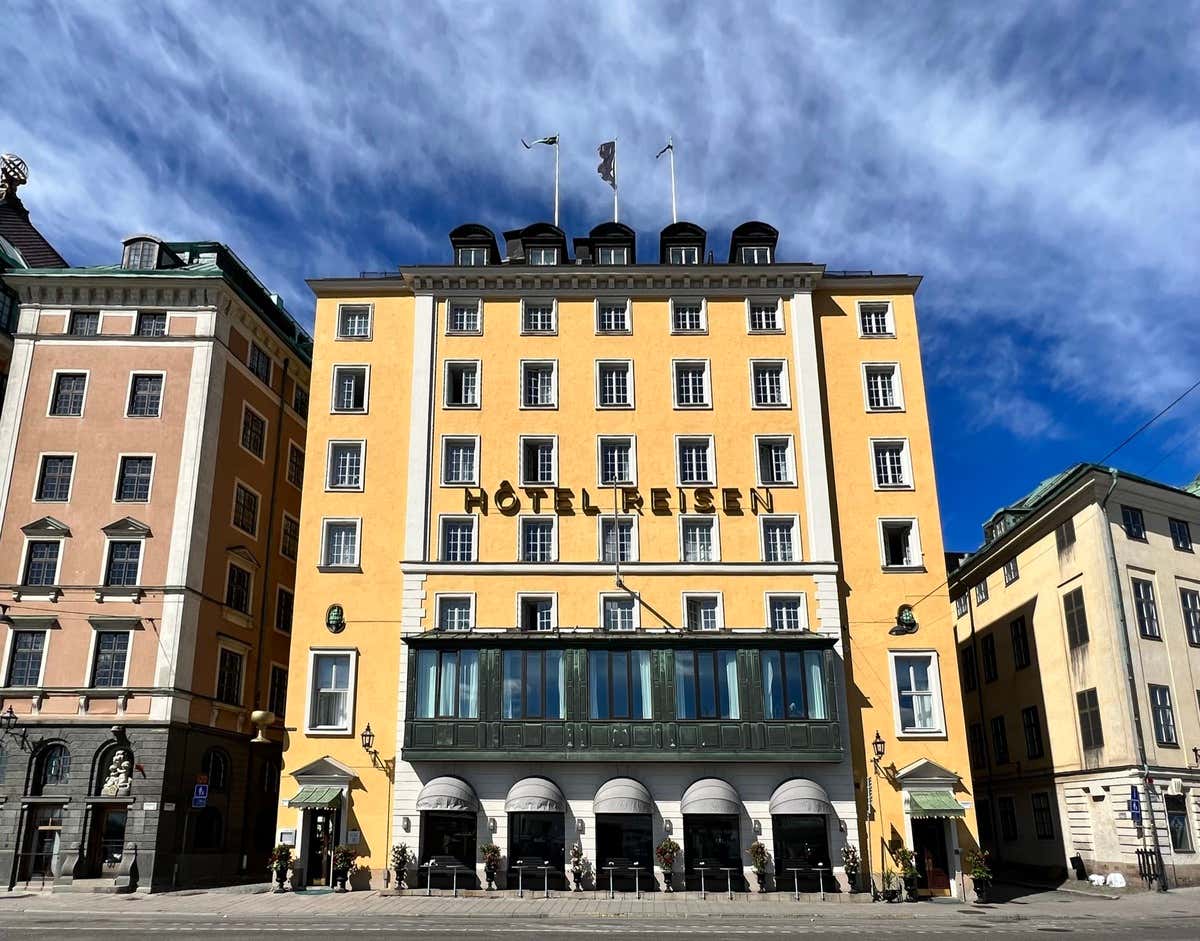
Depart for the airport this morning. As a final stop on your journey through the science of Sweden, Arlanda airport is the home to Jupiter in the Sweden Solar System. Bid farewell to Stockholm as you embark onwards.