

April 2027 – 10 days
Register for 2027 and we will contact you when confirmed details, including dates and prices, are available.
Embark on an extraordinary journey through Bolivia’s breathtaking landscapes and rich astronomical heritage, accompanied by acclaimed astronomy expert Jamie Carter. From high-altitude observatories and ancient solar sites to the vast, mirror-like Salar de Uyuni. Jamie brings his deep knowledge, captivating talks and hands-on stargazing sessions, offering unparalleled insight into the cosmos and the science behind Bolivia’s unique skies.
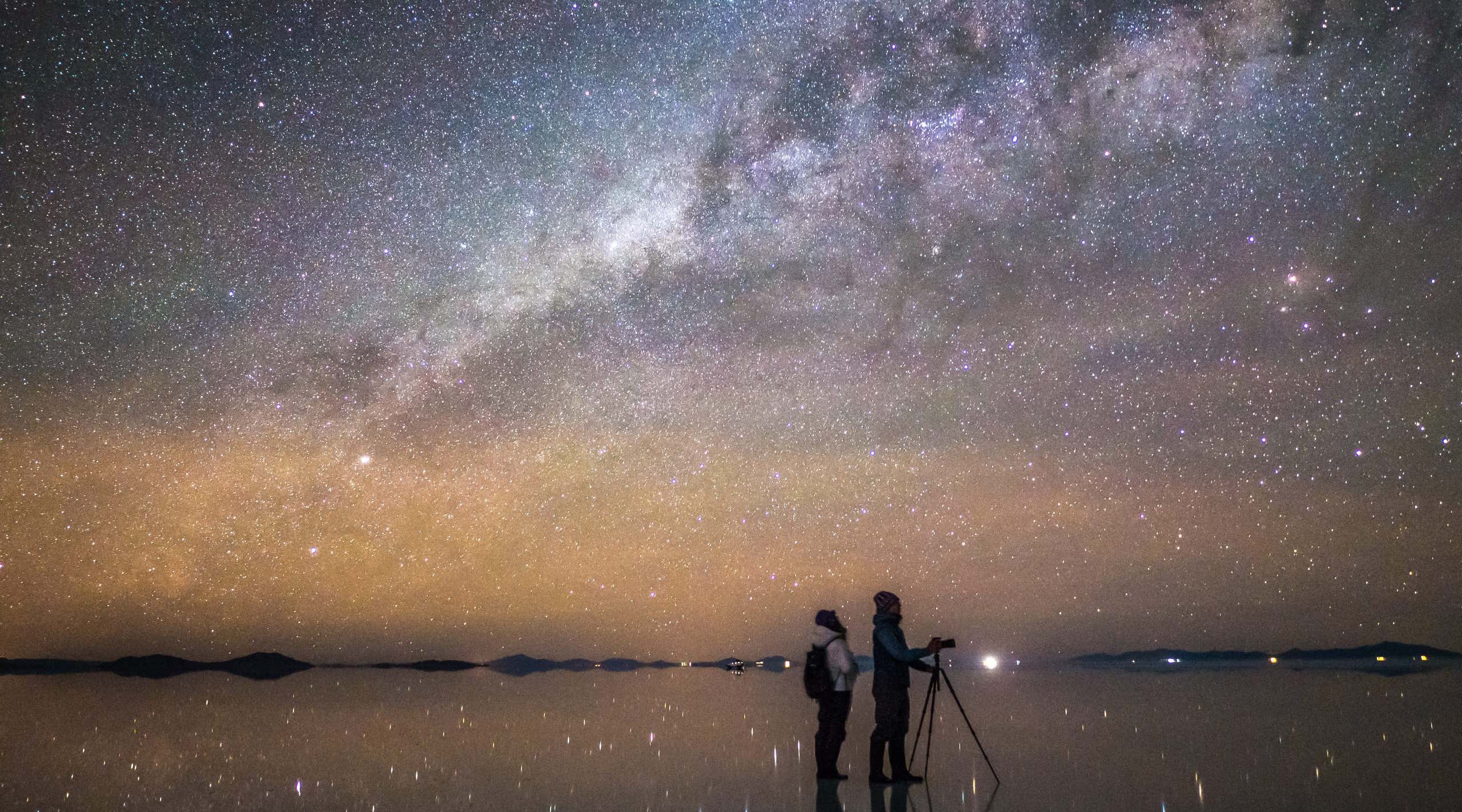
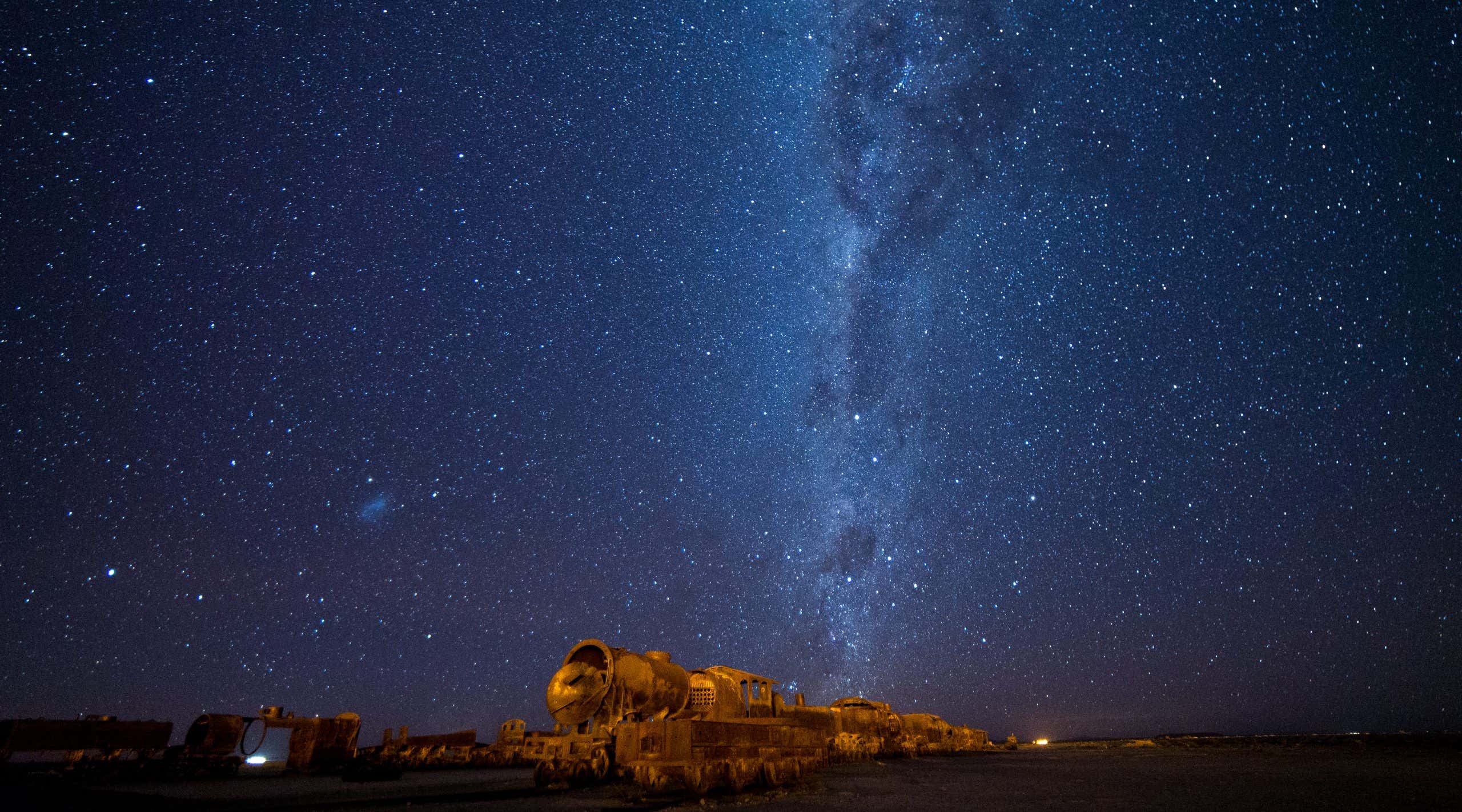
Beginning and ending in the vibrant, high-altitude capital of La Paz, where the southern skies come alive at the Max Schreier Planetarium. Journey to remote Andean observatories, including the legendary Chacaltaya Observatory, perched above 5,200 meters and famed for cosmic ray research, then continue to the San Agustín Remote Observatory in Cochabamba for hands-on astronomical exploration. Explore regional planetariums, such as Planetario Pléyades in Oruro, and culminate your trip with two unforgettable nights beneath the dazzling, unpolluted skies of the Salar de Uyuni, where the Milky Way stretches overhead like a glittering celestial mirror.
The tour is timed to coincide with the Eta Aquariid meteor shower, one of the year’s most active southern-hemisphere displays, caused by Earth passing through debris left by Halley’s Comet. From Bolivia’s high-altitude sites and the exceptionally dark skies of the Salar de Uyuni, you can expect fast, bright meteors radiating from Aquarius, with excellent visibility before dawn and minimal atmospheric interference.
Joined throughout by Jamie Carter who brings each night will being the sky to life with insightful talks, practical observing sessions and engaging discussions that connect modern science with cultural perspectives on the cosmos. From the latest discoveries in contemporary astronomy to the ancient observational traditions of Andean civilisations, Jamie’s expertise elevates this journey into both an educational and inspirational odyssey. In addition to Jamie, meet local experts who will offer insight into Bolvia’s wonderful culture and heritage.
This tour is perfect for astronomy enthusiasts, science lovers, photographers, cultural explorers and adventurous travelers who want to engage deeply with the universe above and the landscapes below. With a mix of observatory tours, hands-on sky watching, cultural encounters and expert guidance, you’ll return home with a new perspective on our place in the cosmos.
In partnership with Intrepid Travel.
DAY 1: ARRIVE IN LA PAZ
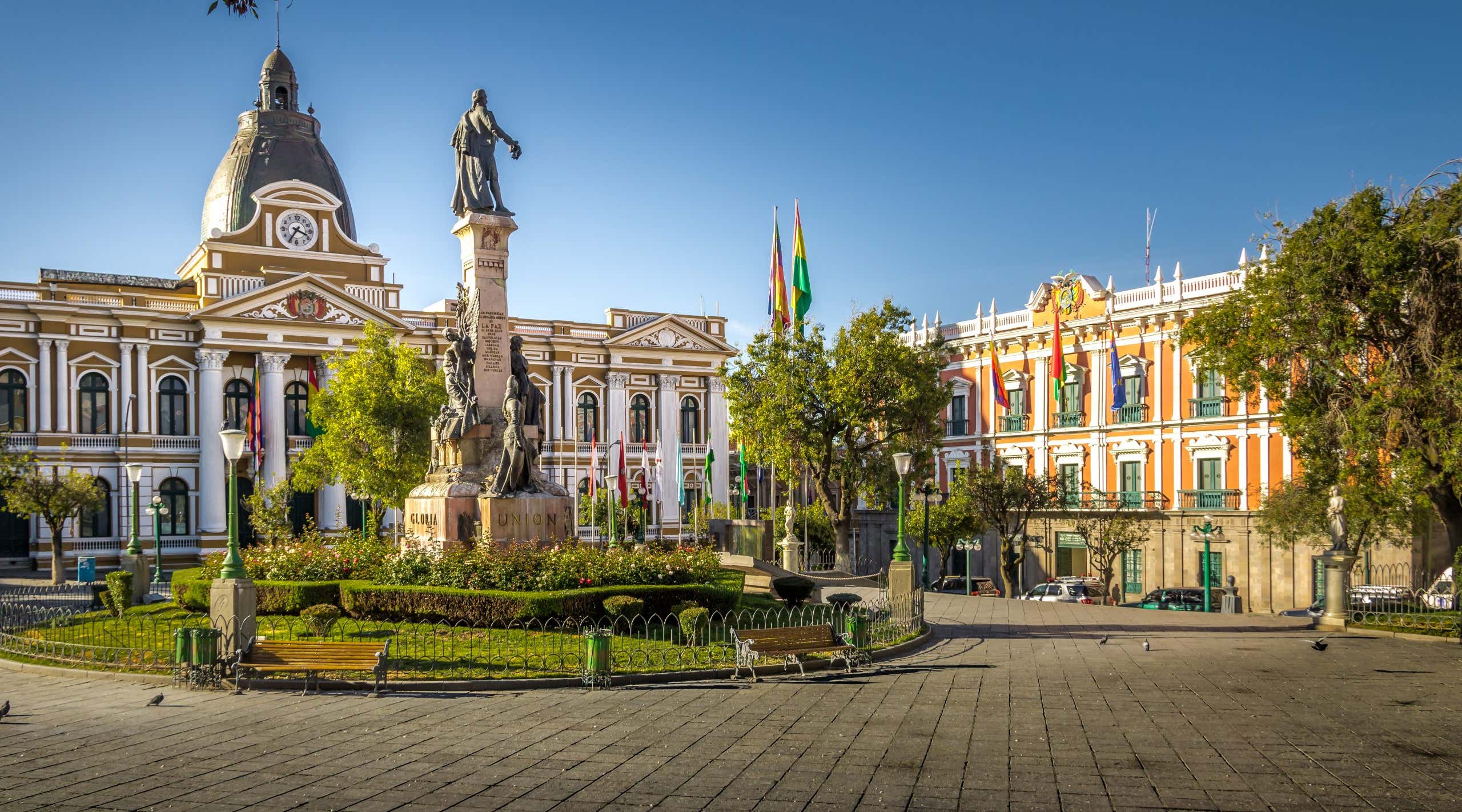
Arrive in La Paz, the world’s highest administrative capital, perched in a dramatic canyon of the Andes. The city’s steep streets, bustling markets and cable cars make it one of South America’s most striking urban landscapes.
Take the afternoon to relax and acclimatise to the high altitude.
In the evening, meet with Jamie, your tour leader, and the rest of the group for a welcome meeting followed by dinner.
DAY 2: SAN CALIXTO OBSERVATORY AND LA PAZ PLANETARIUM
Start the day at the San Calixto Observatory, a historic Jesuit-run site focusing on seismology, geomagnetism and meteorology, highlighting La Paz’s long-standing scientific tradition.
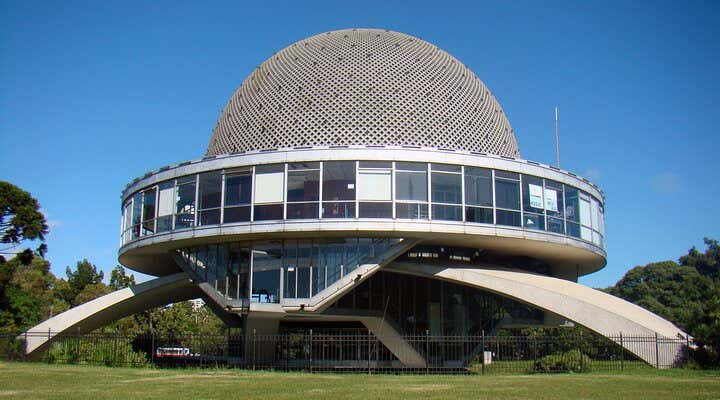
In the afternoon visit the Max Schreier Planetarium for a private presentation on the southern skies, connecting local and global astronomy. Jamie Carter will lead a discussion on atmospheric stability and observational science.
DAY 3: LA PAZ TO CHACALTAYA OBSERVATORY
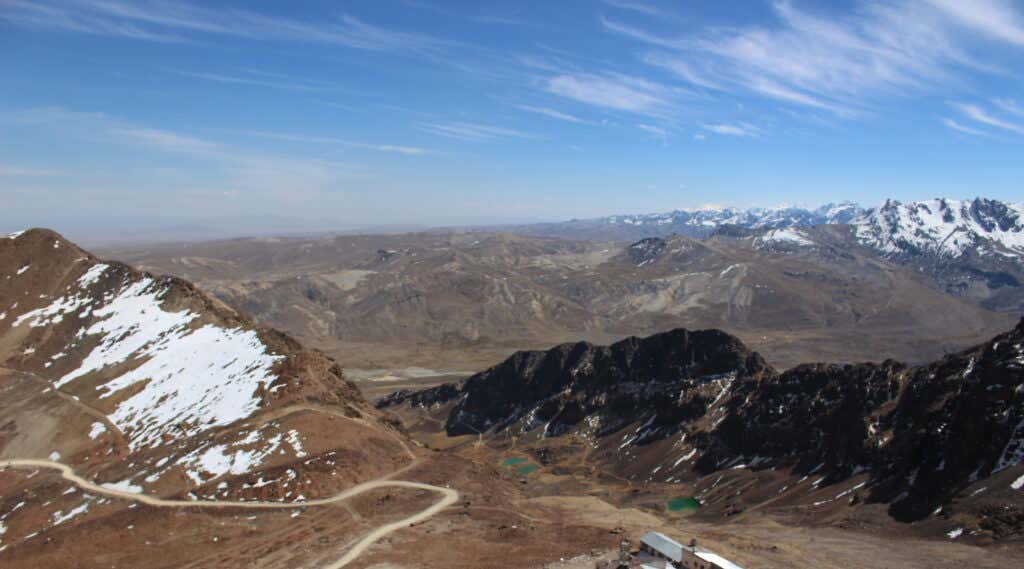
Travel to the Chacaltaya Observatory, perched at over 5,200 meters above sea level, once famous as the world’s highest ski resort and historically a key site for cosmic ray research and high-altitude atmospheric studies. Along the way, enjoy the dramatic ascent through the Andean mountains, observing glaciers, rugged peaks and the unique high-altitude ecosystem.
Return to La Paz in the afternoon, with optional stops for short walks or scenic viewpoints along the descent.
DAY 4: LA PAZ TO ORURO
Drive across the Altiplano to Oruro, a historic mining city known for its colonial architecture and famous Carnaval de Oruro, a UNESCO-listed festival blending indigenous and Catholic traditions.
Visit the Planetario Pléyades and Horca del Inca, an ancient site aligned with solar events. In the evening, joing a constellation walk connecting local cosmology to modern astronomy.
Driving distance 4 - 5 hours | 230 Kilometres
DAY 5: ORURO TO COCHABAMBA
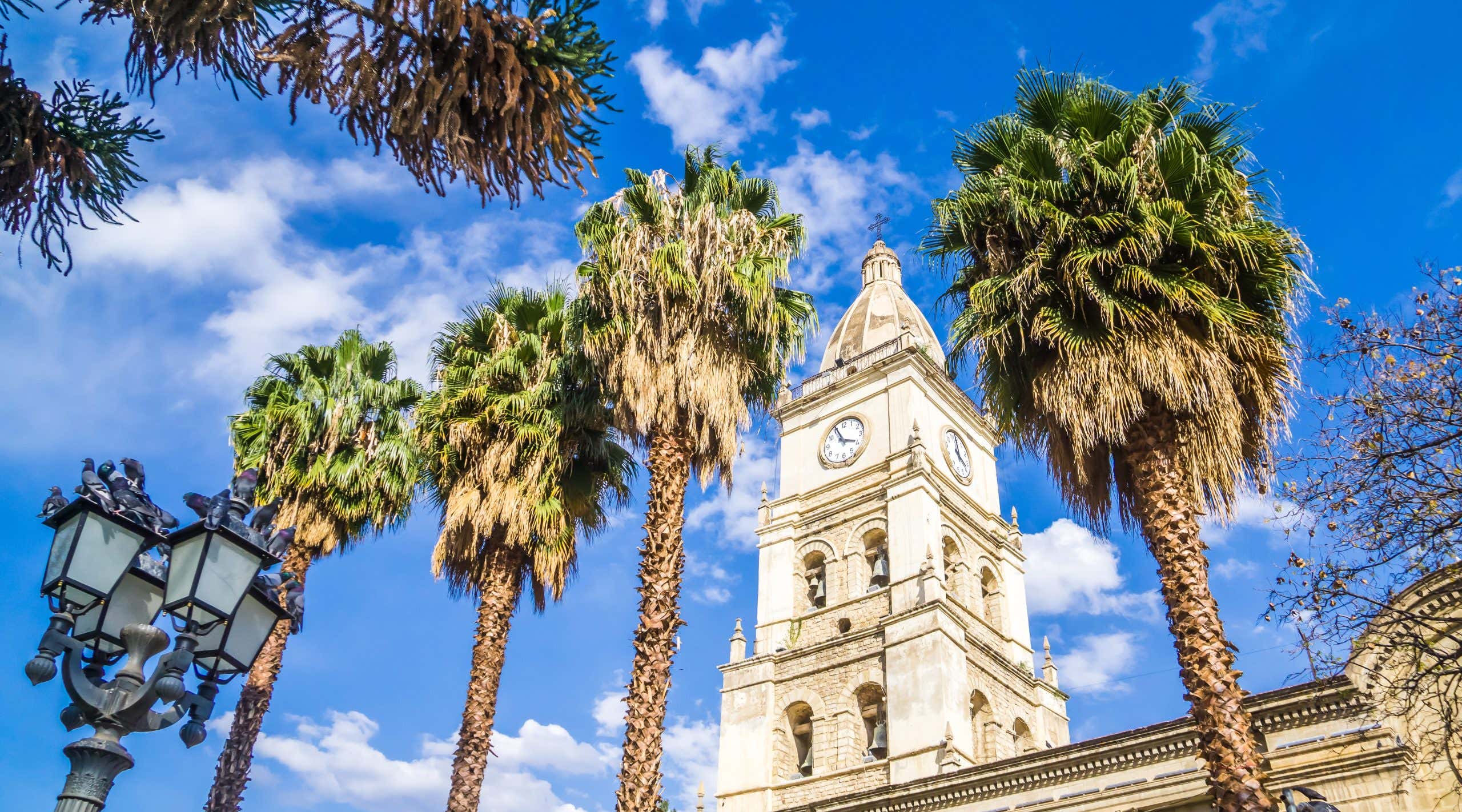
Today you will cross from the high-altitude plains into the fertile valleys of Cochabamba, often called the “City of Eternal Spring” for its mild climate and lush surroundings. The city is known for its plazas, lively markets and as a hub for modern Bolivian culture. Cochabamba combines Andean heritage with urban vibrancy and a mild climate, offering a refreshing contrast to the high-altitude cities of La Paz and Oruro.
Enjoy an evening session with Jamie that introduces observational astronomy in subtropical conditions.
Driving distance 6 - 7 hours | 280 Kilometres
DAY 6: SAN AGUSTÍN REMOTE OBSERVATORY
Visit the San Agustín Remote Observatory, one of Bolivia’s leading centres for astronomical research, astrophotography and public outreach. Explore the facility’s telescopes and learn how astronomers remotely monitor the night sky, capturing stunning images of galaxies, nebulae and star clusters.
Take part in hands-on telescope sessions and night-sky observing with Jamie Carter.
DAY 7: COCHABAMBA TO UYUNI AND EVENING STARGAZING
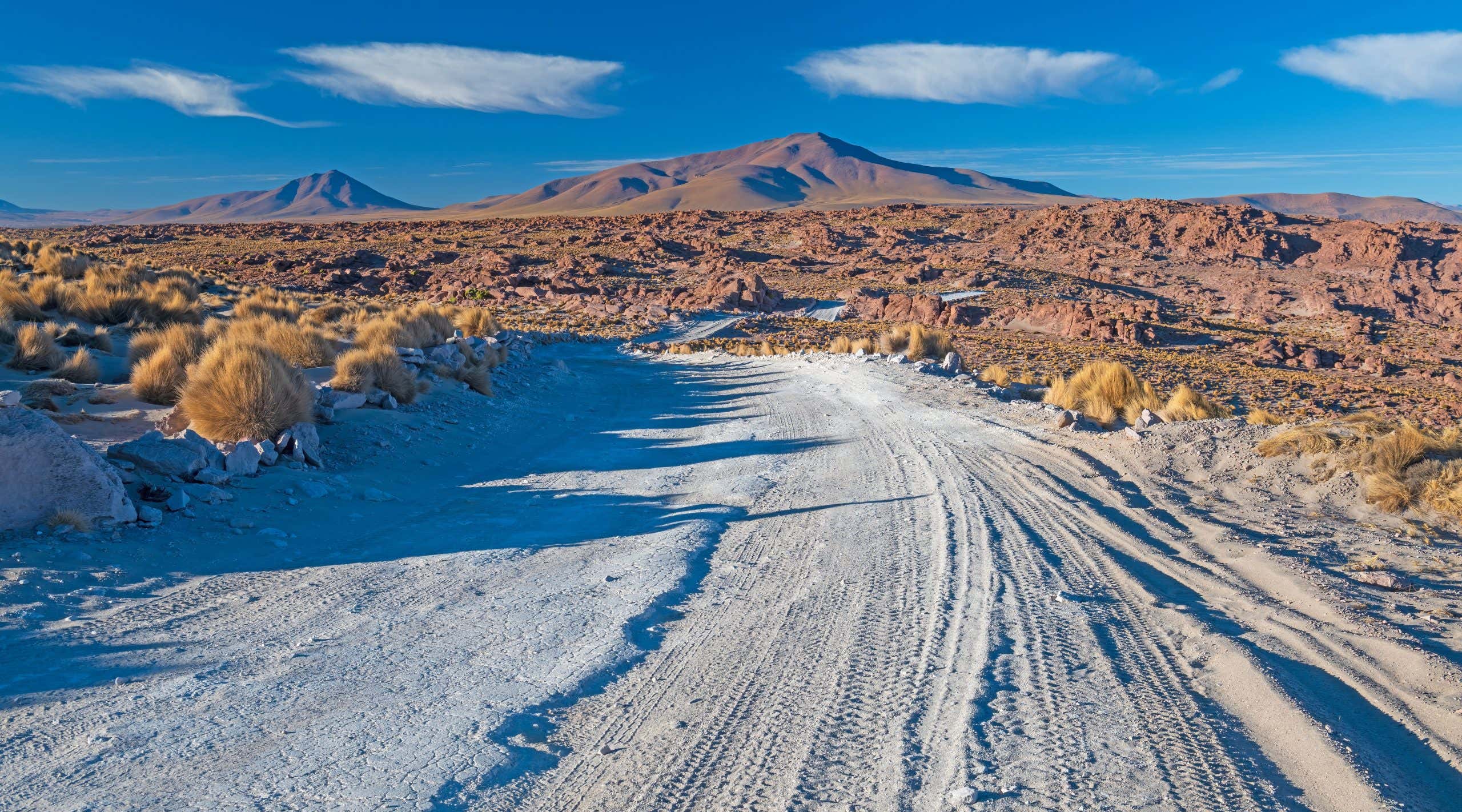
Depart Cochabamba early in the morning for the long but spectacular drive to Uyuni, a journey of between 8–10 hours. Along the way, stop at high-altitude villages to observe traditional Andean life, volcanic landscapes and mineral-rich mountains that reveal the region’s geology, and small lagoons that illustrate the Altiplano’s ancient lakes and ecological history.
In the late afternoon, visit Colchani village to see traditional salt harvesting before continuing on to the Salar de Uyuni, where the vast, flat landscape provides one of the clearest night skies on Earth. Conclude the day with an evening stargazing session, spotting the Milky Way, southern constellations and their reflections on the salt flats under the guidance of Jamie Carter.
Driving distance 8 - 10 hours | 380 Kilometres
DAY 8: FULL DAY AT SALAR DE UYUNI
Spend a full day exploring the Salar de Uyuni, the world’s largest salt flat, with its striking hexagonal salt crusts stretching endlessly to the horizon. Visit the incandescent volcanic islands, such as Incahuasi, dotted with giant cacti, and enjoy the surreal landscapes that shift from dazzling white to shimmering reflections after rain. The flat, open terrain offers incredible opportunities for photography, including mirror-like reflections of the sky, mountains and distant volcanoes.
As night falls, experience an unforgettable stargazing session under some of the clearest and darkest skies on Earth. With virtually no light pollution, the Milky Way, southern constellations and countless stars appear in breathtaking clarity, reflected subtly on the salt’s surface. Jamie Carter will guide you through the night sky, explaining celestial features and helping you connect the ancient and modern understanding of astronomy.
DAY 9: SUNRISE AT SALAR DE UYUNI AND FLY TO LA PAZ
Wake early to experience the Salar de Uyuni at sunrise when the vast salt flats shimmer with golden and pink hues and mirror-like reflections create unforgettable photographic opportunities. Take a short morning walk or explore hexagonal salt patterns, distant volcanoes and isolated islands before departing Uyuni.
Transfer to Uyuni airport for a domestic flight to La Paz taking around 1 hour.
Arrive in La Paz in the evening for a farewell dinner, celebrating the week’s astronomy adventures, cultural experiences and the awe-inspiring Andean landscapes.
DAY 10: DEPARTURE FROM LA PAZ
Transfer to La Paz airport for your departure.