
6 May 2027 - 7 days for £3,695 per person
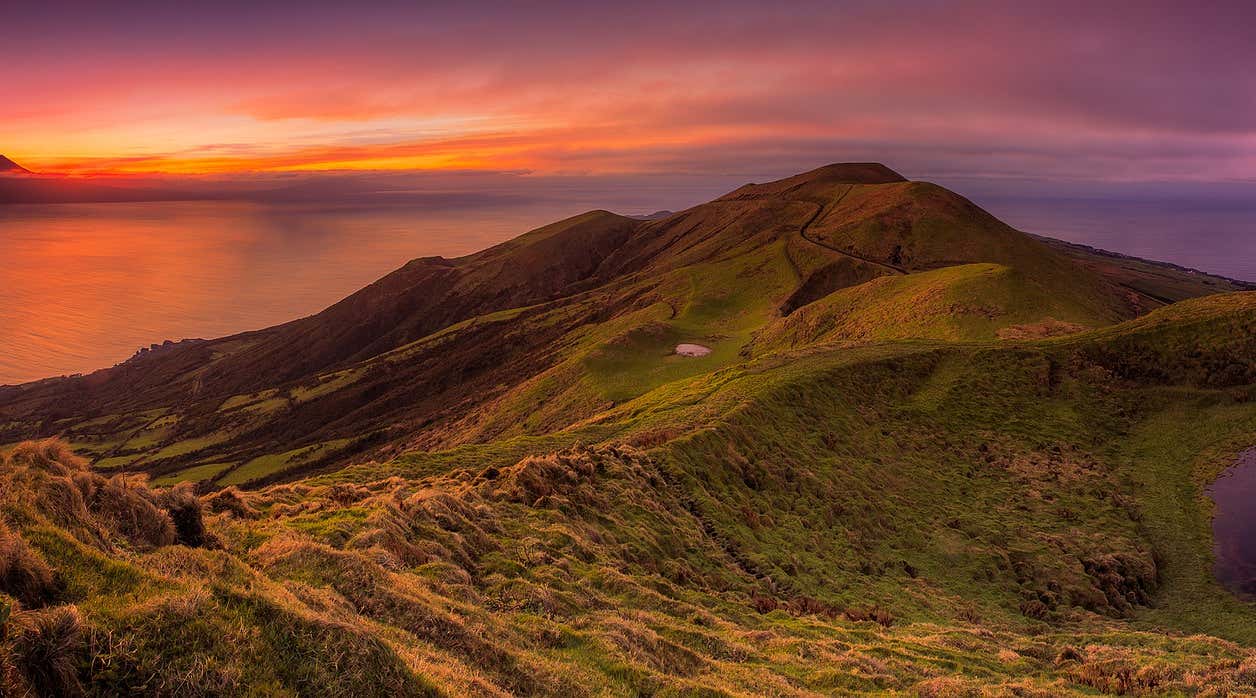
Experience the hidden paradise of the richly biodiverse Azores islands, know as the 'Hawaii of the Atlantic'. A third of all whale and dolphin species pass through The Azores or are resident making it the most diverse whale-watching site on Earth. Led by Dr Russell Arnott, this tour blends hands-on science, conservation insight and unforgettable wildlife encounters in one of Europe’s richest marine environments.
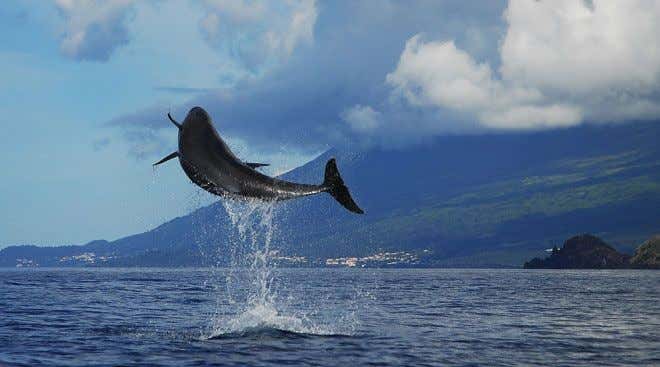
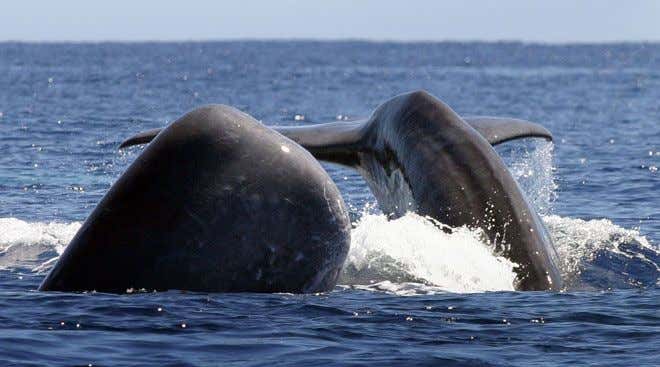
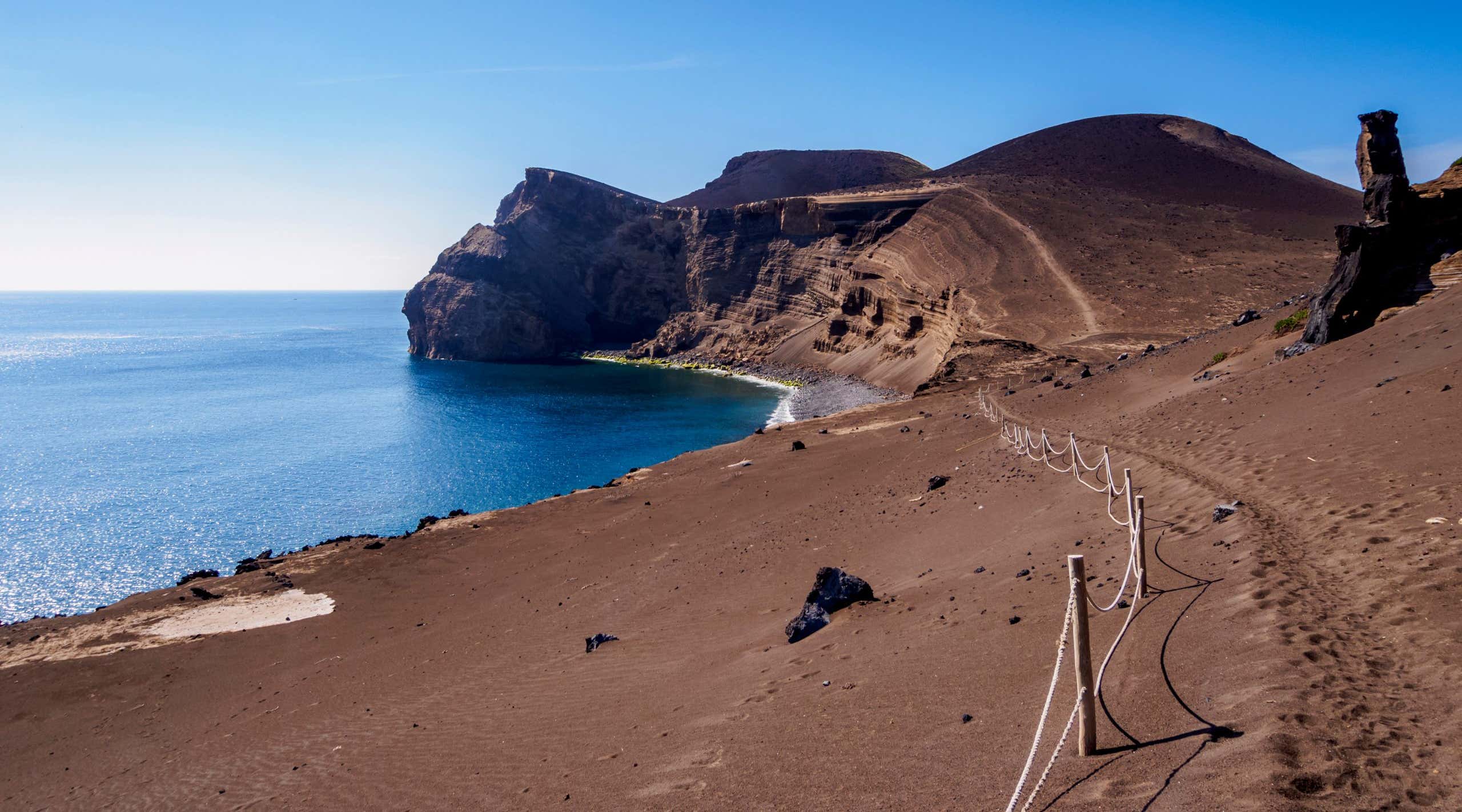
May is one of the best months for marine wildlife in The Azores. Your time is split between land and sea. Boat-based excursions focus on locating large whales and dolphins, with regular sightings of blue, fin, humpback and sei whales, as well as Risso’s, spotted and striped dolphins. On land, investigate seabird colonies including the world's largest colony of Cory Shearwaters. You will also explore the otherworldly landscape of the Capelinhos volcano – a dramatic natural laboratory revealing how life returns and ecosystems rebuild after a volcanic eruption.
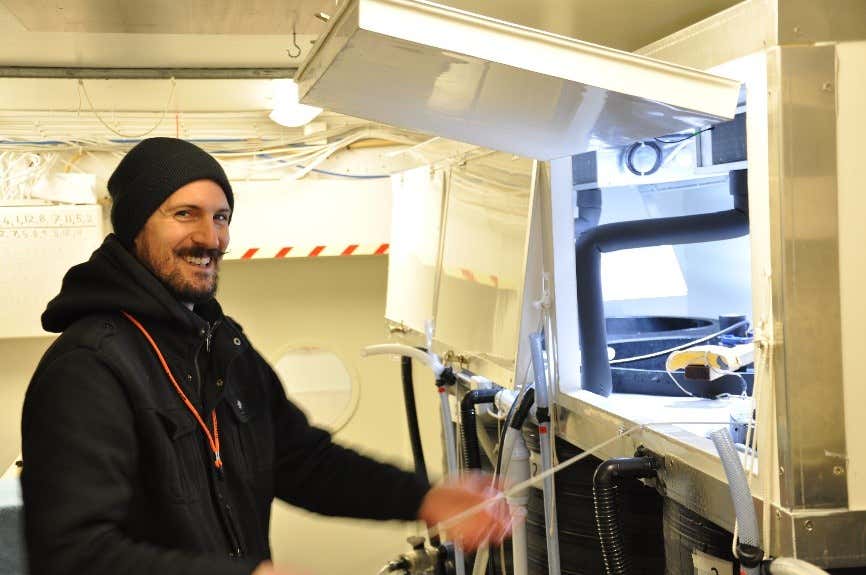
Throughout the tour, you’ll be accompanied by marine biologist and oceanographer Dr Russell Arnott, whose infectious curiosity and deep expertise transform every sighting into a story, offering fascinating insights into whales, dolphins and marine life while revealing how scientists study, understand and work to protect the ocean’s living systems. Daily discussions explore animal intelligence, cetacean communication, current conservation challenges and the methods researchers use to study wide-ranging marine species. Russell with also be giving a series of lectures focusing on:
- Marine biodiversity of The Azores
- Cetaceans of The Azores
- Deep sea Azores: where geology meets marine life
This tour is ideal for those with an interest in marine biology, oceanography, conservation science and ornithology, who want to deepen their understanding of marine ecosystems while experiencing one of Europe’s most dynamic natural environments.
In partnership with Intrepid Travel.
DAY 1: ARRIVE IN FAIAL AND MEET RUSSELL ARNOTT
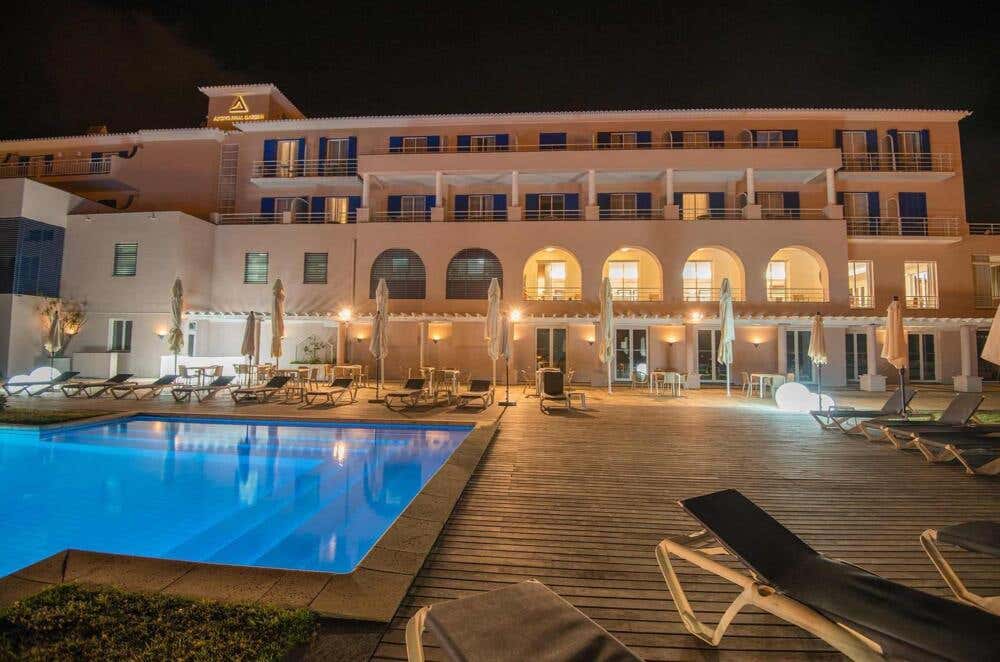
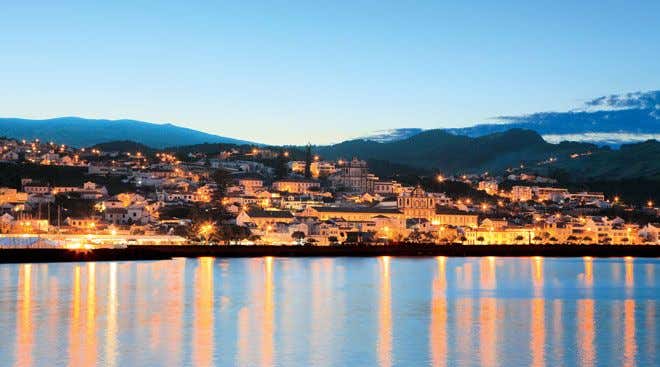
Welcome to the Azores. Check in to the four-star Hotel Azoris Faial Garden in Horta.
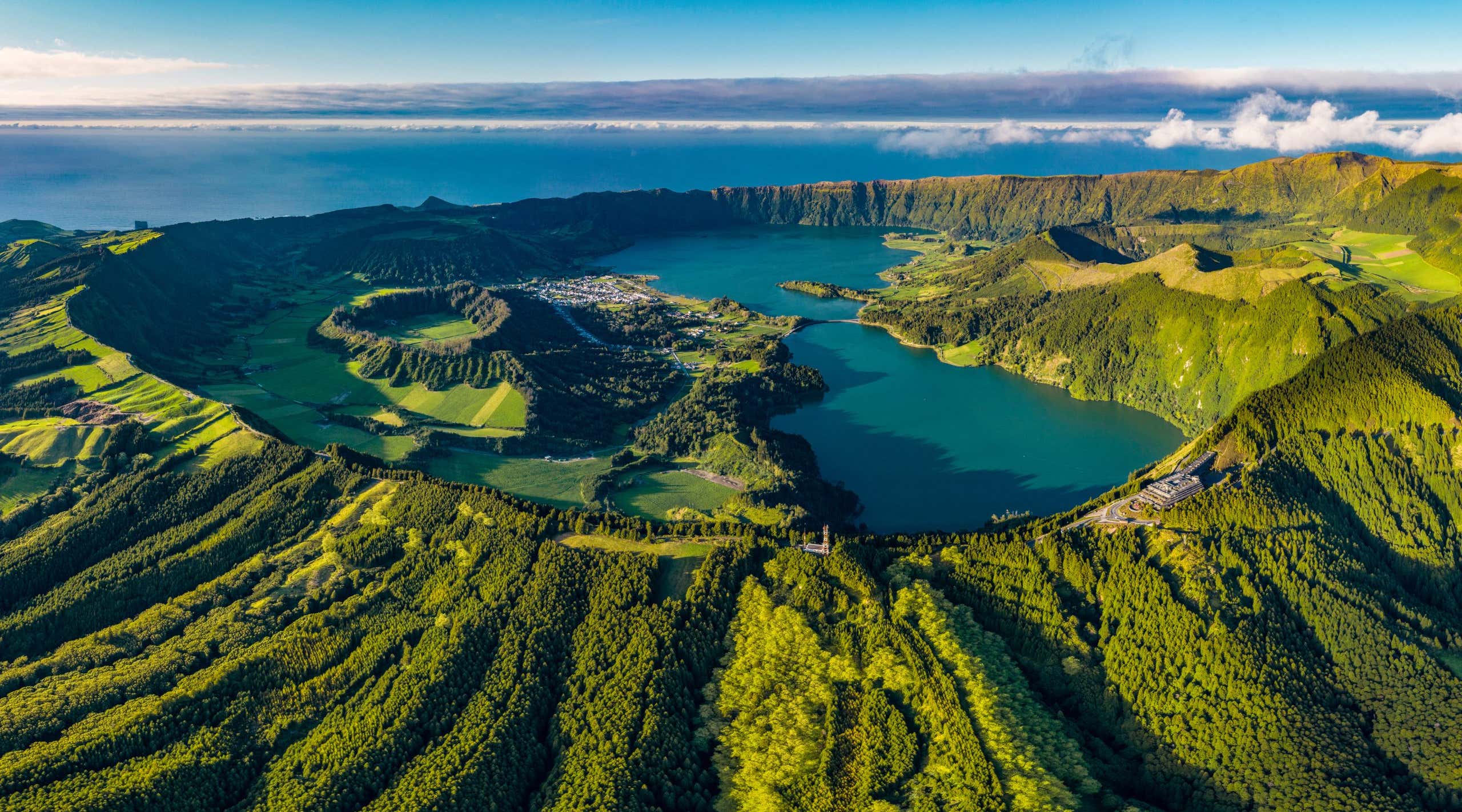
The island of Faial is a natural crossroads of science and history in the Azores, lying roughly 1,500 km west of mainland Portugal in the heart of the north Atlantic. The oldest part of this volcanic island is found near Ribeirinha on the eastern side of the island, and dates back 800,000 years. Today, the island is structured around a large central volcano, the Caldeira, formed more than 10,000 years ago.
Your tour leader will hold a short welcome meeting in the early evening to go through the plans for the week, then the accompanying marine biologist Russell Arnott will give the first of three talks before joining you for dinner.
Marine biodiversity of The Azores – an introduction to the culture and biogeography of the islands, helping us to better understand the processes that have allowed for an explosion of biodiversity.
DAY 2: MARINE BIOLOGY RESEARCH AT SEA AND EVENING CORY'S SHEARWATER EXCURSION
Today and on day 4, you will spend time at sea going behind the scenes with researchers and biologists from the universities of Lisbon and The Azores to spot whales, dolphins, turtles and birds. You will learn about global conservation efforts and how data is shared as you help collect and measure microplastics in the ocean, as well as acoustic records of the different whales and dolphins in the nearby waters.
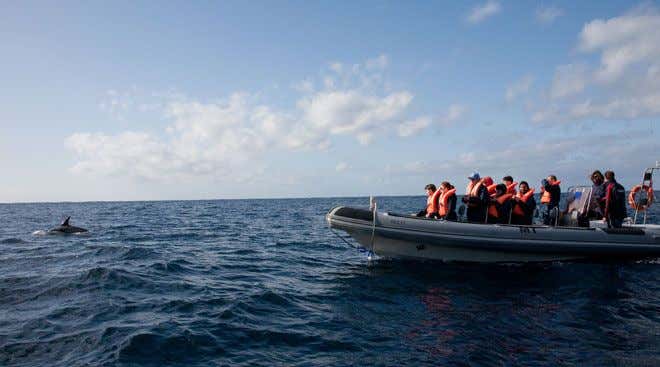
The duration of the time at sea will depend on where the marine species are to be found on the day and the weather forecast. On each day, the aim is to enjoy two three-hour expeditions aboard Zodiacs, which are small, highly manoeuvrable semi-rigid boats. The captains will be guided by "spotters" ashore and will adhere strictly to responsible codes of practice for whale watching.
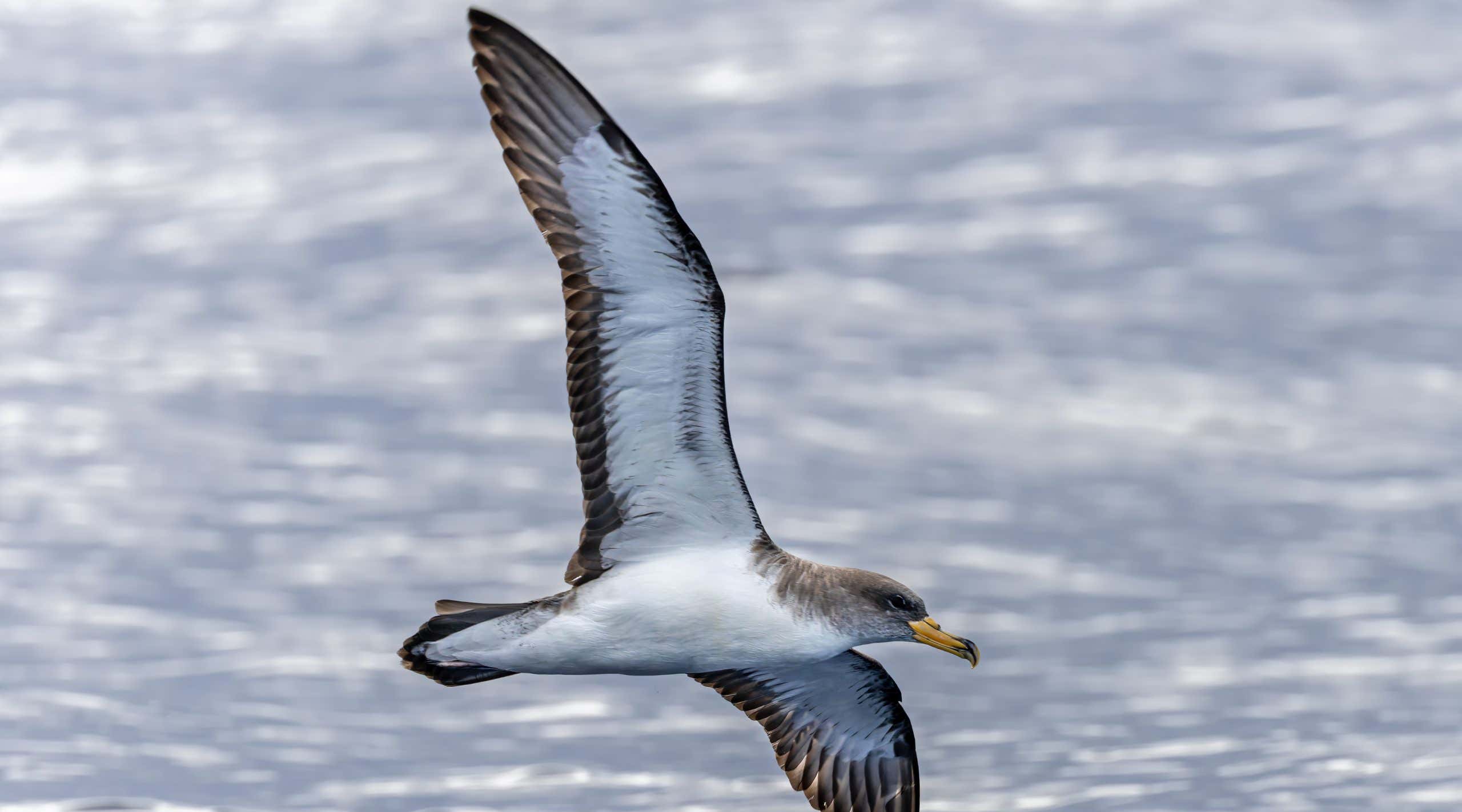
In the evening, you will visit the largest colony of Cory's shearwater in Faial with a local biologist. From late spring to late summer, 80% of the world’s population of Cory’s Shearwater (Calonectris borealis) nests in The Azores. They can easily be spotted flying along the coast or just floating at sea, but it is at nightfall that they reserve their greatest show, the Shearwater’s song.
Watch the sunset and see these seabirds fly into their nests with their loud vocalisations and mating behaviours.
DAY 3: CALDEIRA AND THE CAPELINHOS VOLCANO
After breakfast, you will be picked up to travel by private road vehicle, led by a local biologist guide, to explore Faial's secrets with two major stops, central Caldeira and the unique lunar landscape of the Capelinhos volcano.
There will be short walks at each site plus a visit to the Museum of the Capelinhos Volcano. This building was constructed underground, so it wouldn’t interfere with the pre-existing landscape, allowing you to fully enjoy this recent volcanic landscape originated by the eruption of 1957/58.
In the evening, Russell will give a second talk:
Cetaceans of The Azores – an insight into the array of whales and dolphins we're likely to see, full of fascinating facts and current research that helps you better understand each species when we see them in the wild.
DAY 4: FURTHER EXPLORATION BY SEA
You will return to sea by Zodiac again, for two 3-hour sessions with local researchers and biologists to observe whales and dolphins while learning about their behaviour, migratory patterns and the work undertaken by the local scientists to understand and protect them.
Then in the evening Russell will give a third talk:
Deep sea Azores: where geology meets marine life – linking the fascinating geology of The Azores to ocean processes, we explore the amazing deep ocean hydrothermal ecosystems that exist in the waters around the islands.
DAY 5: TRAVEL TO AND EXPLORE PICO ISLAND
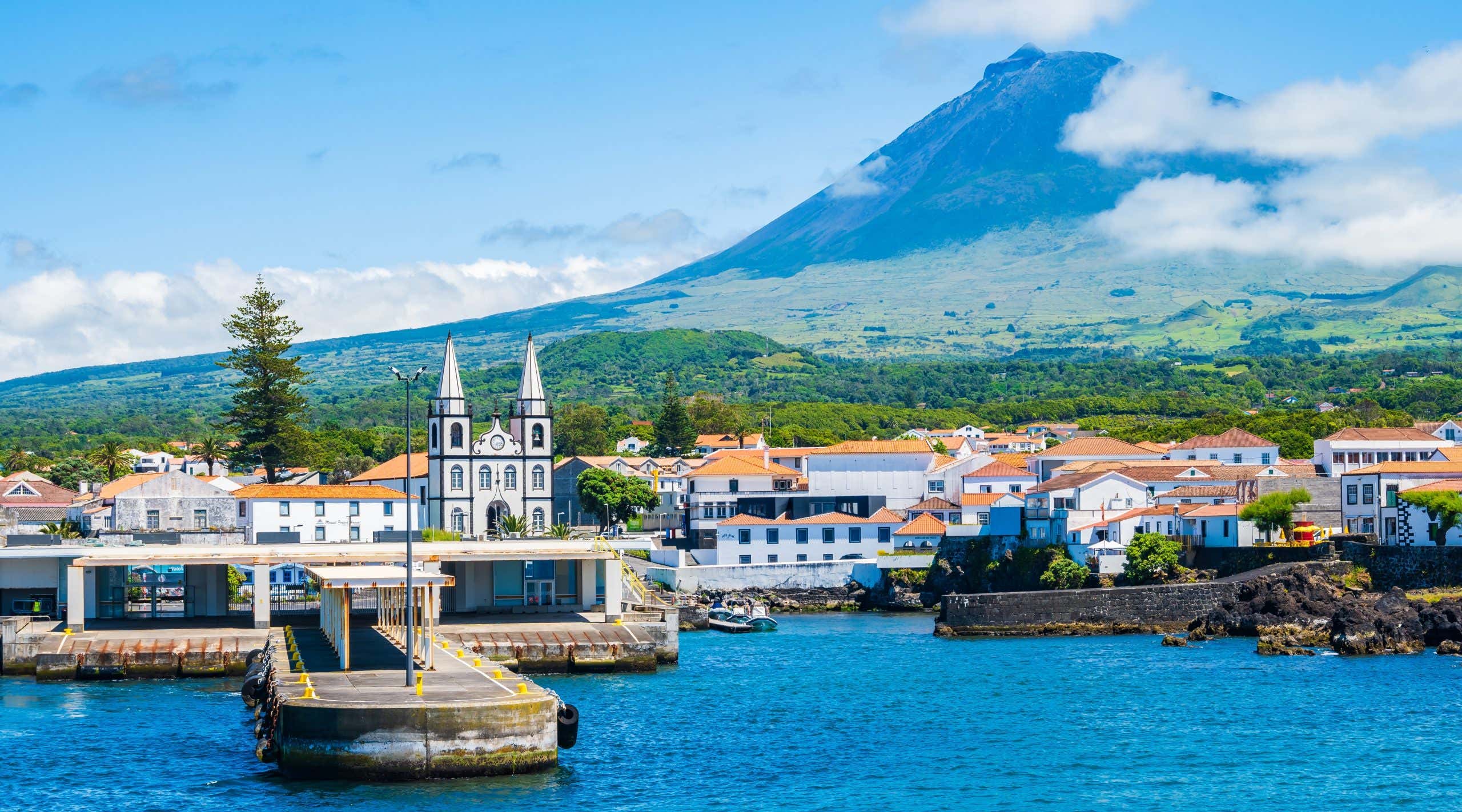
After a 30-minute ferry ride, you will enjoy a full day landscape-and-culture tour of nearby Pico Island and its UNESCO-protected landscape. You will visit different habitats on Pico, including freshwater lakes, the largest saltwater marsh area in the three central islands and the largest endemic forest in The Azores.
Lunch is included, plus a vineyard visit and tasting, where you will learn how volcanic viniculture impacts the flavours of local wines.
There will be short walks at each point today.
DAY 6: MORNING WHALE EXCURSION AT SEA
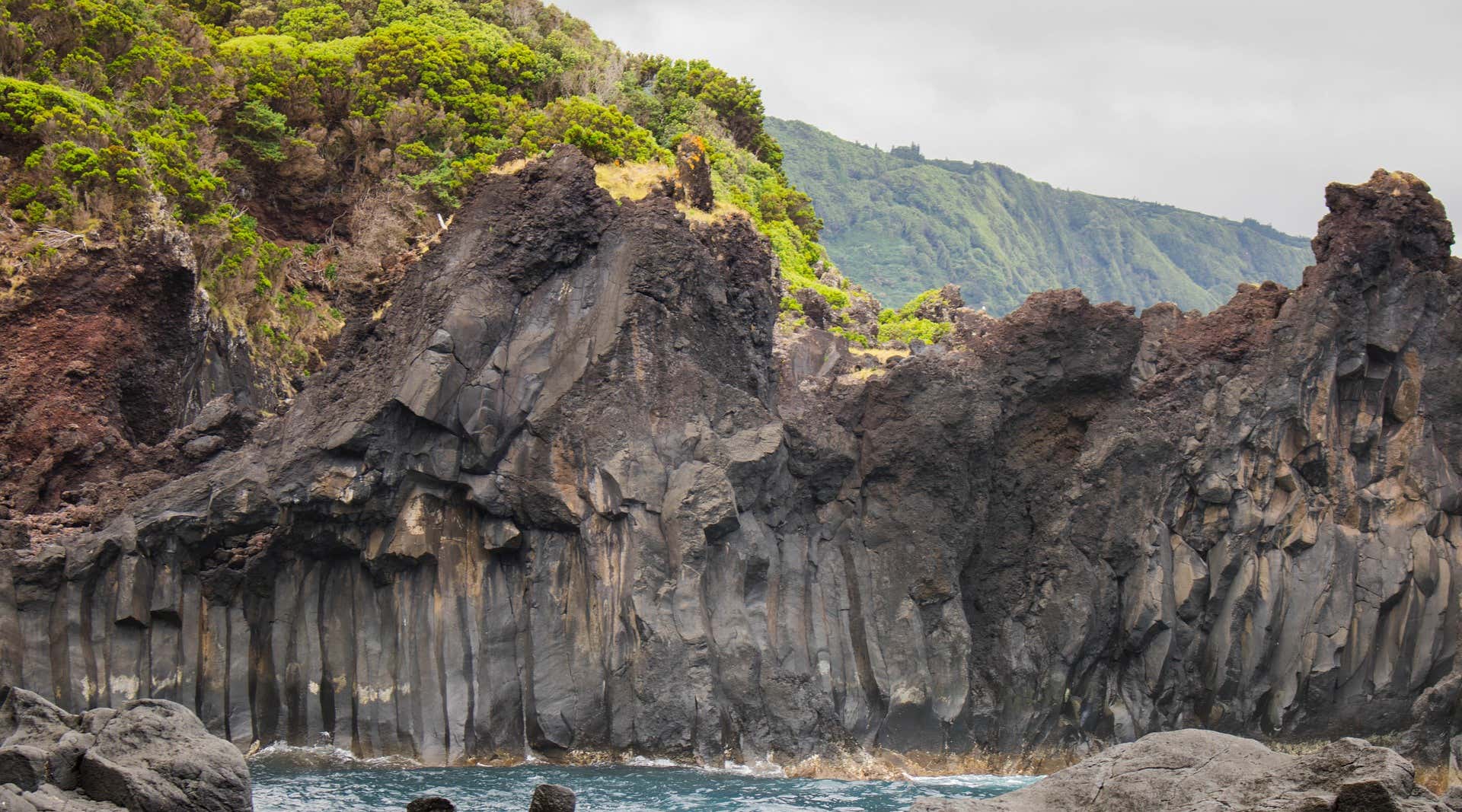
In the morning you will head out to sea for a more leisurely excursion that will explore more of Faial’s coastline to view the contrast between the deep blue of the sea, the green of the fields and the black of the volcanic rock, along with further sightings of whales and dolphins in the vicinity.
After all the exploration by land and sea, the afternoon is at your leisure before a farewell meal for the group hosted by the tour leader.
DAY 7: DEPART THE AZORES
On the final day of your Azorean adventure, there are no activities planned. A group transfer will be provided to Horta airport, where you can return home via Lisbon.
Please note: None of the sea trips are mandatory and it is up to you how many you partake in. Sometimes the midday break has to be cut short if there are some particularly interesting sightings to be viewed. The ribs are designed with safety and speed to sightings in mind, so can be a little uncomfortable in choppy seas. You will get the most out of these excursions if you enter them with a spirit of adventure and remember nature is ultimately in charge.
FAQs
WILL I LEARN ABOUT MARINE CONSERVATION?
Yes, during this tour, in addition to talks by marine biologist Russell Arnott, you will be joined by researchers from the University of Lisbon, who will teach you about global conservation efforts and how data is shared, as you help collect and measure microplastics in the ocean as well as acoustic records of the different whales and dolphins in the nearby waters. You will also gain an insight into the work critical for our understanding of our impact on the oceans, with the data you collect forming yet another important piece of the puzzle.
HOW WILL I BE INVOLVED IN THE WHALE RESEARCH?
With help and guidance from local researchers and biologists, you will be required to observe whales and dolphins, which will help us learn about the species behaviour and migratory patterns. This information will then be passed onto local scientists to understand and protect these animals.
WHAT WILL HAPPEN ON A TRADITIONAL DAY AT SEA?
On each day, the aim is to enjoy two 3-hour expeditions aboard Zodiacs, which are small, highly manoeuvrable semi-rigid boats. The duration of the time at sea will depend on where the marine species are to be found on the day and the weather forecast. We are working with a highly proactive and flexible sea expedition company who will tailor the experience to the prevailing conditions. This might mean that the schedule is arranged on the fly, to ensure you have the best opportunity throughout the tour to see as many species as possible.
WHAT WILDLIFE CAN I EXPECT TO SEE ON THIS TOUR?
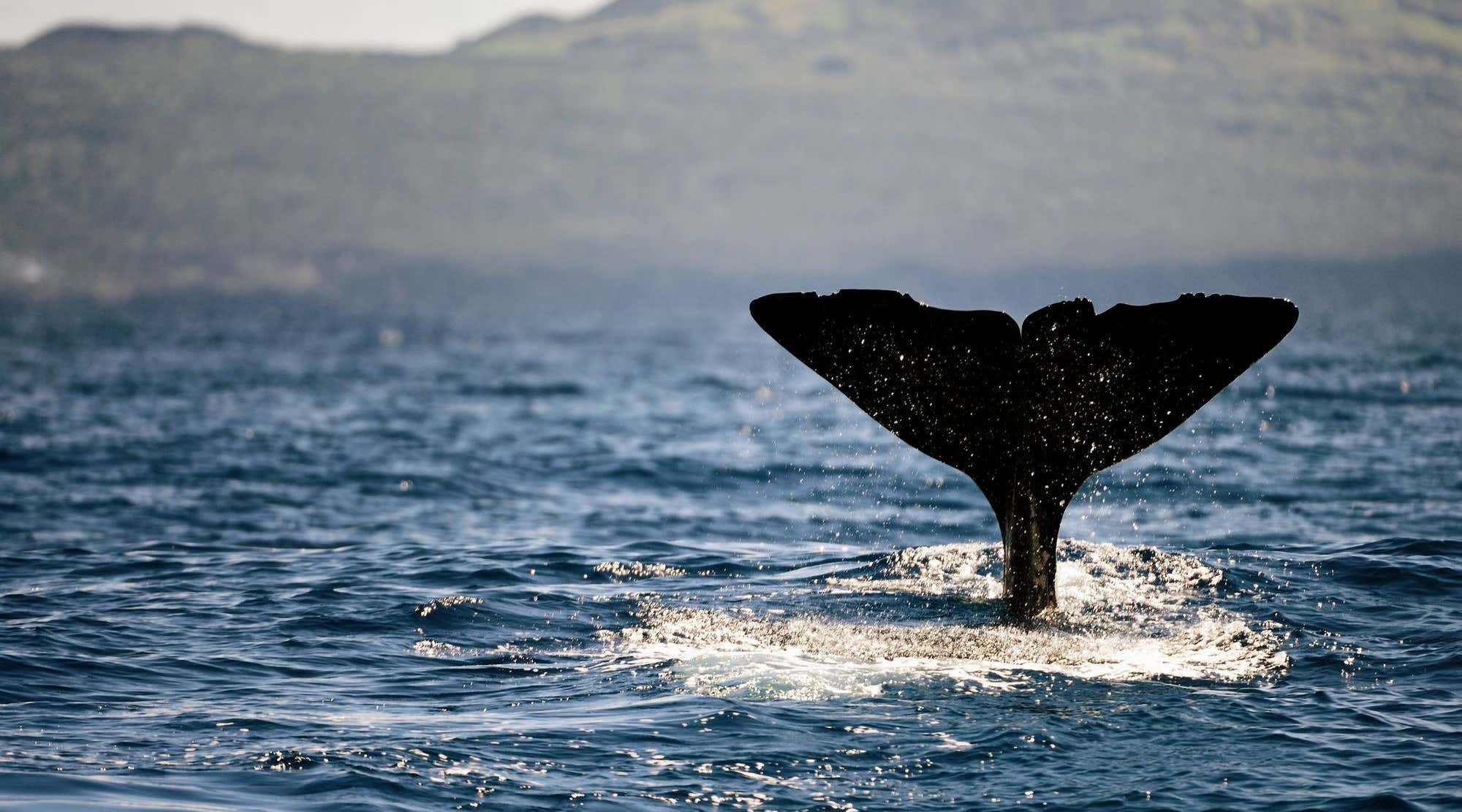
While wildlife sightings can never be guaranteed, May is a wonderful time to encounter migrating blue whales, fin whales, sei whales and humpback whales. The islands boast resident populations of sperm whales, bottlenose dolphins, common dolphins, Risso's dolphins, and rarer species such as spotted and striped dolphins are often seen. On past tours, we have also encountered orcas and the rare Sowerby's beaked whale as well as green sea turtles and the charismatic Portuguese man-o-war. For ornithologists, Cory's shearwaters are frequently seen as well as an array of other birds such as the Monteiro's storm petrel and roseate terns.