

Booking information
Register below to be amongst the first to hear when we go on sale
15 July 2028 – 12 days
Register your interest now. Places are limited and expected to sell quickly. We’ll be in touch with confirmed dates and pricing as soon as they’re available.
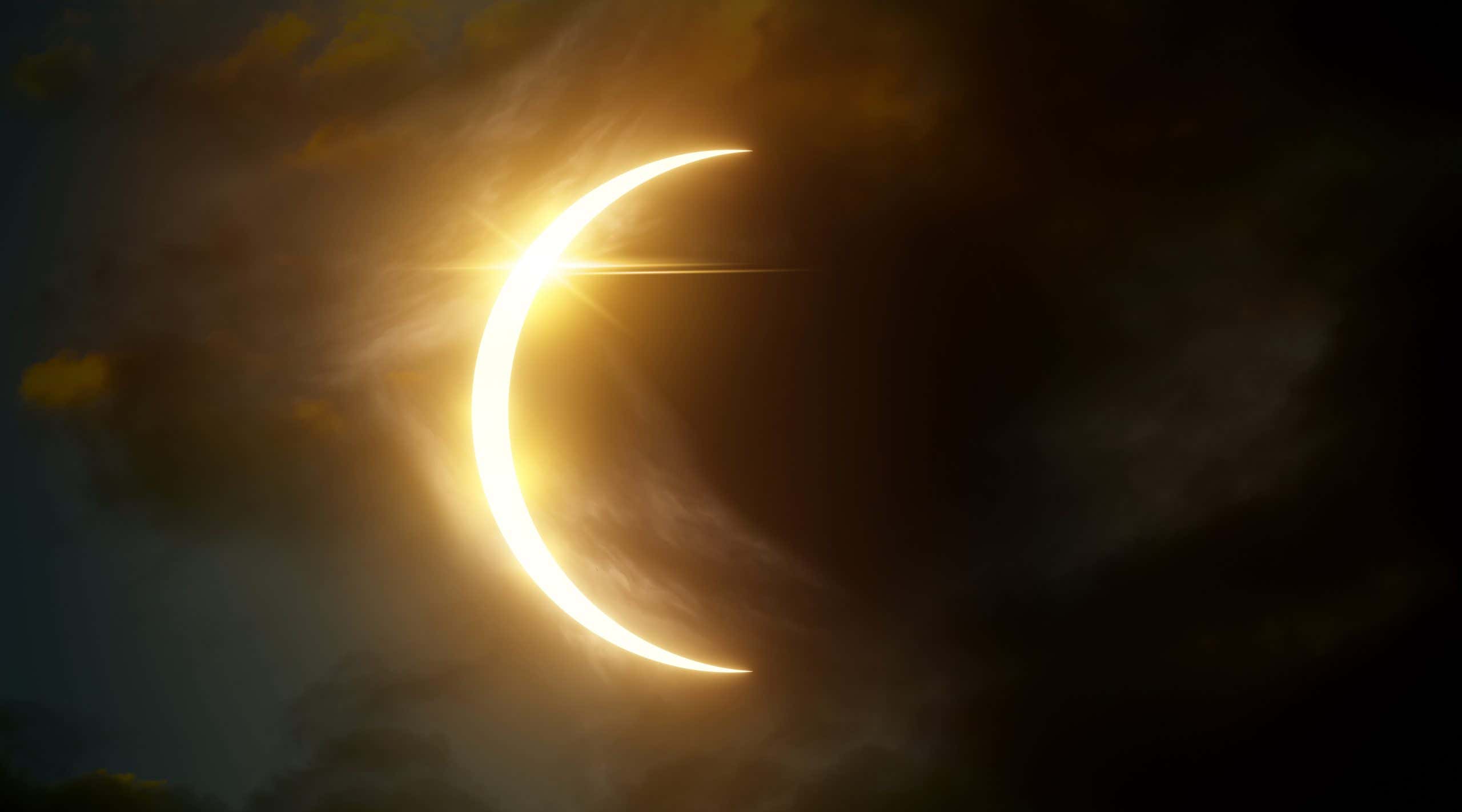
Set sail on the ultimate astronomy cruise along Australia’s wild Kimberley coast to witness the total solar eclipse in July 2028. From the deck of a luxury expedition vessel positioned right within the line of totality, enjoy an unobstructed, panoramic view of this extraordinary celestial event.
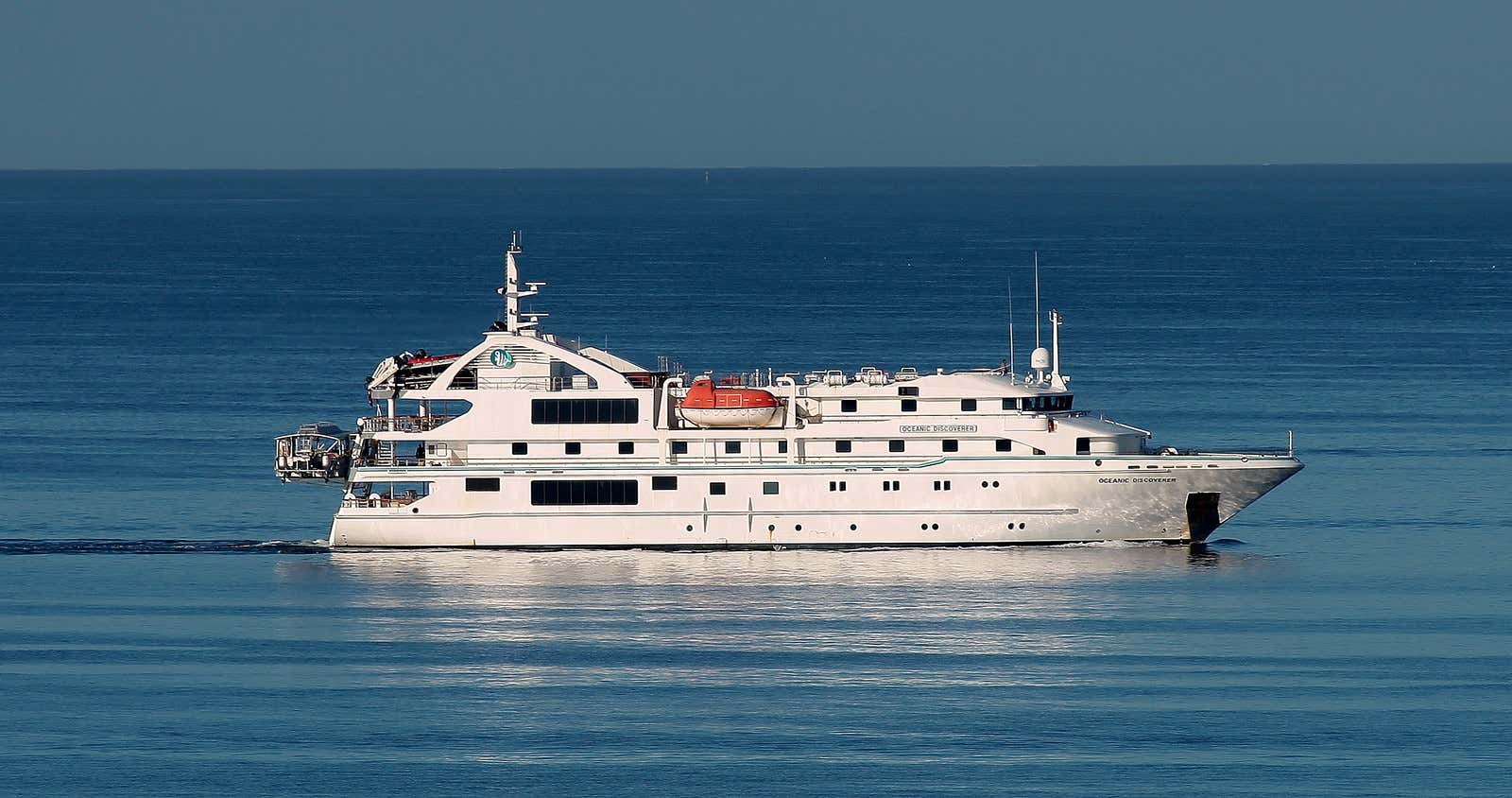
Join New Scientist on an incredible expedition to witness a total solar eclipse lasting over 5 minutes – a rare and breathtaking event – on a remote island off the Kimberley coast. This voyage blends cutting-edge science with raw natural beauty, all aboard the Coral Discoverer, a luxurious expedition vessel chartered exclusively for New Scientist guests.
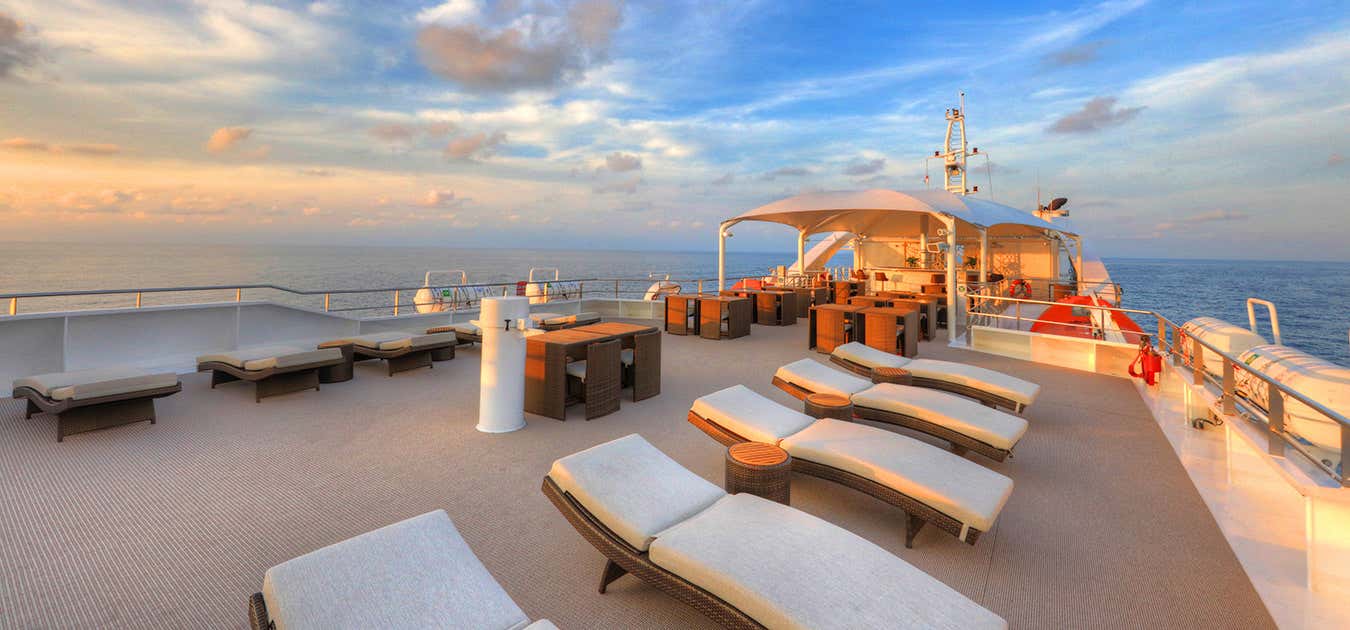
Cruise past dramatic gorges, pristine beaches and rugged cliffs, far from city lights, as the sky darkens in full brilliance. Along the way, benefit from expert-led briefings, guided stargazing and immersive insights into the science of eclipses, all while exploring one of the world’s most spectacular and untouched natural landscapes. There are just 68 berths available on this intimate expedition ship.
You will be accompanied by a renowned astronomer Martin Griffiths. Throughout the voyage, Martin will deliver fascinating talks on astronomy, the science of eclipses and the celestial wonders visible along your route. Before the main event, enjoy a detailed eclipse briefing, ensuring you understand what to expect and how to get the best possible viewing experience. Plus there is a highly an engaging on-board expedition team, who will help you understand and explore the stunning Kimberley landscape. Their passion and expertise will enrich every moment of your journey, both on deck and under the stars.
In partnership with Intrepid Travel.
LIFE ON BOARD
Each day brings new discoveries. You’ll journey to remote bays and rivers aboard the ship’s Xplorer tender or Zodiacs, with short hikes and guided excursions ashore. On board, enjoy engaging presentations designed to deepen your understanding of the Kimberley’s natural and cultural heritage.
Relaxed and informal, life on board is designed for comfort and curiosity. Meals are casual and you’re free to join activities as you wish. A daily newsletter will be delivered to your cabin each evening, outlining the next day’s adventures, and the Expedition Leader will preview the highlights during pre-dinner drinks.
You will be able to visit the ship's bridge to observe the operations and our experts will be mingling throughout the journey ready to chat, share insights and enjoy the experience alongside you.
DAY 1: ARRIVE IN DARWIN
You will be met on arrival in Darwin and transferred to the centrally located hotel where you will check in. The remainder of the day is at your leisure.
In the evening, meet the New Scientist team for a welcome briefing. The evening is yours to relax before the adventure begins.
DAY 2: DEPART DARWIN EMBARK ON THE CORAL DISCOVERER
After breakfast, your adventure begins with a transfer to Darwin’s Fort Hill Wharf, where the Coral Discoverer awaits. Step aboard and settle into your state room. Enjoy a light breakfast as you set sail across Joseph Bonaparte Gulf, entering the remote waters of Western Australia. Take time to explore the ship’s facilities and meet your fellow travellers.
In the evening, gather in the bridge deck lounge and meet with the New Scientist team and on-board expedition crew for an introduction talk, which will cover the Kimberley and its geology, ecology and cultural heritage. As the sun dips below the horizon, toast the journey ahead at the captain’s welcome drinks.
DAY 3: KOOLAMA BAY AND KING GEORGE RIVER
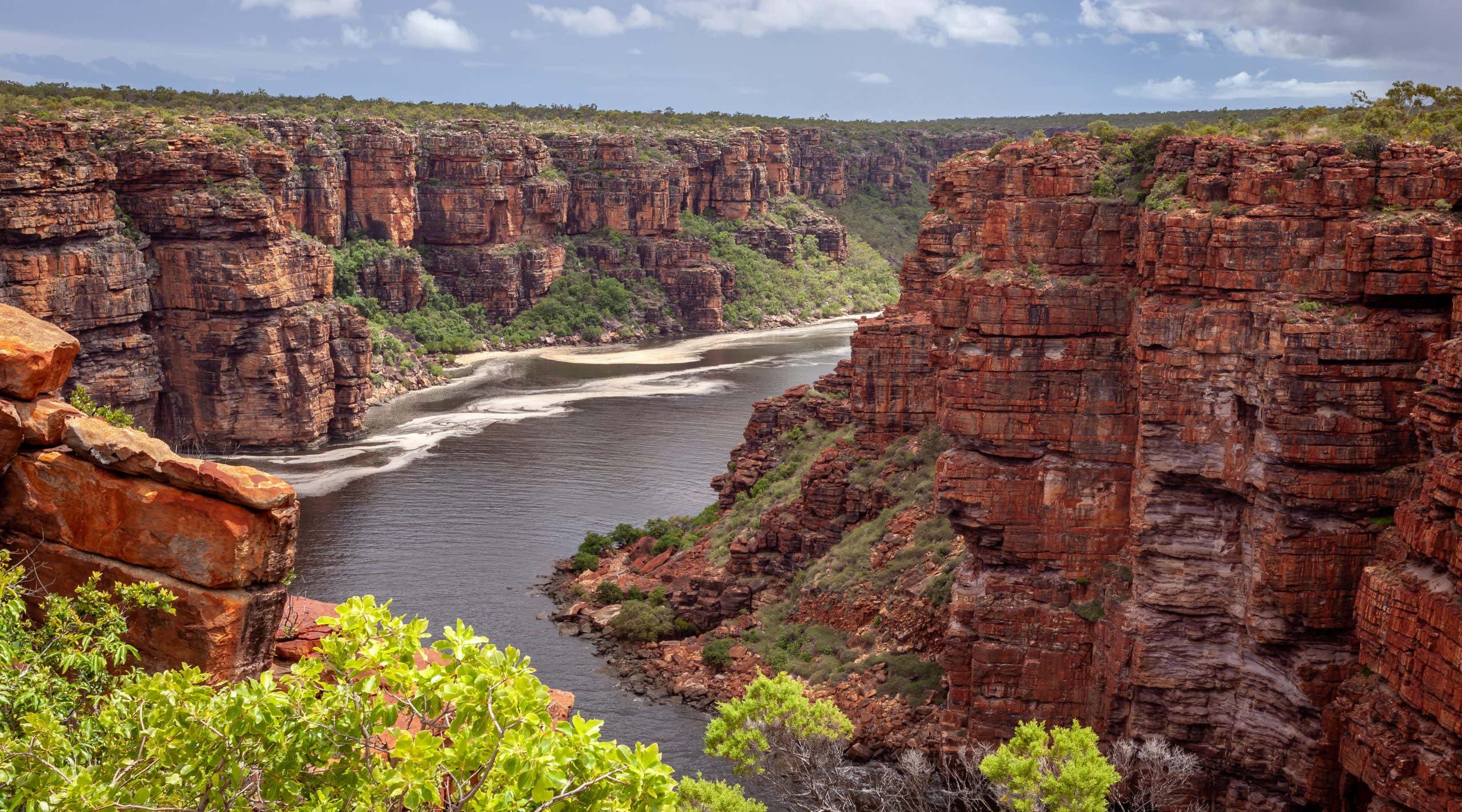
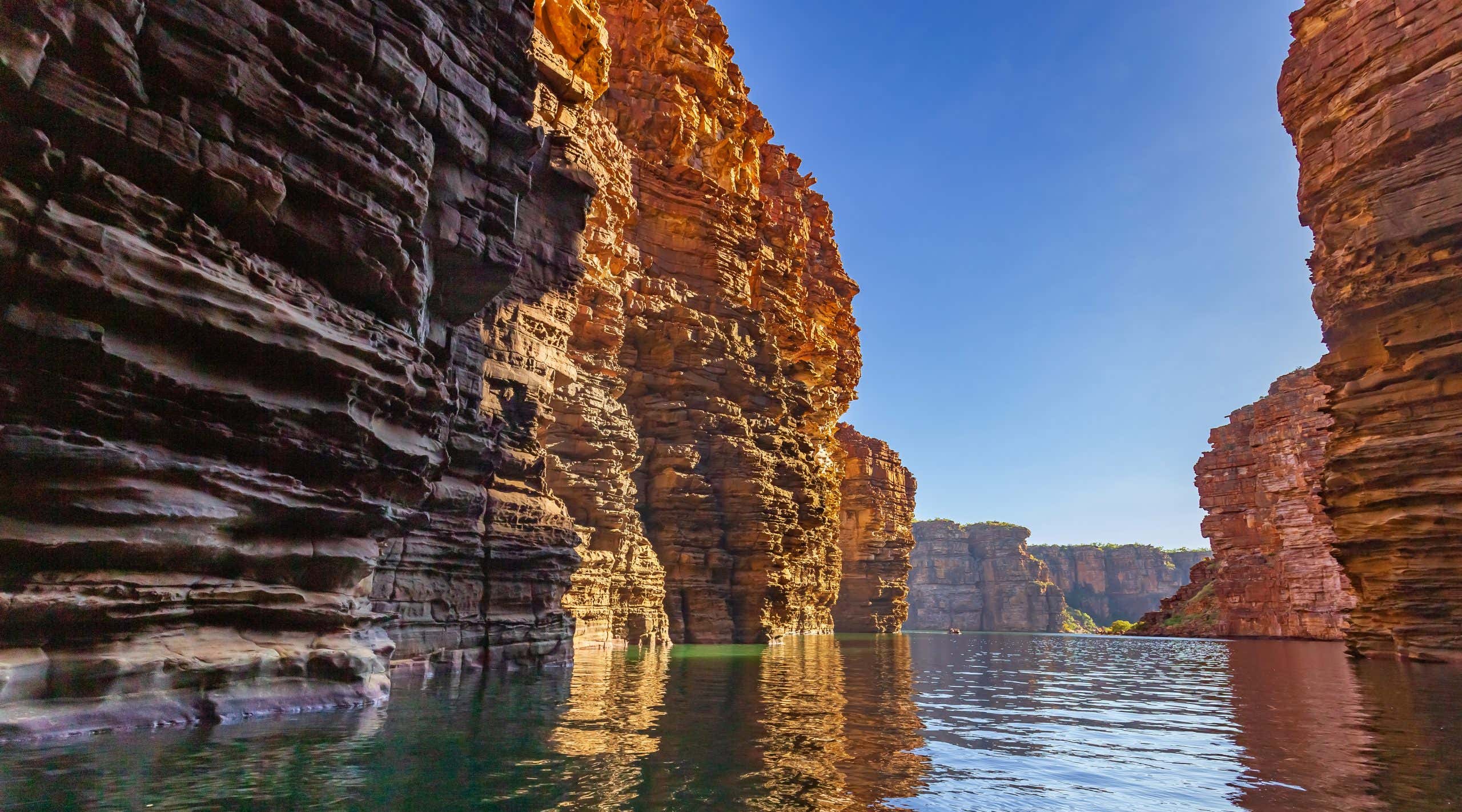
Cruise through steep-sided gorges carved by a river system that flooded this landscape 400 million years ago. These geological corridors lead to the awe-inspiring King George Falls, the tallest twin waterfalls in Western Australia, plunging 80 metres from the Gardner Plateau.
Midway through the waterfall season, you’ll witness the intricate honeycomb erosion patterns of the sandstone cliffs up close.
In the evening, enjoy the first of many expert talks from accompanying astronomer Martin Griffiths.
DAY 4: VANSITTART BAY AND JAR ISLAND
This morning, early risers can join Martin on deck for a pre-dawn peek at a rare pairing of a slender crescent moon and the Pleiades star cluster, the latter of which plays an important role in Aboriginal Australian sky lore. Venus and Mars will also be visible close by.
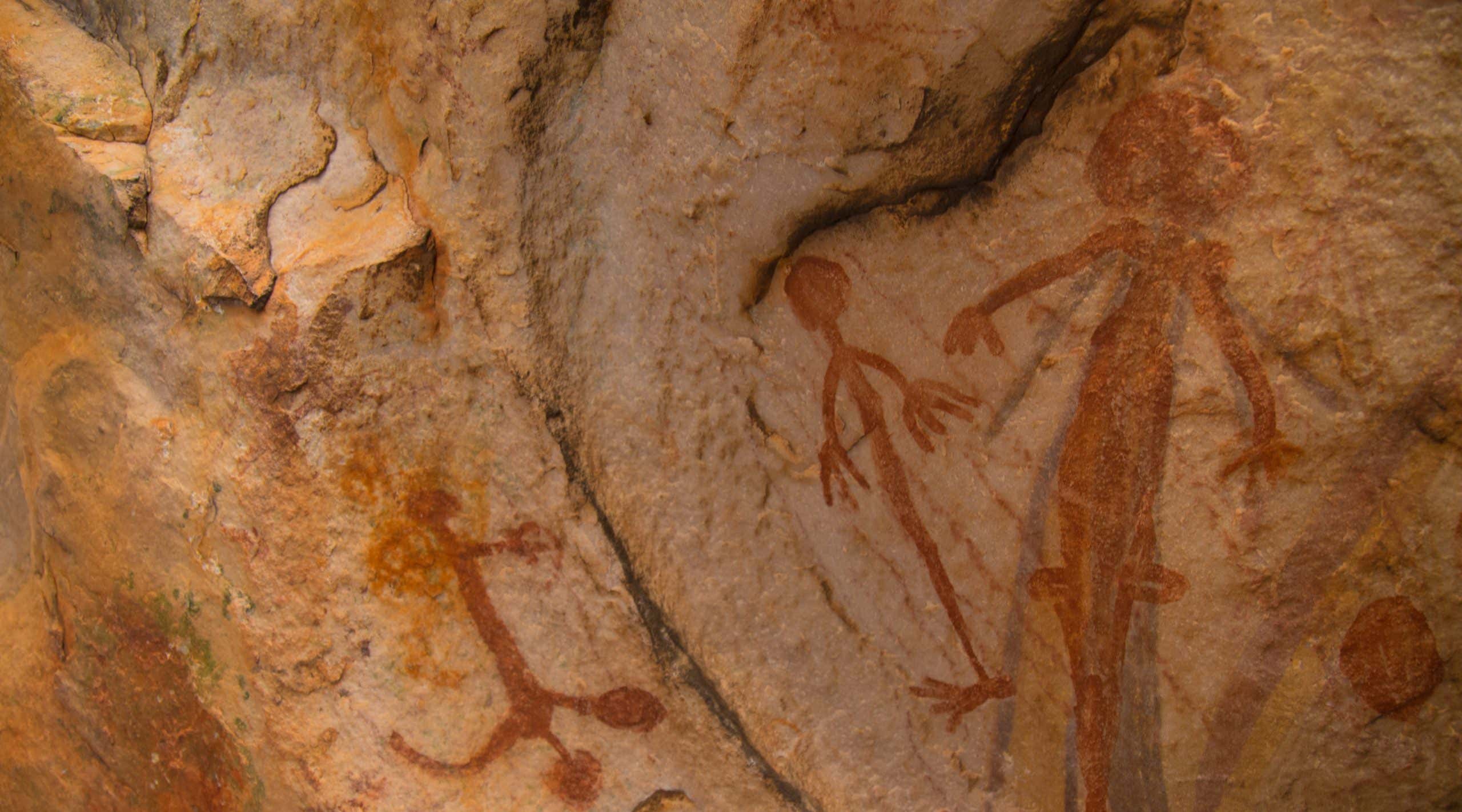
Step into deep time at Vansittart Bay, home to the Gwion Gwion (Bradshaw) rock art galleries, estimated to be up to 20,000 years old. These ancient artworks offer a glimpse into the spiritual and cultural life of Australia’s Indigenous peoples.
On Jar Island, discover pottery shards left by Makassan fishers, early visitors from Indonesia who came in search of sea cucumbers. Nearby, explore the wreckage of a world-war-two-era US Airforce C-53 Skytrooper, a haunting reminder of wartime history.
DAY 5: PRINCE FREDERICK HARBOUR AND POROSUS CREEK
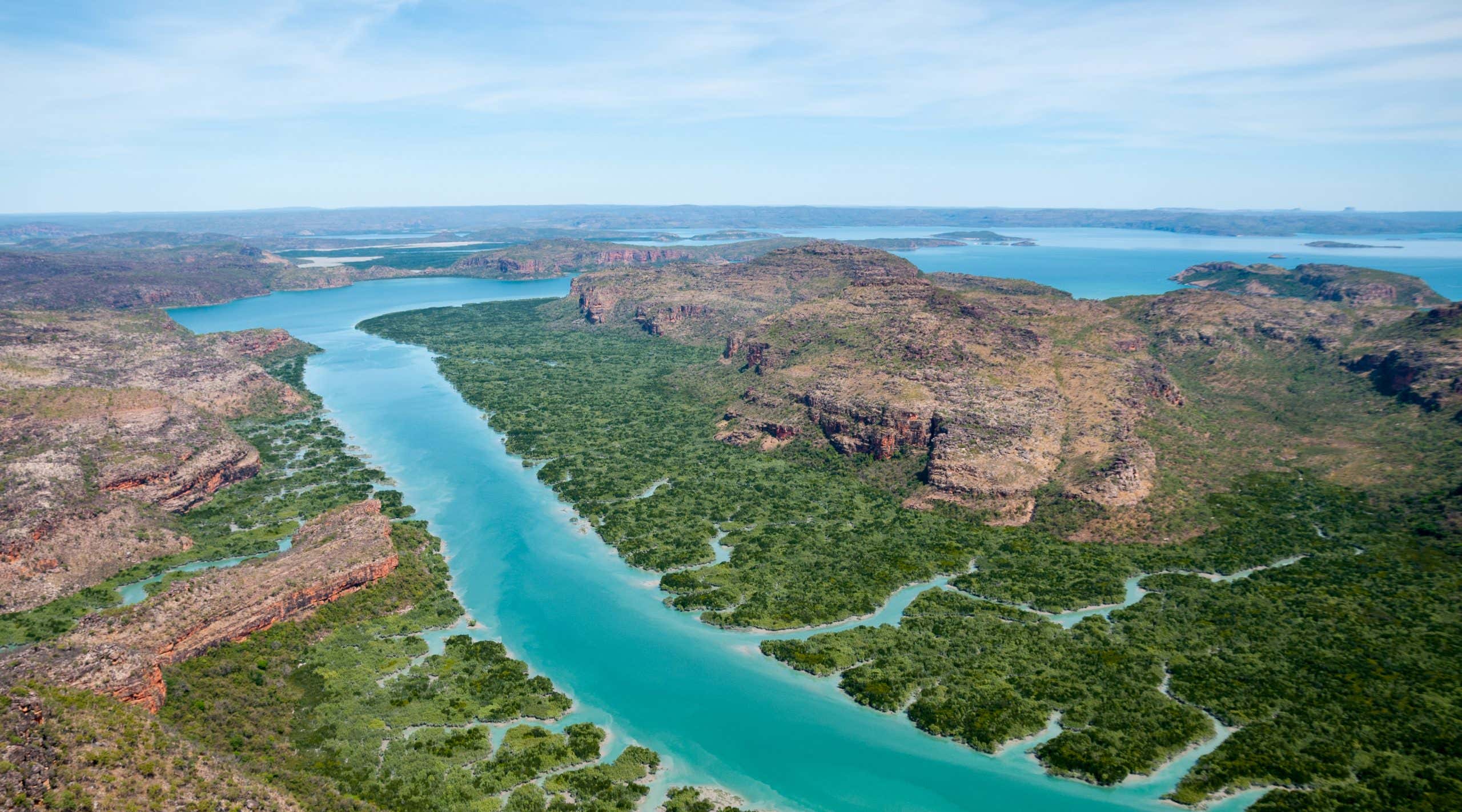
At the southern end of York Sound lies Prince Frederick Harbour, a stunning mosaic of islands, mangroves and monsoon rainforests framed by ochre escarpments. Cruise up Porosus Creek aboard the Xplorer tender to view striking rock formations and observe mudskippers, mangrove crabs and white-bellied sea eagles in their natural habitat.
DAY 6: PRINCE REGENT RIVER AND KING CASCADE FALLS
Martin will be on deck before breakfast to view Mars very close to a 6%-lit waning crescent moon — the final view of our natural satellite before it eclipses the sun in a few days.
Navigate the dead-straight Prince Regent River, a geological anomaly that follows a fault line through the Kimberley. At its end lies King Cascade Falls, a terraced waterfall tumbling over layers of sandstone, sprouting grasses, mosses and ferns in a lush hanging garden.
This is one of the most photographed sites in the region. The interplay of geology and botany here is simply breathtaking.
DAY 7: WINYALKAN ISLAND INCLUDING VIEWING THE ROCK ART
Cross the Scott Strait to Winyalkan Island, home to the Wunambal people and rich in Indigenous history. Walk among Wandjina ancient rock art, depicting ancestral spirits and stories of first contact.
In the evening, attend a pre-eclipse briefing with expert Martin Grifiths to prepare for tomorrow’s celestial event.
DAY 8: ECLIPSE VIEWING DAY ON BIGGE ISLAND
Today is the highlight of your journey: a total solar eclipse lasting over 5 minutes. After an early breakfast, you will travel to Bigge Island, a protected sanctuary for rare and endangered species, entirely free from wild predators. This unique environment provides a safe haven for wildlife, including the elusive northern quoll, the nocturnal scaly-tailed possum and the monjon, the tiniest member of the rock-wallaby family. Its rugged cliffs, rocky outcrops and pristine habitats make Bigge Island a remarkable place to observe these rare creatures in their natural environment, offering a rare glimpse into the Kimberley’s rich and fragile biodiversity.
First contact occurs just after 9:17 am with totality starting at 10:47 am at an altitude of 53 degrees looking north. The final contact ends just after at 12:23 pm, after which you will return to the ship for lunch, then a full debrief on this amazing experience with New Scientist’s experts. They will reflect on our experience and show you how it manifested elsewhere along the path of totality.

In the afternoon, there will be a psot-eclipse debrief where we will try to connect with our other eclipse groups in the Northern Territory and Kununurra, whose eclipse experience will be 2 hours behind yours.
DAY 9: MONTGOMERY REEF
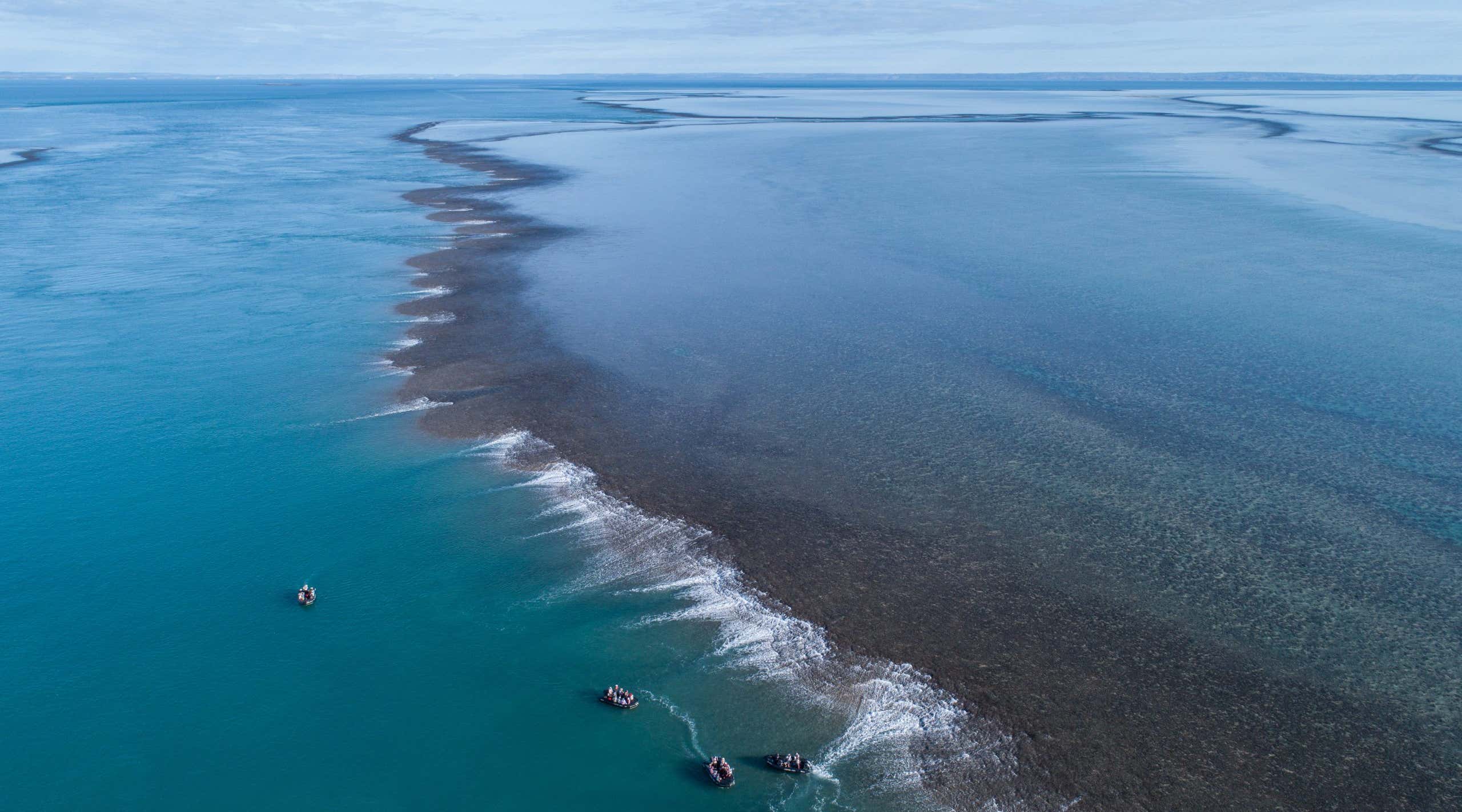
Twice daily, the dramatic 11-metre tides of the Kimberley unveil the hidden marvel of Montgomery Reef, one of the world’s most extraordinary tidal phenomena. This vast 300-square-kilometre marine ecosystem emerges from the sea, creating temporary waterfalls and exposing vibrant coral platforms teeming with marine life. As the reef slowly rises and falls with the tide, you can witness an ever-changing spectacle of wading birds, turtles and tropical fish, offering an unforgettable glimpse into the dynamic rhythms of this pristine and powerful environment.
Explore the reef by Zodiac and Xplorer as birds swoop in to feed and turtles, dugongs, dolphins and sawfish follow the retreating tide. The ocean swirls with eddies and whirlpools –then, hours later, the reef vanishes beneath the waves once more.
Just after sunset tonight, there will be a chance to spot a 2%-lit waxing crescent moon, fresh from eclipsing the sun a couple of days ago.
DAY 10: TALBOT BAY AND HORIZONTAL FALLS
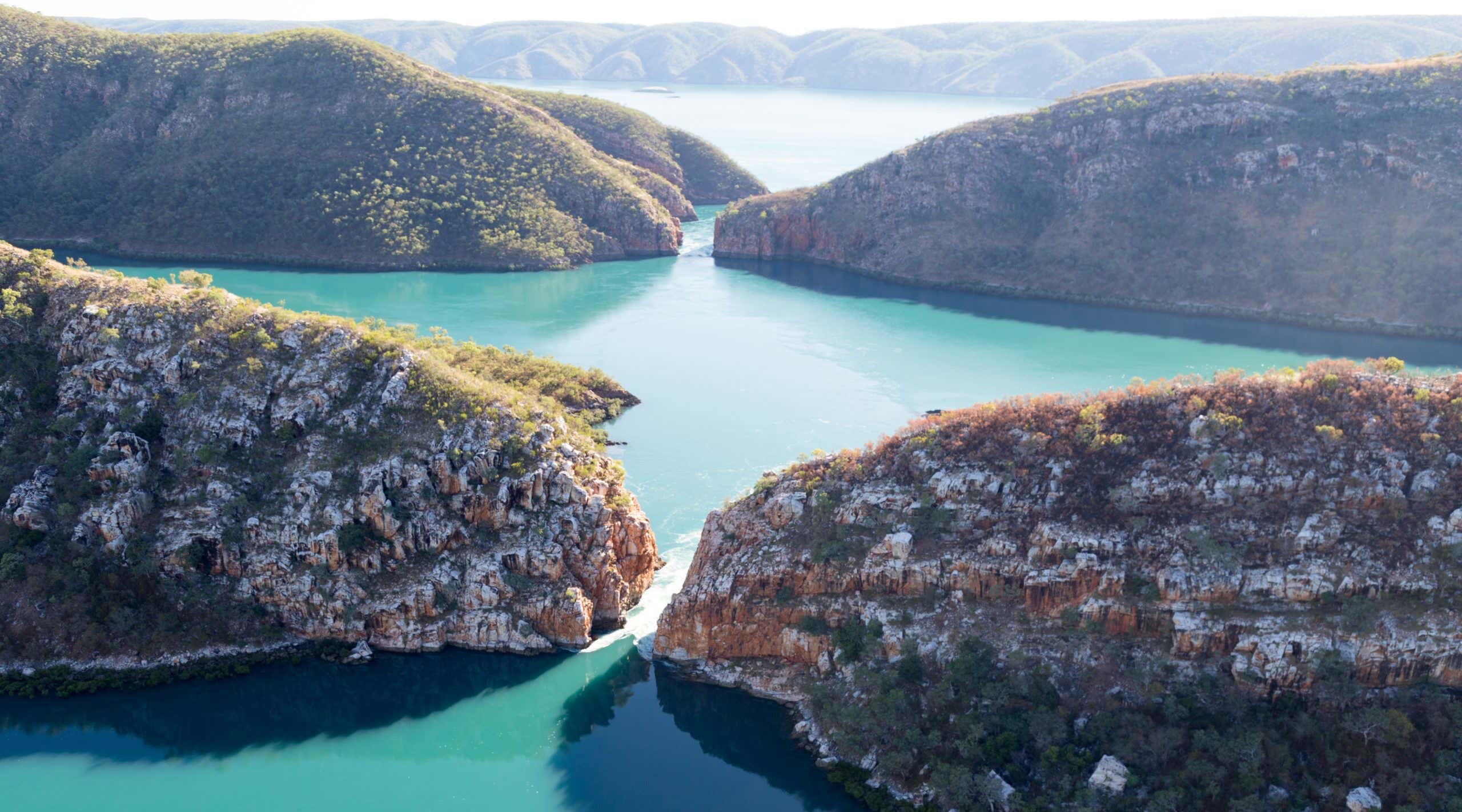
At Talbot Bay, experience the awe-inspiring Horizontal Falls, a natural phenomenon where tidal currents rush through twin narrow gorges in the McLarty range, creating a dramatic horizontal waterfall effect. As millions of litres of water surge back and forth with the tide, the gorges come alive with powerful, foaming rapids, making it one of the most unique tidal spectacles on Earth.
Ride a Zodiac through this natural marvel, surrounded by towering sandstone ridges and pristine waters. Keep watch for rock wallabies and sea eagles. This area, known as Lalang-garram, is sacred to the Dambimangari people, and the falls – Garaangaddim – are considered one of the world’s greatest natural wonders.
A 7%-lit waxing crescent moon will be visible just after sunset, close to bright star Regulus and the planet Jupiter.
DAY 11: EXPLORE THE LACEPEDE ISLANDS
The Lacepede Islands are a protected class-A nature reserve and a vital nesting ground for green turtles and seabirds, including brown boobies, roseate terns and frigate birds.
If conditions allow, explore the lagoons by Zodiac and soak in the serenity of this untouched ecosystem.
In the evening, gather for the captain’s farewell drinks, where you will look back at the incredible trip. Your final sundowner onboard comes with a post-sunset view of a 14%-lit waxing crescent moon close to Jupiter as you bid farewell to the Kimberley’s spectacular night sky.
DAY 12: DISEMBARK IN BROOME
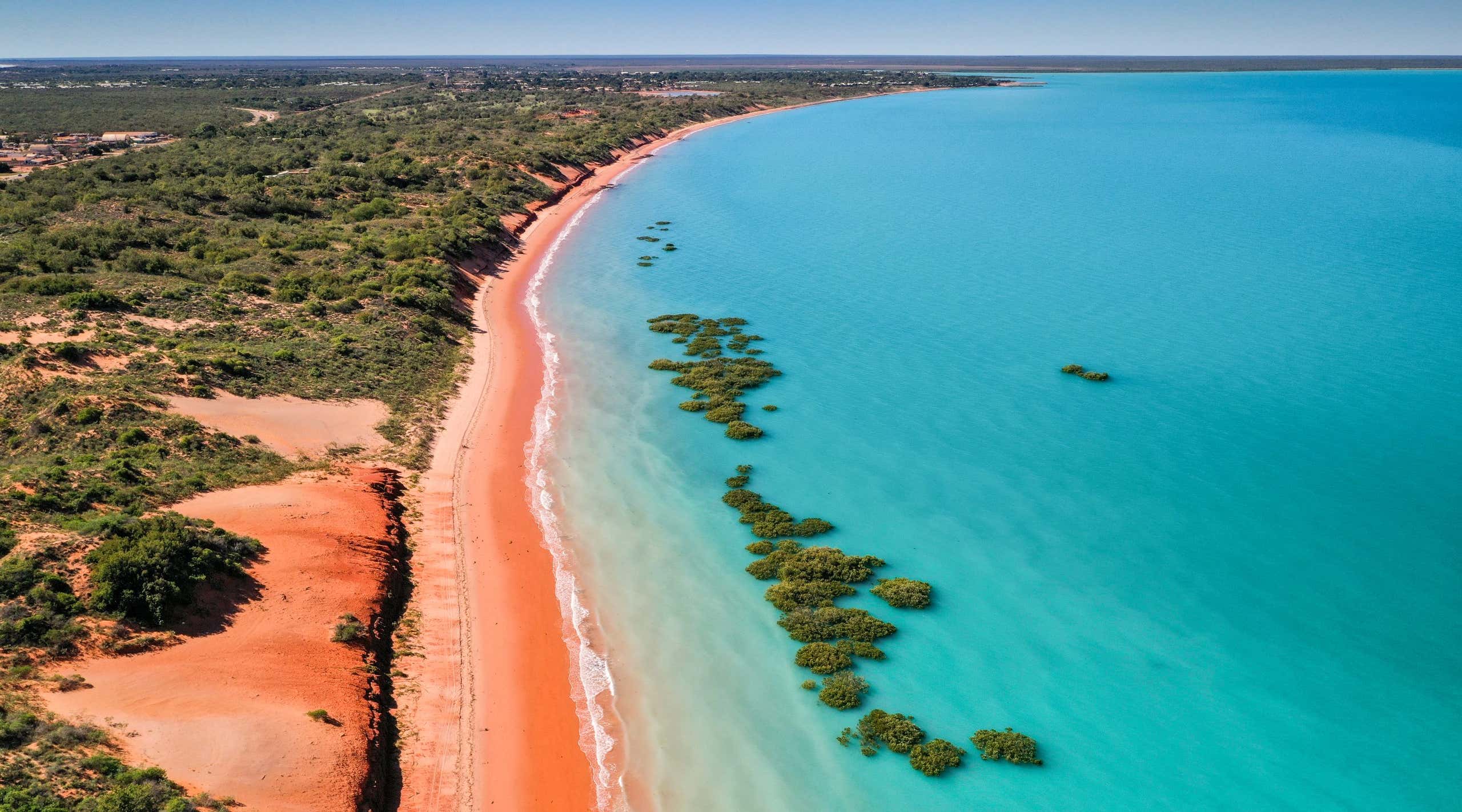
After breakfast, disembark in Broome, with transfers to the town centre or airport.
The journey doesn’t have to end here. New Scientist is arranging optional post-cruise extensions, including:
- A curated tour of Australia’s natural and cultural highlights
- An astronomy-focused journey through New South Wales, similar to: Astronomy and radio telescopes in New South Wales: Australia