Booking information
Contact an expert to discuss this cruise
April 2028 – 5 days
Register at tours@newscientist.com and we will contact you when confirmed details, including dates and prices, are available.
Explore Hawaii’s Big Island, where fire and stars meet in one of the world’s most remarkable natural laboratories. Discover the island’s volcanic landscapes and pristine night skies, as they set the stage for a science-filled adventure.
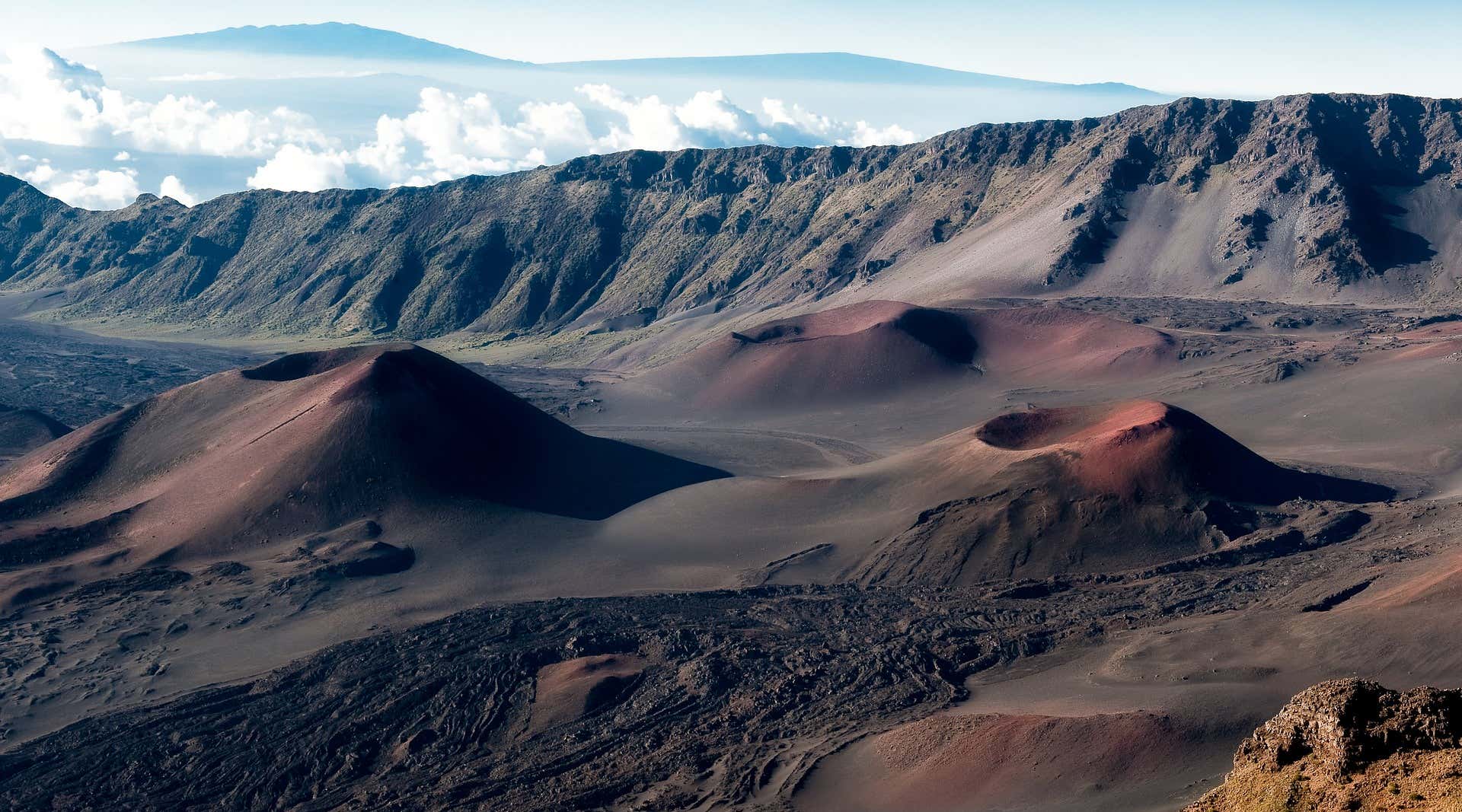
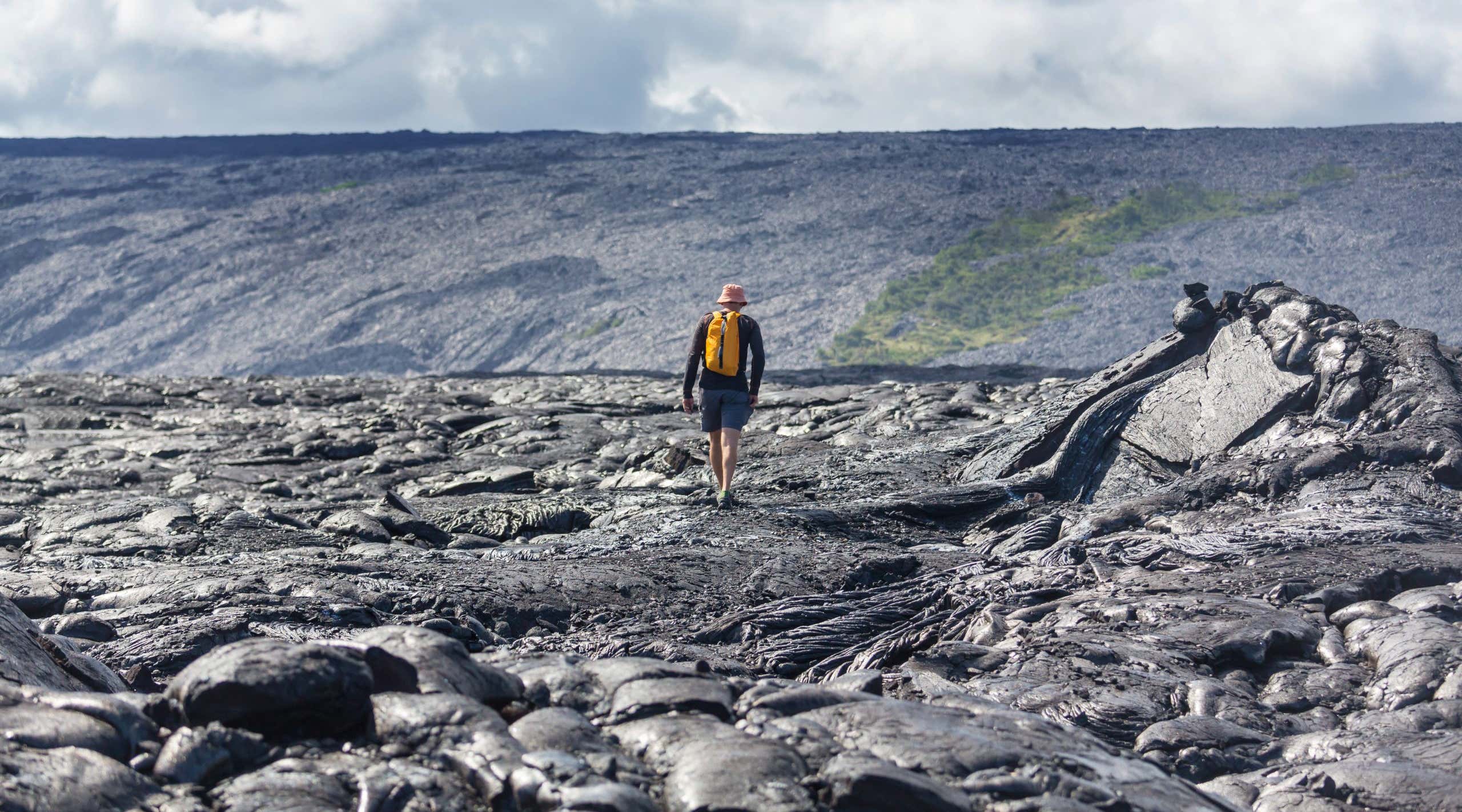
Step into the otherworldly landscapes of Hawai'i Volcanoes National Park, guided by expert geologists who bring the island’s fiery past to life. Walk across fresh lava fields, marvel at steaming vents and peer into vast volcanic craters, witnessing the raw power of Kilauea as it continues to shape the island. Learn how Mauna Loa, the world’s largest active volcano, and Kilauea together sculpt the Big Island’s dramatic terrain, while gaining fascinating insights into Earth’s dynamic processes and the forces that shape planets across the solar system.
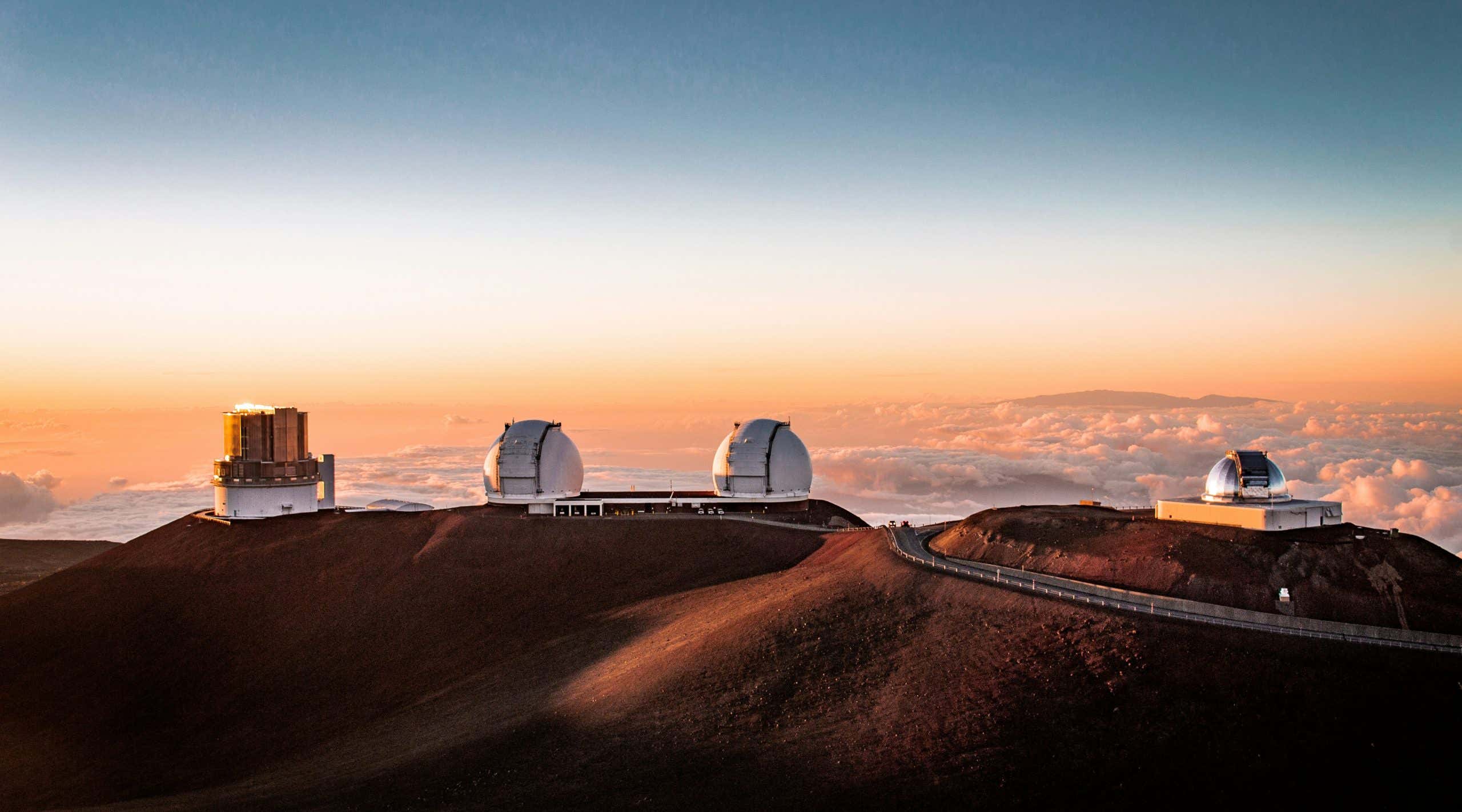
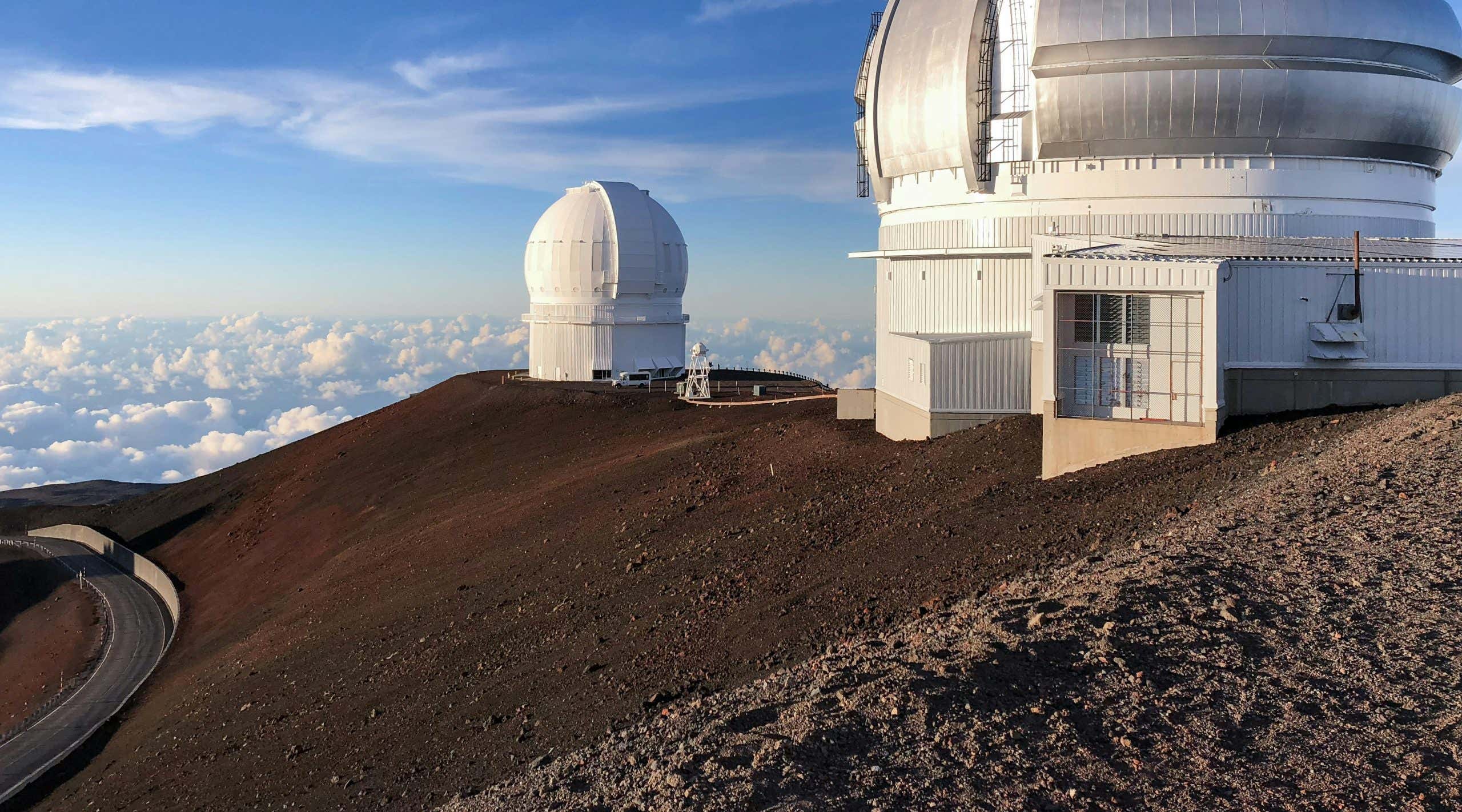
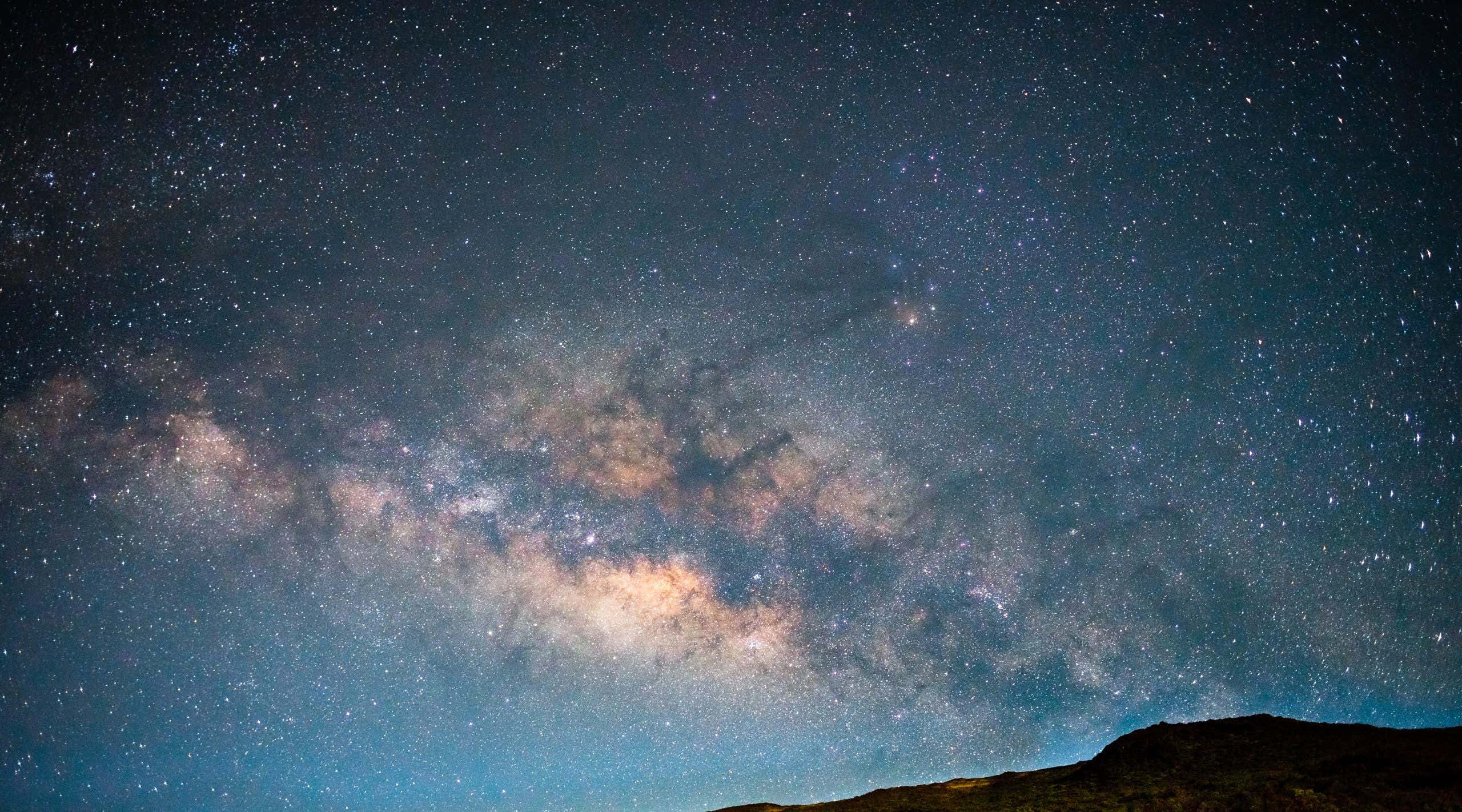
Venture to the heights of the Mauna Loa Observatory, where decades of atmospheric research have helped scientists track global carbon dioxide levels and study climate patterns. Then, ascend Mauna Kea to the visitor information station, exploring engaging exhibits that highlight both cutting-edge astronomy and the profound cultural significance of this sacred mountain. In Hilo, the Imiloa Astronomy Center weaves together traditional Hawaiian wayfinding with modern astrophysics, creating a bridge between ancient knowledge and contemporary science. As night falls, experience unforgettable stargazing under Hawaii’s pristine skies. Far from city lights, the constellations, planets and Milky Way will reveal themselves in breathtaking clarity, offering a truly cosmic perspective on our universe.
This short break is ideal for those who love exploring how the universe works – both on Earth and beyond. Learn from geologists and astronomers, and experience some of the world’s most advanced observatories. Gain firsthand insights into planetary geology, climate science and celestial phenomena, all while connecting with the rich cultural traditions that link Hawaii’s skies and land.
DAY 1: ARRIVAL IN KONA
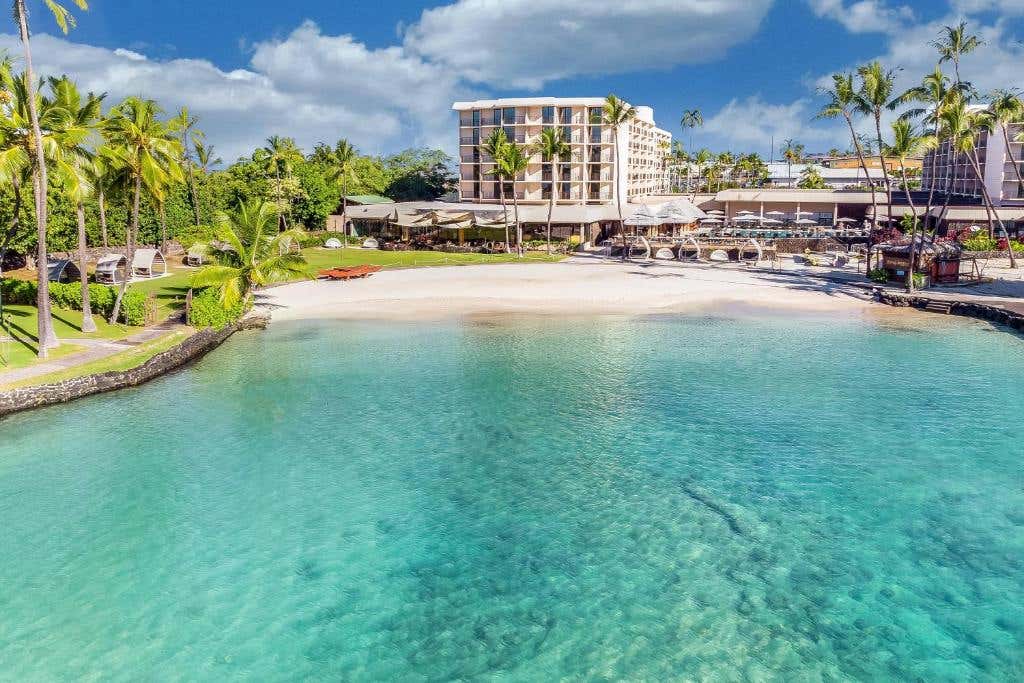
Welcome to Hawaii’s Big Island! On arrival at Kona International airport, you will be transferred to your hotel.
Hawaii’s Big Island is often called a "living laboratory" because it showcases some of the most dramatic scientific processes on Earth in real time. It is built from five massive shield volcanoes, including Mauna Loa, the largest active volcano on the planet, and Kilauea, one of the most active. The island’s fresh lava flows provide insight into planetary geology, offering analogues for the surfaces of Mars and the moon. Its high mountains also make it an unparalleled site for astronomy and stargazing. Mauna Kea’s summit hosts some of the world’s most advanced observatories, where astronomers explore the origins of galaxies, stars and planets.
In the evening, meet your local guide, New Scientist expert and the rest of the group for a welcome meeting followed by dinner. Afterwards, if the weather permits, enjoy a guided stargazing session.
DAY 2: HAWAI'I VOLCANOES NATIONAL PARK AND EVENING STARGAZING
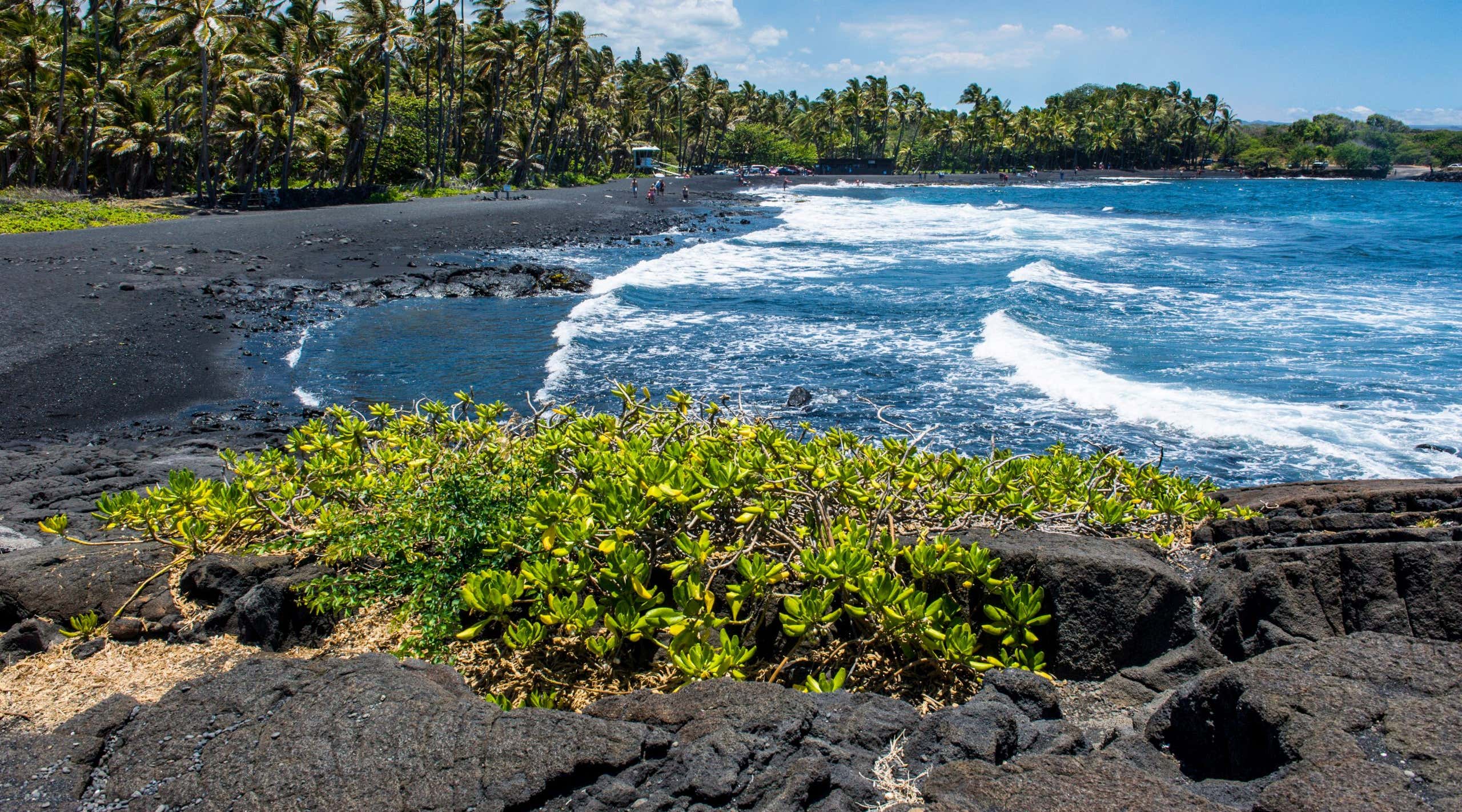
Today, travel to Hawai'i Volcanoes National Park, home to two of the world’s most remarkable volcanoes, Mauna Loa and Kilauea. It is a natural laboratory where you can witness active geological processes, from fresh lava flows and steaming vents to vast craters and ancient lava tubes. You will be met by local geologists, who will guide you across lava fields, explaining how molten rock cools into basalt and how rift zones create new land.
Afterwards, visit the Kilauea visitor centre, which highlights real-time monitoring of seismic activity, gas emissions and ground deformation that provide clues to volcanic behaviour.
In the evening (conditions permitting), witness the orange glow of lava against the night sky – an unforgettable demonstration of Earth’s inner forces at work.
DAY 3: MAUNA LOA OBSERVATORY, MAUNAKEA VISITOR INFORMATION STATION AND EVENING STARGAZING
Today you will drive to a viewing point near the Mauna Loa Observatory, an atmospheric monitoring facility perched on Mauna Loa’s upper slopes, at an elevation of about 3397 metres. The facility is operated by the US National Oceanic and Atmospheric Administration. It has been continuously measuring carbon dioxide and other atmospheric gases since 1958. While the observatory itself has limited public access, during the journey to the viewing point you will learn about the facility’s role.
Continue to the Maunakea Visitor Information Station, located about 2800 metres above sea level on the slopes of Mauna Kea. The station provides educational exhibits on astronomy, geology and the cultural significance of Mauna Kea to native Hawaiians. Learn about the unique volcanic geology of Mauna Kea, including cinder cones and glacial features at the summit.
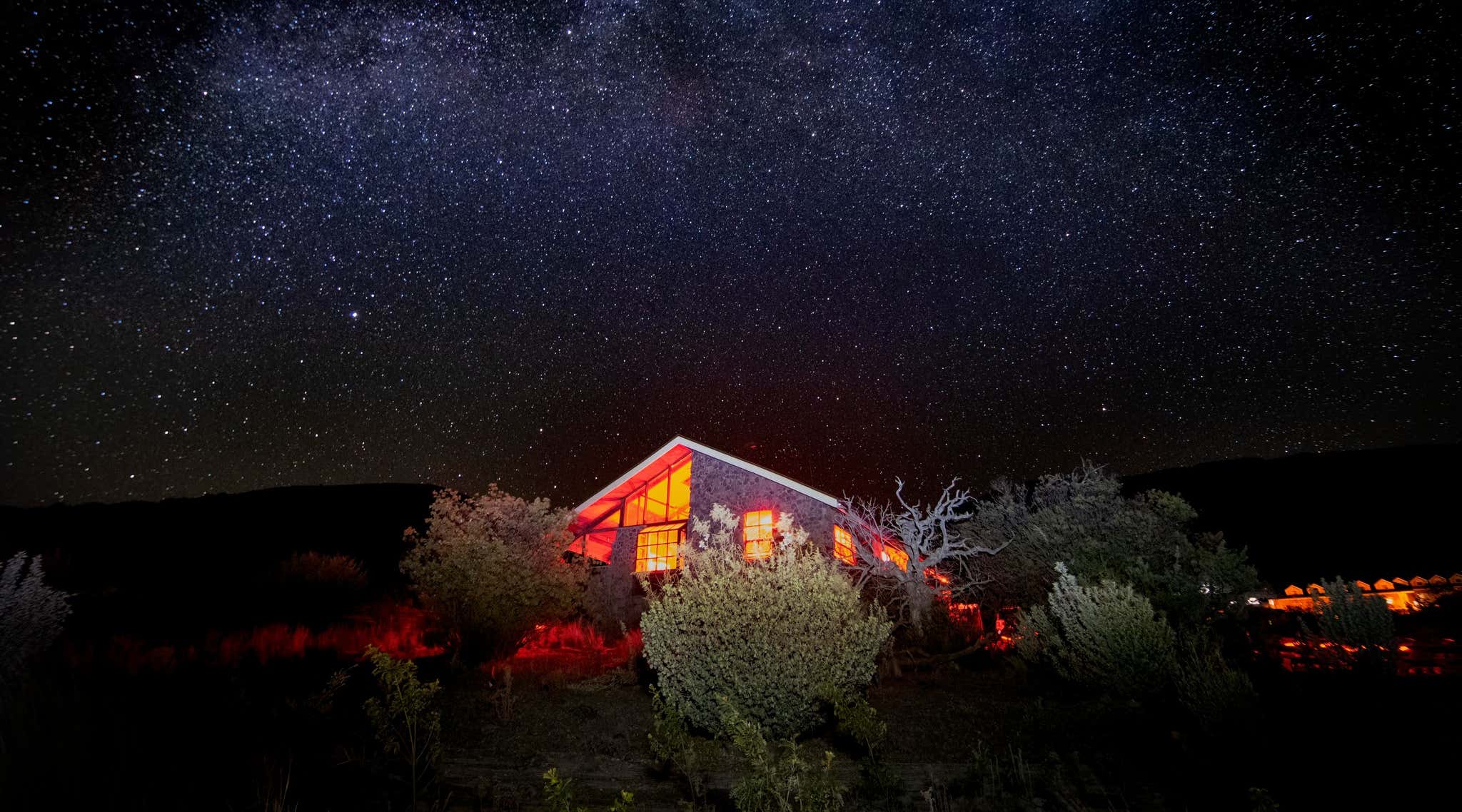
The evening continues with a stargazing session with telescopes, where the New Scientist expert will reveal galaxies, nebulae and planets in dazzling detail.
DAY 4: HILO AND THE IMILOA ASTRONOMY CENTRE
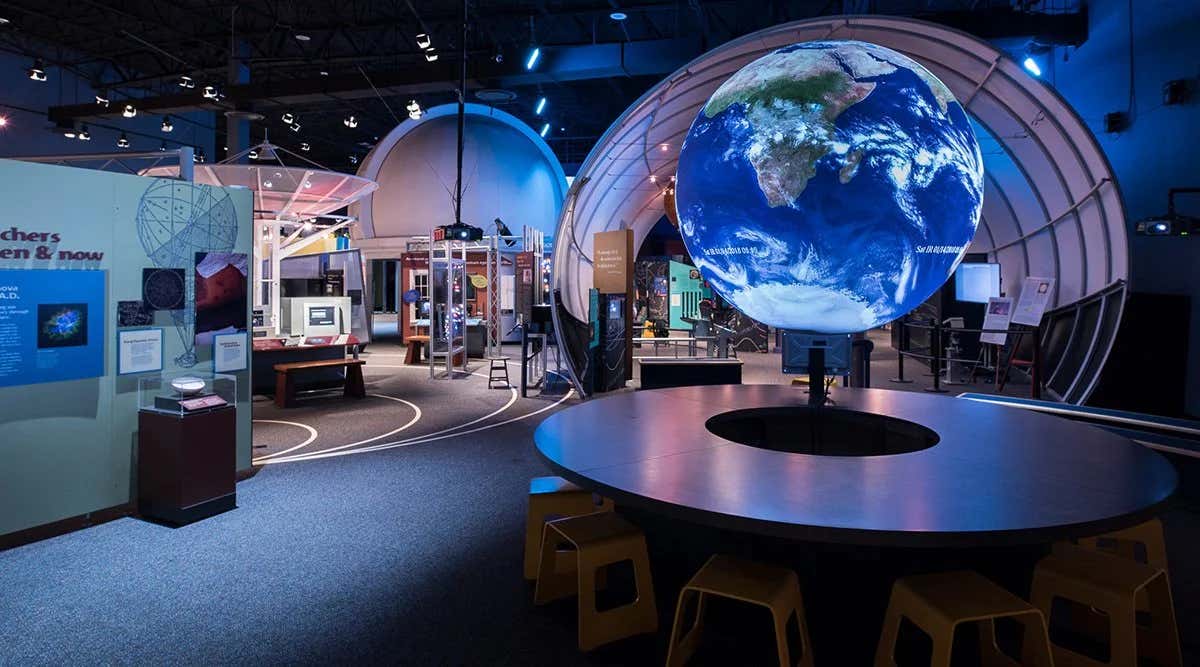
In the morning, travel to the Imiloa Astronomy Center in Hilo, where you will explore the interactive exhibits that connect Hawaiian traditions of wayfinding with modern astrophysics.
In the afternoon, enjoy free time to explore Hilo at your own pace.
This evening, enjoy a farewell meal with your group. Afterwards, gather beneath the open sky for a storytelling session. Learn about how Polynesian navigators read the stars, ocean swells, winds and wildlife to voyage great distances across the Pacific.
DAY 5: KONA DEPARTURE
Transfer to the airport for your onward travel.